Getting ready for the Washington State CNA Skills Test can feel like a big deal. It’s your chance to show you’ve got the practical skills needed to take care of patients safely. This guide breaks down what you need to know to feel confident and ready to pass.
Key Takeaways
- Practice makes perfect: Repeatedly practicing each skill is the best way to get ready for the washington state cna skills test.
- Know the steps: Focus on the critical steps for patient safety in each skill. Missing these can mean failing the skill.
- Understand how you’re graded: Learn about the scoring system and what evaluators look for.
- Use your resources: Study guides, checklists, and practice tests can help you identify what you need to work on.
- Stay calm on test day: Proper preparation will help you feel more confident and perform better during the demonstration.
Understanding the Washington State CNA Skills Test

So, you’re getting ready to take the Washington State CNA skills test? It’s a pretty big deal, honestly. This isn’t just some random quiz; it’s your chance to show that you can actually do the job safely and correctly. Think of it as the practical part of your certification, where you prove you’ve got the hands-on abilities needed every day in a healthcare setting. It’s different from the written exam, which tests what you know, because this one tests what you can do. The whole point is to make sure you can provide good, safe care for patients.
The Purpose of the Skills Examination
The main reason for this skills test is pretty straightforward: patient safety. The people who create these tests want to be sure that anyone calling themselves a Certified Nursing Assistant knows how to perform essential tasks without putting anyone at risk. It’s about making sure you’re ready for the real world of patient care, where mistakes can have serious consequences. This practical exam is a key part of the CNA certification exam, ensuring you’re prepared for the responsibilities ahead.
Key Components of the Test
When you sit down for the skills test, you’ll be asked to perform five different skills. These are picked randomly from a list of skills you’ve learned during your training. Don’t worry, though; they always include handwashing, because, well, it’s super important for stopping the spread of germs. They also usually include something called ‘indirect care,’ which is basically about how you interact with the patient, making sure they’re comfortable and safe, and communicating with them. It’s not just about the physical tasks; it’s about the whole patient experience.
Here’s a quick look at what you might encounter:
- Handwashing: A non-negotiable skill.
- Vital Signs: Taking temperature, pulse, respiration, and blood pressure.
- Patient Mobility: Helping a patient move safely.
- Personal Hygiene: Assisting with bathing, dressing, and grooming.
- Indirect Care: Communication, safety checks, and ensuring patient comfort.
How the Test is Administered
When you take the test, an evaluator will be watching you. They’ll have a checklist and will be marking off each step as you do it. They won’t talk to you or give you hints during the test – they just observe. You’ll have a set amount of time to complete all five skills, so managing your time is pretty important. It’s all about demonstrating your competence in a controlled environment, just like you would in a real patient’s room. You can find more details about the official state skills exam to get a clearer picture.
The entire process is designed to be fair and consistent for everyone. By following a standardized checklist, the evaluators can objectively assess your abilities. This ensures that all CNAs meet a certain level of proficiency before they are allowed to practice.
Mastering Essential CNA Skills
Alright, let’s talk about the actual stuff you’ll be doing as a CNA. The skills test isn’t just about memorizing steps; it’s about showing you can take care of people safely and with respect. Think of it as your first big test in proving you’ve got what it takes.
Critical Element Steps for Patient Safety
Patient safety is the absolute top priority, always. Every single skill you perform has steps designed to keep the person you’re caring for out of harm’s way. This means things like checking the environment before you even start, making sure beds are at the right height, and always, always identifying the patient correctly. You’ll see this woven into everything, from helping someone walk to giving them a bath.
Remember, a safe environment is a proactive one. It’s about anticipating what could go wrong and stopping it before it happens. This mindset is what separates a good CNA from a great one.
Commonly Tested Skills
The Washington State test pulls from a list of skills, and while they can’t test you on everything, some pop up more often than others. You’ll definitely need to be ready for:
- Vital Signs: Taking temperature, pulse, respiration, and blood pressure. Accuracy here is key.
- Patient Transfers: Safely moving someone from a bed to a chair, or vice versa, using proper body mechanics and equipment like gait belts.
- Personal Hygiene: Assisting with bathing, oral care, and dressing. This is where dignity and privacy are super important.
- Range of Motion Exercises: Helping patients move their joints to prevent stiffness.
- Feeding: Assisting patients who have trouble eating on their own.
The Importance of Handwashing and Indirect Care
Two things you’ll absolutely see on the test are handwashing and indirect care. Handwashing is non-negotiable; it’s the number one way to stop the spread of germs. You’ll need to do it before and after patient contact, and after touching anything potentially contaminated. Indirect care is a bit broader. It’s about everything else you do to make the patient comfortable and safe that isn’t a direct physical task. This includes things like:
- Checking on the patient regularly.
- Making sure their call light is within reach.
- Keeping their room tidy.
- Communicating with them and their family.
These might seem small, but they show you’re thinking about the whole person, not just the task at hand. Being observant and communicative is just as vital as knowing how to use a gait belt.
Strategies for Success on the Washington State CNA Skills Test
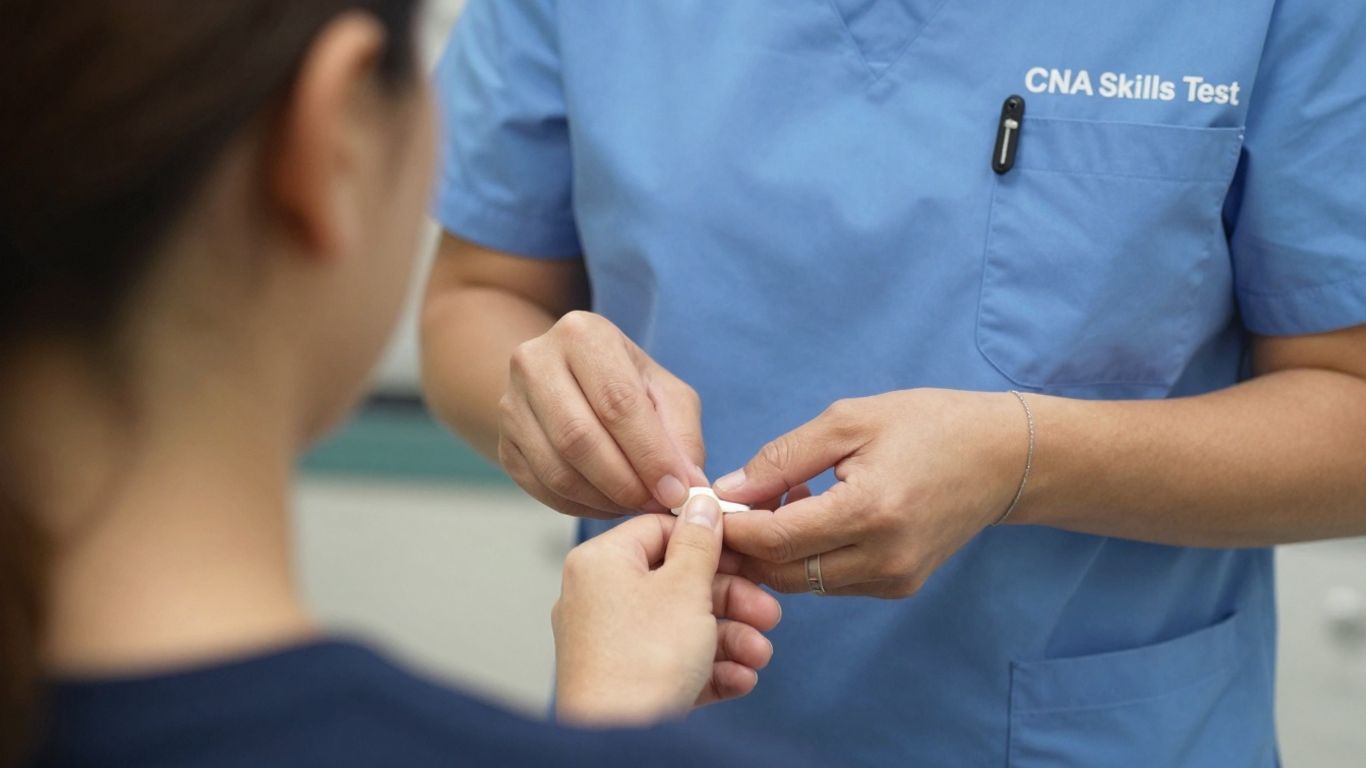
So, you’re gearing up for the Washington State CNA Skills Test. It can feel a bit daunting, right? It’s all about showing you can actually do the things you’ve learned, not just talk about them. The good news is, there are some solid ways to get ready and feel more confident when you walk in.
The Power of Hands-On Practice
Look, reading about how to change a bed or take vital signs is one thing, but actually doing it? That’s where the real learning happens. You’ve got to get your hands dirty, so to speak. Practice each skill over and over. Seriously, until it feels like second nature. Don’t just do it once or twice; aim for dozens of repetitions. This helps build muscle memory and makes sure you don’t miss any of those important steps when the pressure is on. Think about practicing with classmates, family members, or even just using a mannequin if you have access to one. The more you do it, the smoother it will become.
Utilizing Available Resources
Don’t try to reinvent the wheel here. There are tons of resources out there designed to help you ace this test. Your training program likely provided you with a skills checklist – that’s your roadmap. Use it religiously. Beyond that, look for instructional videos online that demonstrate the skills. Sometimes seeing it done visually can make all the difference. Many websites also offer practice tests and study guides. These can be super helpful for understanding what the evaluators are looking for and identifying any weak spots you might have. Make sure you’re checking out resources specific to Washington State if possible, as there can be slight variations.
Timed Practice for Effective Management
Okay, so you’ve practiced the skills, and you’re feeling pretty good. Now, let’s talk about time. The test isn’t just about doing the skills correctly; it’s also about doing them within a reasonable timeframe. You don’t want to get bogged down on one skill and run out of time for others. Start timing yourself as you practice. This is where using resources like CNA practice tests can be really beneficial. Initially, you might want to focus on accuracy without the clock. But as you get closer to your test date, simulate the actual exam conditions by timing your practice sessions. This helps you get a feel for the pace and learn how to move efficiently from one task to the next. It’s a skill in itself, and it’s definitely worth practicing.
Remember, the goal isn’t just to pass the test, but to be a competent and safe caregiver. Every step you practice, every resource you use, contributes to that larger objective. Focus on patient safety and dignity in every action you take.
Navigating the Washington State CNA Skills Test Grading
So, you’ve finished the skills demonstration part of your Washington State CNA test. Now what? It’s all about how you did on those skills, and the grading system is pretty straightforward, but you need to know how it works.
Understanding the Scoring System
Each skill you perform is broken down into specific steps. The evaluator watches you closely and checks off each step they see you do correctly. Think of it like a detailed checklist. Some steps are way more important than others because they directly relate to patient safety. These are called ‘critical element steps.’ If you miss one of these critical steps, it can mean you don’t pass that particular skill, no matter how well you did on the rest of it. Other steps might just lead to a point deduction if missed, but they won’t automatically fail you for the whole skill.
The Role of the Evaluator
The person watching you isn’t there to help you out or give you hints. Their job is to observe and record exactly what you do, following that standardized checklist. They can’t answer your questions during the test or offer feedback while you’re performing the skills. This keeps things fair for everyone taking the test. Once you’re done, they submit your performance record, and that’s what gets scored.
Passing Scores and State Variations
To pass the skills test, you generally need to get a satisfactory rating on all the skills you demonstrate. While the core idea is the same across the board, there might be slight differences in how states handle the exact passing percentages or specific requirements. It’s always a good idea to check the official guidelines for Washington State to know the precise score you need. Remember, getting a satisfactory rating on all skills, including those critical safety steps, is the goal. If you don’t pass, you can usually retake the test, but it’s best to check your state’s specific rules on nurse licensing and retakes.
It’s really about showing you can perform the tasks safely and correctly, every single time. The grading is designed to make sure you’re ready for real-world patient care.
Preparing for Your Washington State CNA Skills Test
Alright, so you’re getting ready for the Washington State CNA skills test. It’s the part where you actually show what you can do, not just what you know from a book. Think of it like a practical exam for real-life patient care. To do well, you really need to get comfortable with the steps for each skill. It’s not just about knowing them, it’s about doing them smoothly and safely.
Reviewing the Skills Checklist
First things first, you absolutely need to get your hands on the official skills checklist. This is your roadmap. It lists every single skill you might be asked to perform, broken down into specific steps. Don’t just glance at it; study it. Make sure you understand why each step is important, especially when it comes to keeping the patient safe and preventing infections. It’s like learning the lines for a play – you need to know them by heart.
- Patient Safety: Always the top priority. Look for steps related to checking the environment, locking brakes, and ensuring the patient is comfortable and secure.
- Infection Control: Handwashing is huge, but also look for steps involving gloves, clean linens, and proper disposal of waste.
- Communication: How you talk to the patient, explain what you’re doing, and check for their understanding is part of many skills.
- Privacy: Steps that involve covering the patient or closing curtains are often included.
Building Confidence Through Repetition
Knowing the steps is one thing, but being able to do them without fumbling is another. This is where practice comes in. You can’t just read about how to make a bed or help someone walk; you have to actually do it. Over and over. Find a friend, a family member, or even a mannequin if you can. The more you practice, the more natural it will feel.
Practicing each skill until it becomes second nature is the best way to build your confidence. When you’re not thinking about every single tiny step, you can focus more on the patient and less on the checklist. This calm approach will show during your test.
Identifying Areas for Improvement
As you practice, you’ll naturally find some skills are easier than others. That’s totally normal. The key is to be honest with yourself about where you need more work. Maybe you’re a bit slow with taking vital signs, or perhaps you forget a step when assisting with bathing. Make a list of these tricky skills and dedicate extra practice time to them. Don’t just practice what you’re good at; focus on what’s challenging.
| Skill Area | Your Confidence Level (1-5) | Notes for Practice |
|---|---|---|
| Vital Signs Measurement | Focus on correct cuff placement and reading | |
| Activities of Daily Living | Practice transfers and bed making | |
| Personal Hygiene Care | Pay attention to privacy and skin care steps | |
| Safety and Emergency | Review emergency call procedures and fall prevention | |
| Communication/Documentation | Practice explaining procedures and documenting accurately |
What to Expect on Test Day
So, you’ve practiced and prepped, and now it’s time for the big day – your Washington State CNA Skills Test. It’s totally normal to feel a bit nervous, but knowing what’s coming can really help ease those jitters. Think of it as showing off all the hard work you’ve put in.
Test Day Logistics
First things first, get your paperwork sorted. You’ll need to bring valid identification, like a driver’s license or state ID, and your Social Security card. It’s also a good idea to have two sharpened No. 2 pencils and an eraser handy, just in case. Some people like to bring a watch with a second hand to help with timing tasks, though it’s not always required. Make sure you know exactly where you need to be and when. Arriving a little early is always better than rushing.
- Valid Photo ID
- Social Security Card
- Two No. 2 pencils
- Eraser
- Watch with a second hand (optional)
Arriving early gives you time to find the testing room, use the restroom, and take a few deep breaths before the evaluation begins. This small buffer can make a big difference in your mindset.
During the Skills Demonstration
When it’s your turn, you’ll be in a room set up to look like a patient’s room. A friendly evaluator will be there to guide you, but they won’t give you hints or feedback during the test itself. You’ll be asked to perform five skills, and one of them will always be handwashing. The other four are randomly chosen from a list of potential skills. You’ll have about 30 minutes to complete all five. Remember, each skill has specific steps, and some are marked as ‘critical elements.’ Getting these right is super important for passing. Don’t forget to communicate with your ‘patient’ (who is often a volunteer or another student) and make sure they are comfortable and safe throughout the process. This is your chance to show you can provide good patient care.
Receiving Your Scores
Once you’re done with the skills demonstration, the evaluator will score your performance. You’ll usually find out if you passed or failed pretty quickly, often within a few hours after finishing the exam. You’ll typically get an email notification when your results are ready to view in your online account. The score report will show whether you got a ‘Satisfactory’ or ‘Unsatisfactory’ rating for each skill. To pass the skills portion, you need a ‘Satisfactory’ on all five skills. If you don’t pass, don’t worry too much; you can usually retake the test. Check your state’s specific rules on retakes, as there might be limits on how many times you can try.
You’ve Got This!
So, you’ve made it through the guide on mastering the Washington State CNA Skills Test. Remember, practice is really the name of the game here. Going over each skill again and again, maybe with a friend or even just in front of a mirror, can make a huge difference. Don’t forget to check out the official state guidelines too, just to be sure you’re not missing any small details. It might seem like a lot, but with steady effort, you’ll be ready to show what you know and start your career as a CNA. Good luck out there!
Frequently Asked Questions
How many skills will I need to show during the test?
You’ll usually have to show about five different skills. The test picks these randomly from a list. Don’t worry, handwashing and a skill called ‘indirect care’ (which is about making sure the patient is safe and comfy) are always part of it.
What are ‘critical element steps’?
These are super important steps in a skill that are a must-do for keeping the patient safe. If you miss one of these, you might not pass that skill, even if you did everything else right. Think of them as the most vital parts of the job.
What happens if I mess up a skill?
If you don’t pass one of the skills, you might not pass the whole test. But usually, you can take the skills test again. It’s good to check your state’s rules on how many times you can try again.
Can the person watching me during the test give me tips?
Nope, the person watching, called an evaluator, can’t help you or give you advice while you’re doing the skills. They just watch and write down how you do. They’ll give you your results after you’re all done.
How is the test scored?
Each skill is broken down into smaller steps, and the evaluator checks off if you did each one correctly. There’s a point system, and you need to get a certain score to pass. Doing all the ‘critical element steps’ right is super important.
What should I do to get ready for the test?
The best way to get ready is to practice, practice, practice! Go over the list of skills again and again. Try doing them with a timer to get used to the speed. Watching videos and using study guides can also help you feel more prepared and confident.