Thinking about a career in healthcare? A practical nursing diploma could be your ticket in. It’s a solid path that gets you working with patients sooner rather than later. You’ll learn a lot, get hands-on experience, and be ready to help people. This article breaks down what you need to know about getting your practical nursing diploma, from applying to what comes next.
Key Takeaways
- To get into a practical nursing program, you usually need to be 18 and have a high school diploma or GED. You’ll also need to pass an entrance exam and clear background checks.
- The practical nursing diploma program typically takes about 12 months of full-time study and covers a wide range of nursing skills, from basic care to pharmacology.
- After graduation, you’ll be eligible to take the NCLEX-PN exam to become a licensed practical nurse, opening doors to jobs in hospitals, nursing homes, and clinics.
- A practical nursing diploma can be a great starting point for further education, like becoming a Registered Nurse (RN) through an Associate’s or Bachelor’s degree program.
- Experienced LPNs can move into specialty areas with certifications or take on leadership roles like charge nurse, or even become educators to train new nurses.
Embarking on Your Practical Nursing Diploma Journey
So, you’re thinking about becoming a practical nurse? That’s awesome! It’s a career that really lets you help people, and getting your diploma is the first big step. This program is all about getting you ready for the real world of healthcare, not just with book smarts, but with actual hands-on skills. You’ll learn how to care for patients, understand their needs, and work as part of a healthcare team. It’s a challenging path, for sure, but incredibly rewarding.
Program Overview and Objectives
This program is designed to give you a solid foundation in nursing. The main goal is to train you to be a competent and compassionate practical nurse. You’ll learn to follow the rules and laws that govern nursing practice in Florida, making sure you always act professionally and ethically. We want you to be able to provide basic care, focusing on physical, social, and emotional needs for people of all ages. The program aims to prepare you to confidently administer care safely and efficiently in various healthcare settings. You’ll also develop the teamwork and communication skills needed to be a great nurse.
Curriculum Breakdown and Coursework
The coursework is pretty detailed, covering everything from the basics to more specialized areas. You’ll spend time in classrooms, labs, and clinical settings. Here’s a look at some of the subjects you’ll cover:
- Anatomy & Physiology I & II: Understanding how the human body works is key.
- Nursing Fundamentals I & II: This is where you learn the core skills of nursing care.
- Pharmacology: You’ll learn about medications and how to administer them safely.
- Medical-Surgical Nursing I & II: Covering care for adult patients with various conditions.
- Pediatric and Maternity Nursing: Learning to care for mothers, newborns, and children.
- Geriatric and Psychiatric Nursing: Focusing on the unique needs of older adults and those with mental health conditions.
There are also practical components like CPR and first aid, and you’ll get real experience through clinical rotations. The whole program is structured to build your knowledge step-by-step, with a total of 1350 clock hours. The program is typically completed in about 12 months if you’re studying full-time, which means you can get out there and start your career sooner. You can find more details about the Practical Nurse program structure online.
Essential Skills for Aspiring Nurses
Beyond the textbook knowledge, practical nursing requires a specific set of skills. You’ll need to be good at observing patients, noticing changes, and reporting them accurately. Strong communication is a must – you’ll be talking to patients, their families, and other healthcare professionals. Critical thinking helps you make good decisions, especially in fast-paced situations. And of course, a caring and empathetic attitude goes a long way. You’ll also need to be organized and able to manage your time effectively, especially when you’re juggling multiple patients. Being physically able to handle the demands of the job, like lifting and standing for long periods, is also important. It’s a blend of technical know-how and personal qualities that make a great nurse.
Admission Essentials for the Practical Nursing Diploma
Getting into a practical nursing program is the first big step toward your new career. It’s not just about wanting to help people, though that’s a huge part of it. The schools want to make sure you’re ready for the academic and practical demands of nursing. So, what do you actually need to get your foot in the door?
Age and Educational Prerequisites
Most programs require you to be at least 18 years old. You’ll also need to have completed high school or earned a GED. This is pretty standard across the board, as it shows you’ve met a basic level of education. Some programs might have specific high school courses they prefer you to have taken, like biology or math, but a diploma or GED is the main thing.
Application Process and Required Documentation
Applying usually involves a few key steps. You’ll fill out an application form, which might be online or a paper packet. You’ll need to provide proof of your age and education, like a birth certificate and your high school diploma or GED. Some schools also require you to take an entrance exam, often focused on basic math and reading comprehension, to gauge your readiness for the coursework. It’s a good idea to check with each school you’re interested in, as their specific requirements can vary.
Here’s a general idea of what to expect:
- Submit a completed application form.
- Provide official transcripts from high school or GED program.
- Take and pass an entrance examination (if required).
- Attend an informational session or interview.
Health and Background Screening Requirements
Because you’ll be working directly with patients, health and safety are top priorities. This means you’ll likely need to undergo a background check. This is to make sure you don’t have a criminal history that would prevent you from working in healthcare. You’ll also need to meet certain health requirements. This typically includes:
- Up-to-date immunizations: Proof of vaccinations like MMR, Hepatitis B, and the flu shot is common.
- Physical examination: A doctor needs to confirm you’re physically able to perform the duties of a nurse.
- Drug screening: A negative drug test is usually required before you can start clinical rotations.
These screenings aren’t meant to be hurdles; they’re in place to protect patients and ensure you’re prepared for the responsibilities that come with being a healthcare professional. It’s all part of making sure you’re ready to provide safe and effective care from day one.
Achieving Your Practical Nursing Diploma
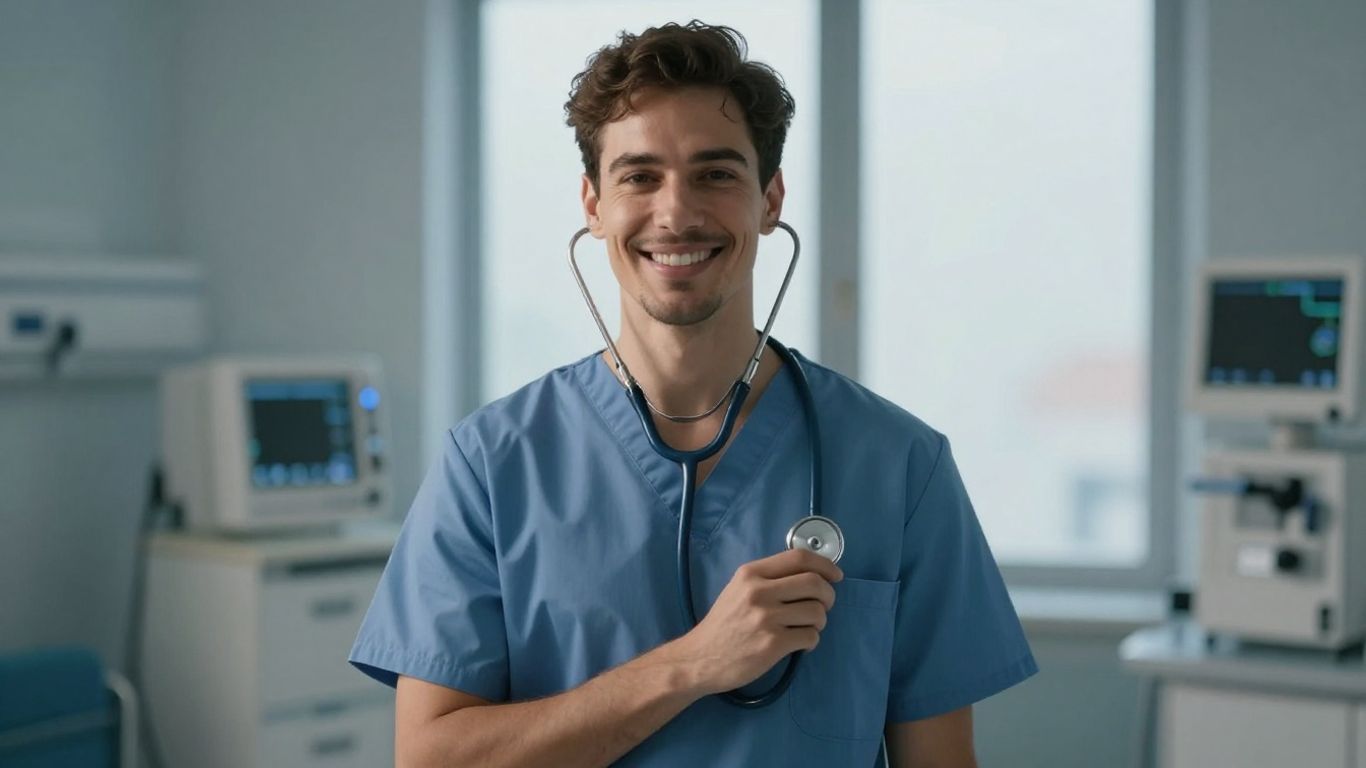
So, you’ve decided to go for that Practical Nursing diploma. That’s awesome! Now, let’s talk about what it actually takes to get there. It’s not just about showing up to class; it’s a structured path designed to get you ready for the real world of nursing. The program is built to give you both the book smarts and the hands-on skills you’ll need.
Program Length and Delivery Format
Most practical nursing programs are designed to be completed in about a year if you’re going full-time. Some might be a bit longer, depending on the school and how they structure their courses. You’ll usually find a mix of classroom learning and clinical practice. The classroom part covers all the theory – you know, the science stuff, patient care principles, and how to handle different situations. Then comes the clinical part, which is super important. This is where you get to practice what you’ve learned in actual healthcare settings, like hospitals or nursing homes, under the watchful eye of experienced nurses.
Here’s a general idea of how the hours might break down:
| Component | Approximate Hours |
|---|---|
| Classroom Instruction | 500 – 700 |
| Clinical Rotations | 600 – 800 |
| Labs/Skills Practice | 100 – 200 |
Accreditation and Licensure Standards
This is a big one. You want to make sure the program you choose is approved by the right people. In the US, this usually means getting approval from your state’s Board of Nursing. This approval means the school meets certain standards for nursing education. Why does this matter? Because without it, your diploma might not be worth much, and you definitely won’t be able to take the licensing exam. It’s all about making sure you’re getting a solid education that prepares you for safe patient care and meets the requirements to actually become a licensed practical nurse (LPN) in your state.
NCLEX-PN Preparation and Success Rates
Getting your diploma is one thing, but the real goal is passing the NCLEX-PN exam. This is the national licensing test that every aspiring LPN has to pass. Good programs will have specific ways they help you get ready for it. This often includes review courses, practice tests, and making sure the curriculum aligns with what’s on the exam. You’ll want to look at a school’s NCLEX-PN pass rates. High pass rates are a good sign that the program is doing a good job preparing its students. It shows that graduates are walking out ready to take on the licensing exam and start their careers.
The journey to becoming a licensed practical nurse involves dedicated study and hands-on practice. It’s about building a strong foundation in nursing knowledge and developing the skills needed to provide safe and effective patient care. Success on the NCLEX-PN exam is the ultimate goal, signifying your readiness to enter the profession and contribute to the healthcare team.
- Reviewing pharmacology and dosage calculations.
- Practicing critical thinking scenarios.
- Understanding patient assessment techniques.
- Learning about legal and ethical responsibilities in nursing.
Career Horizons After Earning Your Diploma

So, you’ve got your diploma in hand – congratulations! That’s a huge accomplishment. But what comes next? Well, the great thing about practical nursing is that it opens up a whole bunch of doors. You’re not just getting a piece of paper; you’re getting a ticket to a field that’s always looking for good people.
Diverse Healthcare Employment Settings
Think about all the places people go when they need care. That’s where you could end up! Hospitals are a big one, of course, but don’t stop there. Nursing homes and long-term care facilities are always in need of skilled nurses. Then there are rehab centers, helping people get back on their feet. Home health agencies are another option, letting you provide care in a patient’s own environment. You might also find yourself working in doctor’s offices, clinics, or even community health organizations.
Here’s a quick look at some common places you’ll find LPNs:
- Hospitals (various departments)
- Skilled Nursing Facilities
- Assisted Living Centers
- Rehabilitation Centers
- Home Health Agencies
- Physician’s Offices
- Community Health Clinics
Advancement Opportunities for Licensed Practical Nurses
Getting your diploma is just the start. Many LPNs use it as a springboard for more. You can go back to school to become a Registered Nurse (RN), which usually takes about two more years for an Associate’s Degree (ADN) or a bit longer for a Bachelor’s (BSN). An RN has a broader scope of practice and can take on more responsibility. Some nurses even pursue a Master’s Degree (MSN) to become Nurse Practitioners or work in specialized roles.
Beyond formal education, you can also move into leadership. Think about becoming a charge nurse, overseeing a unit, or a clinical supervisor. These roles involve more management and decision-making.
- Become a Registered Nurse (RN): Pursue an ADN or BSN. This is a very common next step.
- Specialty Certifications: Get certified in areas like geriatrics, pediatrics, or critical care. This shows you’ve got extra skills.
- Clinical Leadership: Move into roles like charge nurse or supervisor.
The healthcare field is constantly evolving, and with it, the roles and responsibilities of nurses. Staying current and seeking out opportunities for growth will serve you well throughout your career.
Leveraging Your Diploma for Further Education
Your practical nursing diploma is a solid foundation. It gives you real-world experience and a clear understanding of patient care. This makes it easier to transition into higher education programs. Many schools offer "bridge programs" specifically designed for LPNs looking to become RNs. These programs often recognize the credits and experience you’ve already gained, potentially shortening the time it takes to earn your next degree. It’s a smart way to build on what you’ve learned and open up even more career possibilities.
Specialization and Growth in Practical Nursing
Pursuing Specialty Certifications
So, you’ve got your diploma and you’re ready to hit the ground running as a Licensed Practical Nurse (LPN). That’s fantastic! But the journey doesn’t have to stop there. Many LPNs find that specializing in a particular area of nursing can really open up new doors and make their work even more rewarding. Think about it – instead of general care, you could focus on something you’re really passionate about, like working with kids or older adults. Getting a specialty certification is a great way to show employers you’ve got extra skills in a specific field. It’s like getting a special badge that says, ‘I know this stuff really well.’
Here are a few popular areas LPNs often specialize in:
- Pediatric Nursing: Caring for infants, children, and adolescents.
- Geriatric Nursing: Focusing on the health needs of older adults.
- Critical Care Nursing: Working with patients who are seriously ill or injured.
- Wound Care: Specializing in the assessment and treatment of wounds.
- Mental Health Nursing: Providing care for individuals with mental health conditions.
These certifications usually involve some extra coursework or supervised experience, and then passing a specific exam. It might sound like a lot, but it can make you a more sought-after candidate and allow you to take on more complex patient cases.
Transitioning to Clinical Leadership Roles
Once you’ve got some solid experience under your belt as an LPN, you might start feeling ready for a bit more responsibility. That’s where clinical leadership roles come in. These positions often involve guiding a team of nurses, managing daily operations on a unit, or overseeing specific patient care projects. It’s a natural progression for many experienced LPNs who have developed strong organizational skills and a knack for problem-solving.
Think about roles like:
- Charge Nurse: You’d be the go-to person on a shift, coordinating patient assignments and helping other nurses.
- Clinical Supervisor: This role might involve more direct oversight of staff, performance reviews, and ensuring quality care standards are met.
- Team Leader: You could lead a specific nursing team or unit, focusing on workflow and patient outcomes.
These roles require good communication, the ability to make quick decisions, and a solid understanding of nursing protocols. They offer a chance to influence patient care on a larger scale and mentor newer nurses, which can be incredibly fulfilling.
Moving into leadership means you’re not just providing direct patient care anymore; you’re also helping to shape the environment where care is given. It’s about problem-solving, resource management, and ensuring everyone on the team is working effectively towards the best patient outcomes. It’s a step up that requires a different set of skills, but it’s definitely achievable for dedicated LPNs.
Mentoring Future Generations of Nurses
There’s something really special about sharing your knowledge and experience with the next wave of nurses. As an experienced LPN, you have a wealth of practical wisdom that can’t always be found in textbooks. You’ve seen a lot, handled challenging situations, and learned firsthand what it takes to be a great nurse. Mentoring is your chance to pass that on.
This could take a few forms:
- Precepting Students: Working with nursing students during their clinical rotations, guiding them through real patient care scenarios.
- New Nurse Orientation: Helping new LPNs or even RNs get acquainted with your facility’s policies and procedures.
- Informal Guidance: Simply being available to answer questions and offer advice to colleagues who are newer to the profession.
Being a mentor is about more than just teaching skills; it’s about demonstrating professionalism, compassion, and resilience. It’s a way to give back to the profession and help ensure that high standards of care continue for years to come. Plus, it’s a great way to keep your own skills sharp and stay connected to the evolving practice of nursing.
Your Nursing Journey Starts Now
So, you’ve read about what it takes to become a practical nurse. It’s a path that requires dedication, sure, but the rewards are pretty big. You’ll gain skills that matter, get to help people every day, and have a job that’s always in demand. Think about it – a career where you can make a real difference. If you’re ready to take that step, our program is here to guide you. We’ve got the training, the support, and the connections to help you get licensed and start working. Don’t wait too long, though; these spots fill up fast. Your future in nursing is closer than you think.
Frequently Asked Questions
What do I need to get into the Practical Nursing program?
To start, you need to be at least 18 years old and have finished high school or earned your GED. You’ll also meet with the Nursing Program Director, fill out an application, and do well on an entrance test called the HESI, aiming for at least a 75%. Plus, you’ll need to pass a background check and a drug test, and make sure all your shots and health checks are up to date.
How long does the program take and what’s the schedule like?
The full-time program lasts about 12 months, covering 1350 hours of learning. Classes are held in person, Monday through Wednesday, from 8:30 AM to 4:30 PM. This way, you get a solid, traditional learning experience.
What kind of skills will I learn in this program?
You’ll learn a lot, from how to give medicines and understand how the body works (anatomy and physiology) to keeping things clean and safe to prevent sickness. You’ll also learn how to care for all sorts of patients, handle emergencies, and understand the rules and ethics of nursing.
What happens after I graduate? Can I work right away?
Yes! Once you finish and earn your diploma, you’ll be ready to take the NCLEX-PN exam to become a licensed practical nurse. This license opens doors to many jobs in places like hospitals, nursing homes, doctor’s offices, and even in people’s homes. Many graduates also use this as a stepping stone to become a Registered Nurse.
Does the program have official approval?
Absolutely. Our Practical Nursing Program is fully approved by the Florida Board of Nursing and licensed by the Florida Department of Education. This means you’re getting an education that meets top standards, preparing you well for the NCLEX-PN exam and your nursing career.
Can I specialize or move up in my nursing career after getting my diploma?
Definitely! After becoming a licensed practical nurse, you can get special certifications in areas like caring for older adults or children. You can also move into leadership roles, like being a charge nurse. Many LPNs also go back to school for an Associate’s or Bachelor’s degree to become Registered Nurses (RNs) or even Nurse Practitioners.