So, you’re thinking about a career in medical technology? It’s a field that’s really growing, and getting certified is a big part of making sure you’re ready. This guide is here to break down why med tech certification matters, who offers it, what skills you’ll need, and how to keep your career moving forward. We’ll also touch on the education and hands-on experience that go along with it. Let’s get started.
Key Takeaways
- Getting a med tech certification is a must-have for anyone wanting to work as a medical technician, showing employers you have the right skills.
- Organizations like ASCP and AMT offer respected certifications that prove your knowledge and commitment to the field.
- Beyond technical skills, employers look for problem-solving abilities and data understanding in medical technicians.
- Continuing education and specialized training are important for staying current in the fast-changing medical technology world.
- Combining formal education, certifications, and practical experience like internships is the best way to build a strong career in medical technology.
Understanding the Importance of Med Tech Certification

Why Certification is Non-Negotiable for Aspiring Medical Technicians
So, you’re thinking about a career in medical technology? That’s great! It’s a field that’s always in demand and really makes a difference. But here’s the thing: just having a degree or finishing a training program isn’t always enough. Certification acts as your professional stamp of approval. It tells potential employers that you’ve met a certain standard and know your stuff. Many hospitals and labs won’t even consider you without it. It’s like getting your driver’s license; you can’t really drive legally without it, and in this field, certification is your ticket to getting hired and practicing safely. It shows you’ve passed a rigorous exam and are ready to handle the responsibilities that come with the job.
The Combined Advantage: Certification Meets Licensure
It’s important to know that certification and licensure are two different things, but they work together. Think of certification as proving your skills to the industry, while licensure is your legal permission to work in a specific state. Getting both really opens up your options and makes you a more attractive candidate. Some states might require you to be licensed, and often, having a certification is a big part of getting that license. It’s a two-pronged approach to getting your career off the ground. For those looking to prepare for these crucial steps, programs like those offered by Beacon Hill Career Training can provide the foundational skills and targeted healthcare training necessary to meet the demanding requirements for both medical laboratory technician certification and state licensure, helping you become a medical technician ready for today’s challenges.
Why a Medical Technician Career is a Smart Choice for Your Future
Let’s be honest, choosing a career path is a big deal. You want something stable, something that offers growth, and something that feels meaningful. A career in medical technology ticks a lot of those boxes. The healthcare industry is always growing, and skilled technicians are needed everywhere, from big hospitals to small clinics. Plus, the technology in this field is constantly changing, which means there are always opportunities to learn new things and advance. You can start as a technician and eventually move into roles with more responsibility, like supervision or even management. It’s a field where you can build a long and rewarding career.
The medical technology field is not static; it’s a dynamic environment where continuous learning is key. Staying updated with the latest diagnostic tools and techniques is not just beneficial, it’s necessary for career longevity and professional satisfaction.
Key Organizations for Med Tech Certification
So, you’re looking to get certified as a medical technician? That’s a smart move. It’s not just about having a degree; it’s about proving you know your stuff to potential employers. Think of it like getting a seal of approval for your skills. When it comes to getting that seal, a couple of big names in the industry come up again and again: the American Society for Clinical Pathology (ASCP) and American Medical Technologists (AMT).
ASCP Certification: A Comprehensive Overview
The ASCP Board of Certification (BOC) is a really well-known and respected organization. They offer a bunch of different certifications for folks working in labs, including the Medical Laboratory Technician (MLT) credential. Their exams are pretty thorough, covering a wide range of topics like blood analysis, identifying germs, chemical tests, and blood banking. Passing one of these exams shows you’ve got a solid grasp of the science behind medical lab work. It’s a big deal for getting your foot in the door at many hospitals and clinics. If you’re serious about a career in medical lab science, looking into ASCP certification is a must.
AMT Certification: Demonstrating Professional Growth
Then there’s American Medical Technologists (AMT). They also have certifications that are highly regarded. Getting an AMT certification is a clear signal that you’re committed to doing good work and want to keep growing in your career. The process usually involves meeting certain requirements, passing a tough exam, and then keeping up with your education to maintain your certification. It’s a way to show you’re not just resting on your laurels but actively staying current in the field. Many people find that having an AMT certification opens up more doors and can lead to better job opportunities.
Leading Certification Bodies for Medical Technicians
Choosing which certification to pursue can feel like a lot, but these two organizations are generally the go-to for medical technicians. They set the standards that many employers look for. Here’s a quick look at what they generally require:
- Eligibility: You’ll need to meet specific education and experience criteria. This might include having a certain degree or completing a recognized training program.
- Examination: A rigorous exam that tests your knowledge and practical skills. This is the main hurdle.
- Continuing Education: Once certified, you’ll typically need to complete ongoing education to keep your certification current. This keeps your skills sharp and up-to-date with new developments.
Getting certified isn’t just a checkbox; it’s a commitment to quality and a pathway to a more stable and rewarding career in healthcare. It shows you’re dedicated to patient safety and accurate diagnostics, which are the bedrock of good medical practice.
Both ASCP and AMT are respected names, and the best choice for you might depend on the specific type of medical technician role you’re aiming for. It’s worth checking out their websites to see which certification aligns best with your career goals. For example, if you’re interested in the specific needs of a state like North Dakota, understanding their certification requirements is key, and resources like the North Dakota Department of Health and Human Services can provide that information.
Essential Skills for Today’s Medical Technicians
The world of medical technology is always changing, and that means medical technicians need to keep up. It’s not just about doing the same old tests anymore. You’ve got to be ready for new machines and new ways of doing things. The technicians who are willing to learn new stuff are the ones who will really make a difference in diagnostics.
Sharpening Critical Thinking and Problem-Solving
Sure, knowing how to use the equipment is important, but what do you do when something unexpected happens? That’s where your thinking skills come in. If a test result looks weird, or a machine stops working, you need to be able to figure out why. This means looking at the whole picture, not just the numbers. Sometimes, a result might not make sense with what the doctor knows about the patient. You have to be able to spot that. With more tests happening right at the patient’s bedside, you might have to make quick decisions on the spot. It’s a mix of knowing your stuff and being able to think on your feet.
Being able to troubleshoot issues and think through problems is just as important as knowing how to run a test. It’s about being a detective for patient health.
Data Literacy for Diagnostic Processes
Because so many labs are automated now, there’s a ton of data being generated. You need to be comfortable with this data. It’s not enough to just get the results; you need to understand what they mean and if anything looks out of the ordinary. You’ll be working with lab computer systems and patient records, so making sure the information is correct is a big deal. This helps doctors make better decisions about patient care.
Here’s a look at some key areas where data skills are applied:
- Identifying Trends: Spotting patterns in test results over time.
- Quality Control: Using data to make sure lab equipment is working right.
- Reporting: Presenting findings clearly and accurately.
Preparing for Tomorrow’s Demands Today
To do well in this field, you need training that fits your life. Many places offer online courses that you can do at your own pace. For example, you can find programs that focus on the skills employers are looking for right now. This kind of training can help you get a job or move up in your career. It’s about getting the practical knowledge that makes you a strong candidate. You can find great resources for this kind of training, which can really help you stand out. For instance, learning about advanced laboratory operations can set you apart. Staying ahead means looking for opportunities to learn new things, like understanding the latest in diagnostic testing or how to manage new equipment. It’s a smart move to think about what’s coming next and get ready for it now. This proactive approach is key to a successful career in medical technology, whether you’re aiming for a role in South Dakota or elsewhere.
Advancing Your Career with Specialized Training
So, you’ve got the basics down, maybe even your initial certification. That’s great! But in the fast-moving world of medical technology, just being good isn’t always enough to get ahead. Think of it like this: you wouldn’t want your doctor using a stethoscope from the 1950s, right? The same applies to the tech and skills used in labs and clinics. Staying current means you’re not just keeping up; you’re actively shaping your future in this field.
The Power of Continuous Learning and Certification
This field changes so fast. New machines pop up, new tests are developed, and what was cutting-edge a few years ago is pretty standard now. That’s why you can’t just stop learning after you get your first certificate. It’s like trying to run a marathon without training for the later miles – you’ll get tired. Investing in more training, whether it’s a short workshop or a whole new certification, keeps your skills sharp and makes you more valuable. It shows employers you’re serious about staying relevant and growing. You can find programs that help you build on what you already know, preparing you for more complex roles or even leadership.
- Stay current with new diagnostic techniques.
- Learn to operate advanced laboratory equipment.
- Develop better critical thinking for complex cases.
The medical field is always evolving. New technologies and methods appear constantly. While your initial training gives you a solid start, you really need to keep learning. Think about how quickly lab automation and point-of-care testing have advanced. These changes mean technicians need to be not just skilled, but also able to adapt. To really secure your future, you have to commit to learning throughout your career.
Pursuing Advanced Certifications
Once you have a handle on the fundamentals, looking into advanced certifications is a smart move. These aren’t just fancy titles; they often mean you’ve gained specific knowledge and skills that employers are actively looking for. For example, if you’re really interested in a particular area, like molecular diagnostics or advanced hematology, getting a specialized certification can make you stand out. It’s a clear signal that you’ve gone the extra mile. Many of these advanced programs are available online, making it easier to fit them into your busy schedule. You might even find that these specialized skills open doors to roles you hadn’t considered before, like working with specific medical devices or in research settings. Check out resources like fastcareertraining.com to see what’s out there.
Cultivating a Robust Professional Network
Don’t underestimate the power of knowing people in your field. Your network is more than just a list of contacts; it’s a source of information, support, and opportunities. Attending industry conferences, joining professional groups, or even just chatting with colleagues can lead to unexpected career advancements. You might hear about a job opening before it’s advertised, get advice on a tricky technical problem, or find a mentor who can guide you. Building these connections takes time, but it’s an investment that pays off. It’s about being part of a community that’s all working towards similar goals. Building these connections can significantly influence your career plan as a medical technician, offering support and guidance throughout your professional life. You can find information on how to connect with others in the field through organizations that support professionals, like those that help with CNA certification in Tennessee. Building a strong network is a key part of advancing your career.
Relevant Degrees and Training Programs
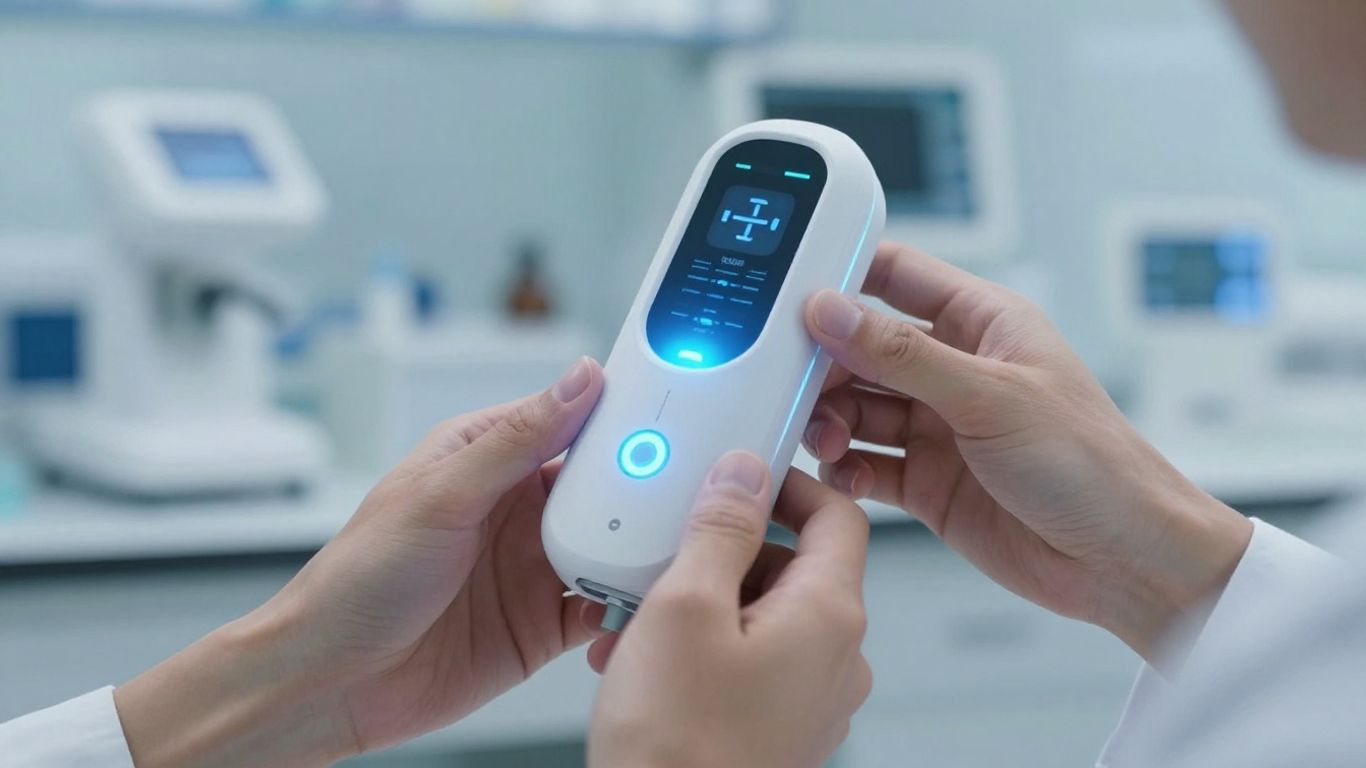
So, you’re thinking about a career in medical technology? That’s awesome! It’s a field that’s always changing, and getting the right education is super important. You’ve got a few different paths you can take, depending on what really sparks your interest.
Degrees in Biomedical Engineering and Health Informatics
If you’re into how things work and how technology can help people, a degree in Biomedical Engineering might be your jam. This field is all about designing, building, and improving the medical tools and systems we rely on. Think pacemakers, MRI machines, or even the software that helps doctors analyze patient data. You’ll get into subjects like biomechanics, medical device design, and understanding all the rules and regulations that go into making medical tech safe.
Then there’s Health Informatics. This is more about the data side of healthcare. It’s about using technology to manage patient information, analyze health trends, and make healthcare delivery smoother and more efficient. You’ll learn about electronic health records (EHRs), data analytics, and keeping all that sensitive information secure. It’s a growing area, especially with all the digital health stuff happening.
Specialized Training Programs for Medical Devices
Sometimes, a full degree isn’t what you need right away. There are tons of specialized training programs out there that can get you job-ready faster. These programs often focus on specific areas, like operating and maintaining particular types of medical equipment. You might find programs that teach you about lab safety, quality control, or how to use advanced diagnostic tools. These can be a great way to build specific skills that employers are looking for. You can find some of these focused programs at places like Beacon Hill Career Training.
Telemedicine and Digital Health Training
We can’t ignore how much technology is changing healthcare. Telemedicine and digital health are huge now. Training in these areas means learning how to use remote monitoring devices, understand telehealth platforms, and manage digital health records. It’s about being comfortable with the tech that allows healthcare to reach people wherever they are. This kind of training prepares you for the future of patient care, making healthcare more accessible and convenient. You can explore programs that align with these evolving demands at fastcareertraining.com.
When you’re looking at programs, always check if they’re accredited. Accreditation means the school or program meets certain quality standards, which is pretty important for getting hired and for your own peace of mind. It shows you’re getting a solid education that’s recognized in the field.
Gaining Practical Experience in Medical Technology
So, you’ve got the book smarts and maybe even a shiny new certification. That’s awesome! But let’s be real, the real learning often happens when you’re actually doing the work. Think of it like learning to ride a bike; reading about it is one thing, but actually wobbling down the street is where the magic (and maybe a few scrapes) happens. In the medical tech world, getting your hands dirty is super important for becoming truly competent.
The Value of Internships and Research Projects
Internships are like a trial run for your future career. You get to see what a typical day looks like, work with actual patients or samples, and figure out if this is really the path for you. Plus, you’re building connections. Many programs require internships, but even if yours doesn’t, actively seeking one out can make a huge difference. Research projects, whether in a university lab or a hospital setting, are another great way to get involved. You’ll learn how to follow protocols, analyze data, and contribute to new knowledge. This kind of experience is gold when you’re applying for jobs. It shows employers you’re not just book-smart, but you can actually apply what you’ve learned.
Volunteer Opportunities in Healthcare Settings
Not ready for a full internship or research gig? No problem. Volunteering is a fantastic way to get a foot in the door. Hospitals, clinics, and even some research labs often need extra hands. You might be helping with patient transport, stocking supplies, or assisting with basic lab tasks. While it might not be the most glamorous work, it exposes you to the healthcare environment and the people who work in it. It’s a low-pressure way to gain exposure and show your commitment. You might even discover a niche you hadn’t considered before. For example, volunteering in Utah could give you insight into the state’s growing healthcare sector CNA in Utah.
Applying Theoretical Knowledge to Real-World Challenges
This is where everything you’ve studied clicks into place. You’ll encounter situations that aren’t in the textbook. Maybe a piece of equipment acts up, or a test result looks a bit off. This is your chance to use your critical thinking skills. You’ll learn to troubleshoot, consult with colleagues, and make decisions that impact patient care. It’s about taking that knowledge from the classroom and making it work in a fast-paced, real-world setting. Here’s a quick look at how different areas translate theory to practice:
- Hematology: Applying knowledge of blood cell counts to identify potential anemias or infections.
- Microbiology: Using learned techniques to culture and identify bacteria from patient samples.
- Chemistry: Performing analyses on bodily fluids to detect disease markers.
- Blood Banking: Matching blood types accurately for safe transfusions.
The transition from academic learning to practical application is where true professional growth occurs. It’s in these moments of problem-solving and direct patient interaction that theoretical concepts become ingrained skills, shaping a competent and confident medical technician.
Remember, every bit of practical experience, whether it’s a formal internship, a research project, or even volunteering, builds your resume and your confidence. It’s all part of becoming a well-rounded medical technician ready for whatever comes your way.
Your Next Steps in Med Tech
So, you’ve learned about the training, the certifications, and why this field is a solid choice for the future. It’s a lot to take in, I know. But remember, getting started doesn’t have to be overwhelming. Think about what interests you most in healthcare and technology. Maybe it’s working with diagnostic equipment or helping manage patient data. There are flexible programs out there, like those from Beacon Hill Career Training, that can help you build the skills you need at your own pace. Don’t forget to check out resources that explain the different roles and what it takes to get there. The medical technology world is always changing, and staying curious and willing to learn new things is key. Taking that first step, whether it’s researching a specific certification or signing up for a course, is the most important part. Your future in this growing field is waiting.
Frequently Asked Questions
What exactly is medical technology certification?
Think of it like getting a special badge that shows you’re really good at certain medical tech jobs. It means you’ve passed tests and proven you know your stuff, making employers trust you more.
Why is getting certified so important for a medical tech job?
It’s like a golden ticket! Many jobs won’t even consider you without it. Certification proves you have the skills and knowledge needed to do the job right and safely, which is super important in healthcare.
What’s the difference between certification and a license?
Certification shows you’re skilled, like a certificate from a special club. A license is permission from the state to actually work in that job. You often need both to work in certain places.
Which organizations offer these certifications?
Some big names you’ll hear about are the ASCP (American Society for Clinical Pathology) and AMT (American Medical Technologists). They offer different types of certifications for medical technicians.
Do I need a special degree to become a medical technician?
While some jobs might prefer a degree, many medical tech roles can be accessed with specialized training programs or certificates. It’s all about getting the right skills and proving them through certification.
How does getting certified help me get a better job?
Certified techs are often seen as more reliable and skilled. This can lead to more job offers, higher pay, and chances to move up in your career to more advanced or even leadership roles.