
Key Takeaways
Starting a career as a nursing assistant requires careful planning, but local resources make the process manageable for many. Understanding state regulations and financial support options is essential for a smooth transition into healthcare.
- Accelerated training programs typically span four weeks with intense hands-on requirements.
- State programs must be verified through the official Texas HHSC database.
- Applicants should anticipate health screenings and background check documentation.
- Multiple financial aid options exist through local workforce development agencies.
- Success on the certification exam depends on focused practice of technical skills.
Understanding the 4-week accelerated CNA program structure
Daily time commitment and scheduling requirements
Students embarking on an accelerated path should prepare for a rigorous schedule where every hour counts. Most programs require daily attendance, often mirroring professional shift hours to acclimate candidates to the reality of clinical work. Managing this transition requires focus, as the condensed timeline limits flexible options for those balancing secondary responsibilities or personal employment.
Balancing clinical rotations with classroom instruction
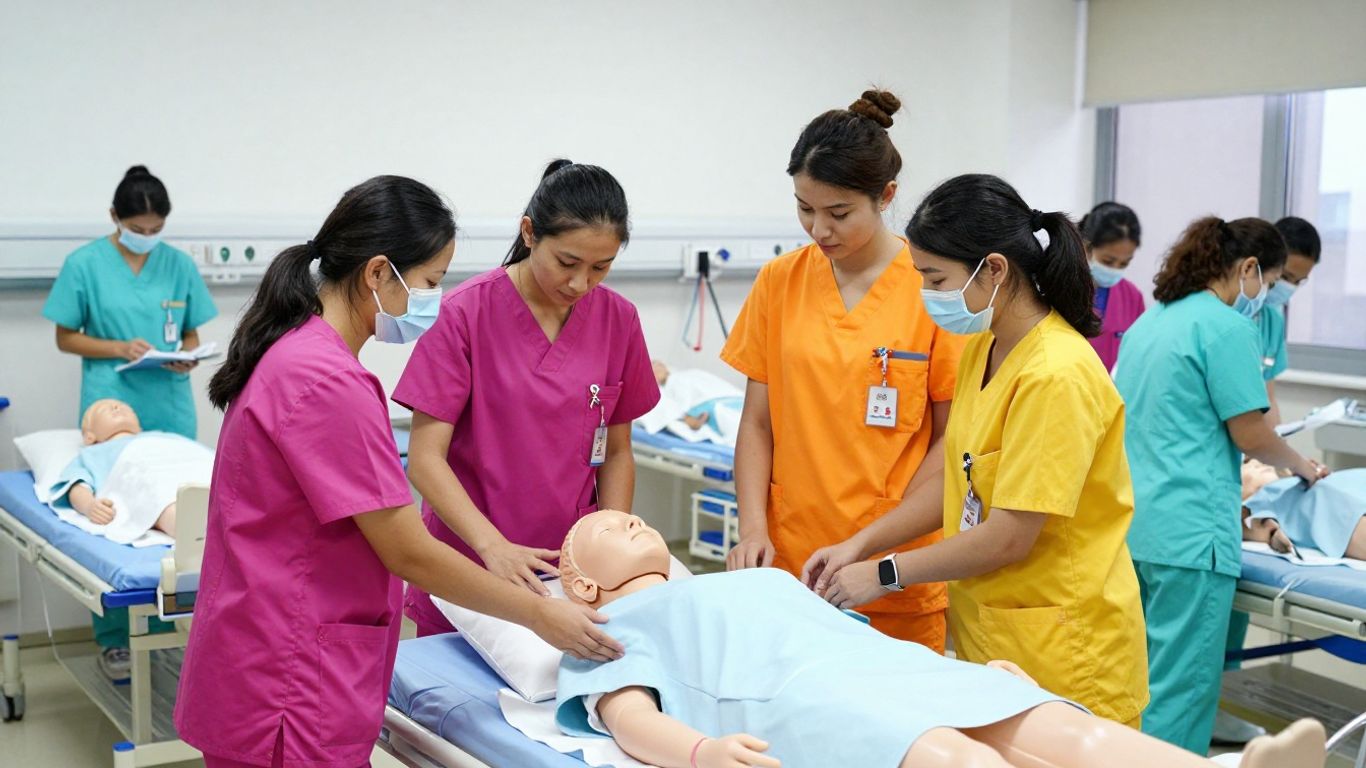
Instruction happens in two distinct phases: theoretical learning and active practice within a healthcare facility. Students must move through foundational concepts quickly before putting theory into play during mandatory clinical shifts. This hands-on phase remains the core of Commencement Career Center where educators guide you through essential anatomy and medical terminology before hitting the facility floor.
The intensity of accelerated learning modules
Fast-paced learning requires students to master critical concepts like patient safety and infection control under strict time limits. The mental load of processing dense information is significant, often requiring additional independent study to bridge the gap between classroom lecture and bedside application. Being fully prepared helps you navigate the high-stakes environment effectively without losing track of your goals.
How to verify state accreditation for San Antonio nursing programs
Checking the Texas Health and Human Services Commission (HHSC) database
Verifying a prospective school’s status is your primary task before paying tuition or signing enrollment papers. The Texas Health and Human Services Commission (HHSC) maintains a list of official training programs that meet state standards, ensuring your certificate will be recognized for licensure testing. It is important to cross-reference school names directly against this registry to avoid wasting time on programs that lack state authorization.
Identifying state-approved training providers in Bexar County
Local resources offer various pathways into the profession within the San Antonio area. You can explore Alamo Colleges as a starting point for reliable, institution-based instruction. Having access to vetted pathways for healthcare careers is vital in your planning stage to compare tuition rates and facility locations.
Why enrollment in non-accredited courses leads to certification denial
Choosing a program without current state accreditation presents a high risk of disqualification from the state certification exam. If your training provider does not meet the necessary state benchmarks, the board of nursing will invalidate your clinical hours, essentially nullifying the tuition and effort you already invested. Always perform this check to protect your status in the medical community.
Essential prerequisites for enrolling in San Antonio-based CNA classes
Standard health screenings and vaccination requirements
Healthcare programs demand a high level of physical readiness, as the daily demands of nursing assistants are often physically taxing. Most reputable programs mandate recent health physicals and proof of specific immunizations to protect both the students and the vulnerable patient populations they will encounter. Securing these medical documents at least two weeks before the start date ensures the enrollment process proceeds without delays or administrative hurdles.
Background checks and legal documentation
Because the role involves direct patient care, all candidates must undergo thorough background checks to ensure eligibility for clinical licensure. You will likely be required to submit fingerprints and clear a criminal history check before being cleared for facility placement. Maintaining clean and organized legal documentation is a critical step in your successful enrollment and will prevent unnecessary friction when you begin your professional journey.
Minimum age and education level standards
Most training providers require applicants to be at least eighteen years of age and hold a basic educational credential like a high school diploma or GED. Some institutions, like the Legacy Career Institute, occasionally offer pathways that allow for 8th-grade literacy tests as an alternative. These requirements exist to ensure students possess the baseline comprehension skills necessary for medical charting and safe interaction with medical teams and patients.
Costs and financial aid options for CNA training in Texas

Expected tuition ranges for local training facilities
Tuition costs vary depending on the location, the duration of the course, and the level of lab support provided. While some programs are affordably priced, students often look to The Institute of Allied Healthcare for competitive pricing compared to larger, less flexible private institutions. The following table highlights common cost factors associated with local training:
| Cost Category | Typical Range | Note |
|---|---|---|
| Core Tuition | $800 – $2,000 | Varies by duration |
| Registration Fees | $50 – $150 | Often non-refundable |
| Books and Supplies | $100 – $300 | Includes uniform costs |
Selecting a program that aligns with your budget helps you stay focused on your studies rather than worrying about mounting operational fees throughout your training cycle.
Exploring employer-sponsored training programs
Many nursing homes and long-term care facilities in the San Antonio region offer programs to pay for your education in exchange for a service commitment. This is an excellent way to secure employment while reducing out-of-pocket expenses immediately upon graduation. You should interview with local hiring managers to see if their facility participates in tuition reimbursement or sponsorship initiatives.
Utilizing workforce development resources for tuition assistance
Government-funded workforce initiatives can often cover the entire cost of training if you meet specific socioeconomic criteria. These programs aim to build the local nursing workforce and are a primary resource for students seeking a no-cost route into the healthcare industry. Reaching out to your local workforce board can help you find eligibility requirements for grants and community-based training support.
Preparing for the Texas nurse aide certification exam
Understanding the structure of the state certification test
Passing the state certification exam involves a comprehensive written test and a practical demonstration of clinical skills. The written component assesses your grasp of medical terminology and patient safety regulations, while the skills performance portion measures how well you apply what you learned in a supervised setting. Understanding the scoring criteria is vital to your preparation, as the exam is binary; you either meet the specific skill thresholds or you do not.
Effective study strategies for the skills performance section
Consistent practice is the only way to ensure success during the technical skills portion of the exam. Many students find benefit in grouping their study sessions into logical thematic blocks:
- Mastering hand hygiene protocols and infection control techniques.
- Practicing patient transfer techniques using correct body mechanics.
- Reviewing the steps for documenting vital signs accurately and quickly.
Repeating these actions until they become second nature removes the extra stress of trying to remember the steps during the timed testing event.
Logistics of scheduling the Texas Nurse Aide Exam
Scheduling your exam requires coordination with the official state testing board shortly after your course hours conclude. Waiting too long to schedule can lead to forgetting the technical specifics, so target a date within two weeks of program completion to keep your knowledge fresh. Ensure you have your identification and testing codes ready to prevent any last-minute administrative issues at the testing site.
Career opportunities for newly certified nursing assistants in San Antonio
Navigating the job market in local hospitals and clinics
Once you receive your certification, the job market in the region is generally receptive to well-trained individuals who show initiative. Networking during your clinical rotation allows you to make direct contact with hiring supervisors who already saw your work ethic in action. You will find that hospitals, outpatient clinics, and specialized medical centers are always looking for reliable staff who can handle fast-paced environments.
Long-term care versus acute care nursing assistant roles
Choosing a specialty early can define the direction of your early career, whether you prefer the stable, long-term relationships of a nursing home or the fast-changing environment of a hospital ward. Each environment demands a different set of interpersonal skills, so it is worthwhile to try rotations in both settings before committing to a permanent role.
Pathways for further advancement in the nursing field
Starting your career as a CNA is a foundational step that opens doors to many other medical roles, including vocational nursing or registered nursing programs. If you ever face the unfortunate need to repair home damage or deal with other personal life issues after your training, remember that your certification remains a stable asset in your employment portfolio. Continuing to build your skills ensures you remain competitive as you consider higher education in the healthcare sector.
Conclusion
Becoming a professional nursing assistant in San Antonio is an achievable goal that starts with identifying the right program and committing to the intensive pace of 4-week training. By verifying your school’s accreditation and utilizing available local financial aid, you can launch a rewarding career in healthcare that provides both stability and personal fulfillment. With solid preparation for the state board exam and a proactive approach to job hunting, you are well-positioned to contribute meaningfully to the medical community in your new role.
Frequently Asked Questions
How long does a typical CNA certification last?
Once you successfully pass your exams and receive your state certification, your status as a nursing assistant is valid for two years, after which you must complete a renewal process that involves proving active work hours.
Are there part-time programs for CNA training?
While many accelerated programs focus on full-time commitments, some local vocational schools offer evening or weekend variations that allow you to balance your training alongside a standard day job, though this often extends the timeline beyond four weeks.
What happens if I fail the state exam on my first try?
You are allowed multiple attempts to pass the certification exam, but you must register and pay for each retake; it is highly recommended to review your performance report to identify which specific skills you struggled with before re-attempting the test.
Can I work as an aide before getting my certificate?
In some regulated facilities, you may be allowed to work as a nursing assistant trainee for a very limited duration, but you must obtain your official state certification within a specified timeframe to remain employed in that capacity.
What do I need to bring to my clinical rotation site?
Most facilities provide the major clinical supplies, but you will specifically need your valid identification badge, a reliable watch with a second hand for measuring vital signs, and your designated student nursing uniform.
Is prior healthcare experience required?
No prior experience is necessary to enroll in these programs, as they are specifically designed to teach the fundamentals of patient care to beginners who are just starting their careers in the medical field.
How do I renew my license in Texas?
License renewal is managed through the state registry website, where you will submit proof of your engagement in at least eight hours of qualified work during the previous licensure cycle to keep your records active.