Key Takeaways
CNA classes in Orlando can be a practical first step into direct patient care, but the right program should fit your schedule, budget, and certification plan.
- CNAs support patients with daily care, safety, mobility, and basic observations.
- Florida programs usually combine classroom learning, laboratory practice, and clinical experience.
- Applicants should confirm approval, attendance rules, screening requirements, and total costs.
- The Florida CNA exam includes a written or oral component and a skills evaluation.
- Orlando CNAs may work in hospitals, long-term care, assisted living, home health, and other settings.
Understanding CNA classes in Orlando
CNA training introduces the practical side of patient care. Students learn how to assist people respectfully, follow safety procedures, and work under the direction of nurses and other licensed professionals. For many Orlando residents, the appeal is a relatively focused route into healthcare without committing immediately to a longer nursing degree. The best choice depends on more than how quickly a class begins; the learning environment and preparation for Florida certification matter too.
What certified nursing assistants do
Certified nursing assistants help patients with activities of daily living, including bathing, dressing, grooming, eating, repositioning, and safe movement. They may measure and report vital signs, observe changes in a patient’s condition, maintain a clean care area, and communicate concerns to the nursing team. The work is hands-on and personal, so patience and dependable communication are as important as technical steps.
A CNA does not independently diagnose illness or prescribe treatment. Instead, the role centers on carrying out delegated care, noticing relevant changes, protecting privacy, and documenting or reporting information according to workplace procedures. Patient dignity comes first in every task, including routine assistance that may seem simple from the outside.
Who typically enrolls in CNA training
CNA classes attract recent high school graduates, adults changing careers, people returning to the workforce, and students exploring nursing or another healthcare field. Some applicants already have experience caring for relatives, while others are starting with no clinical background. That mix can make a classroom lively, but it also means students should be ready to learn formal procedures rather than rely only on personal experience.
People who need a flexible path often compare evening, weekend, accelerated, and traditional schedules. A useful starting point is a CNA career planning guide, which explains the role, training process, workplace settings, and possible advancement in broad terms. Those considering schools outside Central Florida can also use a Florida CNA program overview to compare the general certification path across the state.
How classroom, lab, and clinical instruction work
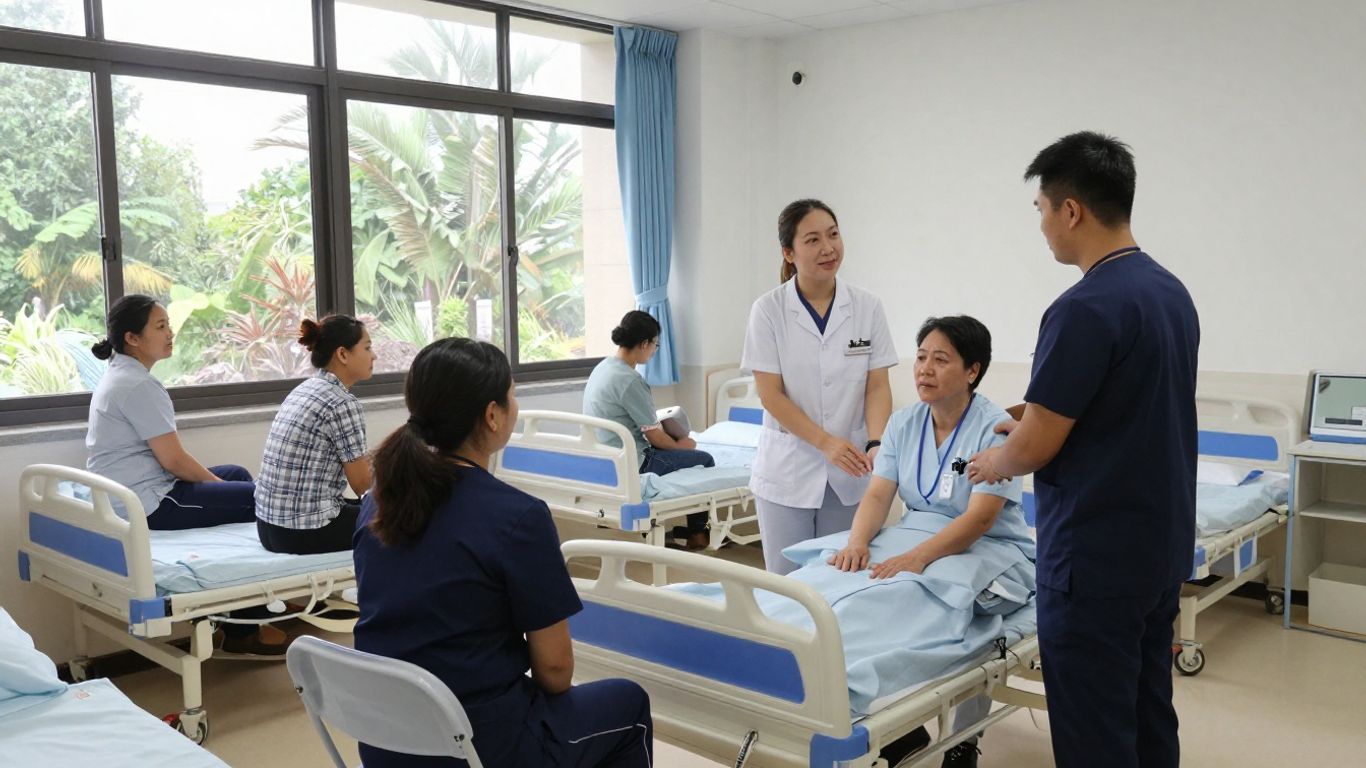
Classroom instruction covers terminology, communication, infection prevention, body mechanics, residents’ rights, and the principles behind common care tasks. In the laboratory, students practice steps such as transferring a person, taking vital signs, making a bed, and using protective equipment. Repetition matters because the goal is not merely to recognize a procedure but to perform it in the correct order while maintaining safety and respect.
Clinical instruction gives students supervised experience with real patients or residents. It also teaches the rhythm of a care setting: arriving prepared, receiving assignments, managing time, asking for help, and reporting observations. Students should ask how much clinical practice is included and where it occurs before paying a deposit.
How CNA training differs from other healthcare programs
A CNA program is narrower and typically shorter than practical nursing or registered nursing education. It prepares students for an entry-level supportive role rather than the broader assessment, medication, and care-planning responsibilities associated with licensed nursing. Medical assistant programs may focus more on outpatient administrative and clinical tasks, while CNA education concentrates on direct bedside and personal care.
That focused scope can be an advantage for someone who wants early exposure to healthcare. It also sets clear limits: completing a CNA course does not automatically qualify a person for every patient-care position or replace additional credentials requested by an employer.
Comparing Orlando CNA programs
Orlando has several kinds of training providers, so prospective students should compare the details behind each advertisement. A low headline price may exclude testing, uniforms, screening, or clinical supplies. A convenient schedule may still be difficult if attendance is rigid or clinical hours occur far from home. Before choosing, look for a clear connection between the program curriculum, Florida eligibility rules, and the skills you will need at work.
State-approved schools and training providers
Start by confirming that the program is approved or otherwise recognized for the Florida CNA pathway you intend to use. Ask who administers the training, whether instructors have appropriate qualifications, and how the school documents completion. A provider should be willing to explain its curriculum and the steps students take after finishing instruction.
Orlando learners may review a local Orlando CNA training option as one point of comparison. When looking at web pages, separate general directory information from the school’s current enrollment details. A page about Southern Technical Institute, for example, describes small classes of 14–20 students, provided classroom tools and supplies, and additional Florida CNA exam fees; those are specific details to verify directly before enrolling.
Program length and attendance requirements
Programs can vary in length because of the number of instructional hours, the weekly schedule, holidays, and the timing of clinical placement. Ask for a calendar rather than relying on phrases such as “fast track” or “quick certification.” Missing a lab or clinical session may require a make-up date, and some programs do not allow students to progress until a particular skill has been demonstrated.
Clarify the attendance policy in writing. Questions about tardiness, absences, clinical readiness, make-up work, and withdrawal deadlines can prevent an unpleasant surprise. If you work or care for children, map the full schedule—including travel time—to your actual week before committing.
Online, hybrid, and in-person class formats
Online coursework may make reading and review easier, but it cannot replace the hands-on practice required for physical care skills. Hybrid programs can combine remote lessons with scheduled laboratory and clinical sessions. Fully in-person training may be the simplest option for students who learn best by watching an instructor and practicing immediately.
Ask how feedback is delivered in each format, how skills are checked, and whether technology requirements create extra costs. A self-paced online page should not be confused with an approved training program. Even an enrollment process that uses a third-party website deserves careful review; for example, Bartheon Group provides a privacy-policy page, but that page is not evidence that a healthcare course is state-approved.
Questions to ask before enrolling
A short conversation with an admissions representative can reveal more than a polished course page. Bring a written list and request direct answers about approval, instructors, clinical arrangements, exam preparation, and what happens if you need additional practice. Also ask whether the quoted tuition includes the items you will need on the first day.
Useful questions include:
- What Florida approval or eligibility information applies to this program?
- How many classroom, laboratory, and clinical hours are included?
- Which books, uniforms, supplies, screening costs, and exam fees are separate?
- What are the attendance, refund, withdrawal, and make-up policies?
The answers should be specific enough for you to compare programs side by side. Be cautious when a representative avoids discussing clinical placement or cannot provide a complete cost estimate.
Meeting CNA training and certification requirements
Requirements can come from several places: the school, the clinical site, the Florida Board of Nursing, and an employer. They are not always identical. A program may ask for documents before classes begin, while an exam application may require additional information later. Treat requirements as a timeline, not a one-time checklist.
Education and age requirements
Many CNA programs set minimum age and education standards, but the exact policy can vary by provider and pathway. Ask the school what it accepts as proof of education and whether it has an entrance assessment. If you are still in high school, ask whether dual enrollment or another approved arrangement is available rather than assuming every program follows the same rule.
Before registration, confirm the current Florida exam eligibility guidance and the school’s own admission policy. A general CNA certification and training guide can help you understand the relationship between classroom instruction, clinical practice, the two-part examination, and registry-related steps, but current state instructions should control your application.
Background checks and health documentation
Clinical facilities commonly require background screening and health documentation before allowing students to work with patients. Depending on the program and site, this may involve fingerprinting, immunization records, a physical examination, a tuberculosis screening, or proof that certain health forms have been completed. The timing matters because an unresolved record or missing document can delay clinical placement.
Ask who pays for screening and when it must be submitted. Also ask how the school handles a record that needs review; a screening issue does not always have the same outcome in every setting, and only the relevant authority can explain eligibility.
CPR and other prerequisite certifications
Some schools require CPR training before clinical work, while others include it in the program or refer students to an approved course. Find out which organization or course format is accepted, how long the credential remains valid, and whether the certification must be completed before the first lab. Do not purchase a class based only on the word “CPR” without checking the provider’s policy.
Other prerequisites may include identification documents, orientation, drug screening, or a basic skills assessment. Put every deadline on one calendar. Small administrative omissions are surprisingly common reasons students cannot begin on the planned date.
Florida CNA exam eligibility
After completing an eligible training route, candidates must follow Florida’s process for applying to take the competency examination. The examination generally includes a written or oral portion and a clinical skills demonstration. The testing organization and state instructions determine application materials, scheduling, fees, and retesting procedures, so verify those details close to the time you apply.
Keep copies of your completion paperwork, identification, screening records, and payment confirmations. If your name or address changes, update the appropriate records promptly. Good organization will not replace eligibility, but it can reduce avoidable delays.
What you will learn in a CNA program
The curriculum is built around safe, respectful assistance rather than memorizing isolated tasks. Students learn why a procedure matters, what can go wrong, and when to stop and ask a nurse for direction. Practice should gradually become more natural while still following the sequence taught by the program and expected in testing.
Basic nursing skills and patient safety
Students usually learn hand hygiene, use of personal protective equipment, positioning, transfers, bed-making, comfort measures, and basic observations. They also practice identifying hazards such as wet floors, poorly positioned equipment, or an unstable transfer. Safe care includes checking the environment before beginning and leaving it orderly afterward.
The emphasis is on staying within the CNA role. A student should know which tasks require nurse supervision, how to report a concern, and why guessing is unsafe. This foundation is useful in every setting, whether care takes place in a facility or a patient’s home.
Vital signs, personal care, and mobility assistance
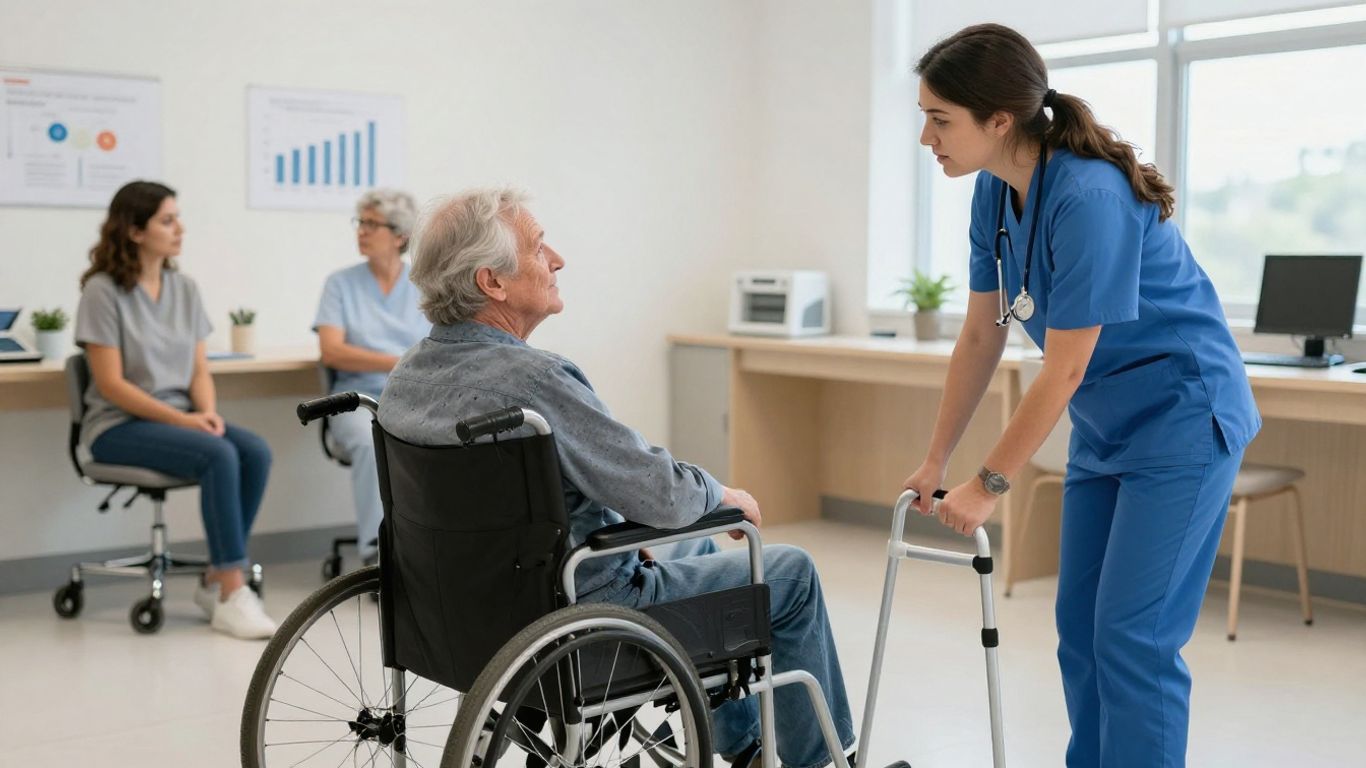
Programs teach students how to measure and report common vital signs and how to recognize observations that should be communicated promptly. Personal care instruction may include bathing, toileting, oral care, dressing, nutrition support within the assigned role, and skin observation. Mobility practice covers body mechanics, assistive devices, fall prevention, and respectful encouragement.
These tasks require both precision and sensitivity. Explain what you are doing, preserve modesty, and give the patient choices when possible. A calm approach can make an uncomfortable task feel safer for everyone involved.
Infection control and emergency procedures
Infection-control lessons cover handwashing, standard precautions, clean technique, disposal of contaminated materials, and preventing cross-contamination. Students also learn how to respond to falls, sudden changes, fire alarms, choking, and other emergencies according to facility policy. The CNA’s responsibility is often to recognize, protect, call for assistance, and report—not to improvise beyond training.
A useful way to organize study is to group actions by the immediate priority:
- Protect the patient and yourself from further harm.
- Call the nurse, emergency response team, or designated help.
- Observe and remember relevant facts without making assumptions.
- Follow the site’s procedure and document or report as directed.
This sequence is a study aid, not a replacement for facility policy or instructor guidance. During lab and clinical practice, ask how the local procedure differs from a textbook example.
Communication, ethics, and residents’ rights
CNA students learn to communicate with patients, families, nurses, and other staff in a clear and respectful manner. They discuss confidentiality, consent, boundaries, abuse reporting, cultural differences, and the right to privacy and humane treatment. A resident’s preferences should be heard even when the task itself is routine.
Safeguarding deserves particular attention in long-term care. Reviewing general material on care-home safeguarding practices can prompt useful questions about training, reporting, supervision, and protection from abuse or neglect. It does not replace the policies or reporting channels taught by your program and clinical site.
Paying for CNA classes in Orlando
The published tuition is only one part of the financial picture. Students may also pay for screening, uniforms, transportation, CPR, supplies, and the competency examination. Comparing the full cost early makes it easier to choose a realistic schedule and avoid stopping midway because of an expense that was not disclosed.
Tuition and additional training expenses
Ask whether tuition covers classroom instruction, laboratory access, clinical placement, and any required remediation. Some schools bundle several services, while others charge separate registration or technology fees. If the program advertises a short completion time, ask whether the price assumes a fixed full-time schedule.
A written estimate should show which charges are mandatory and which are optional. Also ask what happens if you withdraw, miss a clinical day, need to repeat a course component, or must retake an examination.
Books, uniforms, supplies, and exam fees
Books and uniforms are common additional expenses, as are closed-toe shoes, a watch with a second hand, transportation, and screening appointments. Exam fees may be separate from course tuition. The practical details matter because a student who arrives without required clothing or equipment may lose valuable practice time.
Build a small budget using the categories below before comparing payment plans. The point is not to predict an exact total for every school, but to uncover costs that may otherwise appear one at a time.
| Cost category | What to verify | Why it matters |
|---|---|---|
| Tuition | Instruction, lab, and clinical coverage | Shows what the advertised price actually includes |
| Materials | Books, uniform, shoes, and supplies | Prevents last-minute purchases |
| Screening | Background check, fingerprinting, and health forms | May be required before clinical placement |
| Certification | Application, testing, or retesting fees | Can be separate from school charges |
Once you have the complete estimate, compare it with your available cash, aid, and transportation costs. A slightly higher tuition may be easier to manage if fewer expenses are charged separately.
Scholarships, grants, and employer-sponsored programs
Ask the school about grants, scholarships, payment plans, workforce assistance, and employer-sponsored training. Local workforce agencies may have eligibility rules based on income, employment status, or career goals. Some healthcare employers help with training in exchange for a work commitment, so read the agreement carefully before accepting support.
Complete aid applications early and keep copies of submitted documents. Funding can have deadlines, limited spaces, attendance conditions, or repayment rules if you leave a job too soon.
Comparing program value beyond the advertised price
Value includes the quality of skills practice, instructor access, clinical organization, schedule reliability, and support after completion. A program that communicates clearly and provides meaningful feedback may be more useful than one that simply promises a low price. Ask recent students or working CNAs what they wish they had checked before enrolling, while remembering that individual experiences are not guarantees.
You can also use a CNA classes information hub for broader questions about selecting training and building a career. Keep that general guidance separate from each Orlando school’s current policies and fee schedule.
Preparing for the Florida CNA exam
Exam preparation should begin during the first week of training, not after the final class. Every skill practiced in the lab is an opportunity to improve sequence, communication, infection control, and confidence. Students should learn the rationale behind each step so they can adapt calmly when a testing scenario feels unfamiliar.
Written examination topics and study strategies
The written or oral portion may test basic nursing knowledge, safety, infection control, communication, personal care, and the CNA’s role. Use the official candidate materials and your course objectives as the main study framework. Short, regular review sessions usually work better than trying to absorb everything in one long evening.
Make flashcards for terms and procedures, explain answers aloud, and keep a list of topics you repeatedly miss. Practice questions are most useful when you review why an answer is correct rather than simply counting your score.
Clinical skills evaluation requirements
The skills evaluation tests whether you can perform assigned procedures safely and in an organized manner. Examiners look for fundamental behaviors such as hand hygiene, privacy, patient identification, communication, body mechanics, and correct handling of equipment. A candidate can know the theory and still lose points by rushing or skipping a safety step.
Practice from the moment you enter the testing area through cleanup and reporting. Say what you are doing when appropriate, maintain a respectful tone, and follow the sequence taught by your program. If a step is unclear, ask your instructor during practice rather than inventing a shortcut.
Practice tests and hands-on preparation
Use practice tests to identify weak areas, then return to the lab to correct them. Pairing a written review with hands-on repetition helps connect vocabulary to action. Ask a classmate to observe silently with a checklist, then give feedback after the procedure is complete.
A short instructional video can supplement, but not replace, instructor feedback and supervised practice.
Choose demonstrations that align with Florida’s current testing materials and your school’s procedure. Different facilities may teach small variations, so your instructor should clarify which method to use for the examination.
Common mistakes that can delay certification
Missed deadlines, incomplete applications, expired documents, and failure to confirm a test appointment can all create avoidable problems. Students sometimes also underestimate the effect of a failed skills attempt, an unreported name change, or a clinical absence. Keep a folder—digital or paper—with completion records, identification, correspondence, and receipts.
Before testing, confirm the date, location, arrival time, required identification, dress expectations, and retest policy. If you do not pass on the first attempt, follow the official instructions rather than relying on advice from social media or an outdated handout.
Starting a CNA career in Orlando
Orlando’s healthcare employers include large institutions, post-acute facilities, assisted living communities, home-care organizations, and outpatient settings. Each workplace has its own pace, staffing model, patient population, and orientation process. A first job is a chance to build dependable habits, not merely a way to collect a title.
Hospitals, nursing homes, and assisted living facilities
Hospitals may expose CNAs to shorter stays, frequent changes in condition, and collaboration with a larger clinical team. Nursing homes and assisted living facilities often involve longer relationships with residents and more emphasis on daily routines, mobility, and ongoing observation. The exact duties depend on the employer, unit, resident needs, and supervision structure.
When reviewing a posting, ask about orientation, patient assignments, lifting expectations, documentation systems, and required shifts. A local Orlando nursing assistant program describes hands-on preparation connected with long-term care and home health; prospective students should still confirm current program and employment details directly.
Home health and other employment settings
Home health work can involve personal care, meal support, mobility assistance, observation, and reporting in a private residence. It may offer a quieter setting, but the CNA may work with less immediate access to coworkers and must follow the care plan closely. Other opportunities can exist in rehabilitation, hospice support, clinics, or community-based care, depending on the employer’s requirements.
Read job descriptions carefully. “Caregiver,” “patient care technician,” and “nursing assistant” may overlap in everyday conversation but can carry different duties, credentials, and supervision expectations.
Entry-level pay and scheduling considerations
Pay varies with employer, experience, shift, overtime, setting, and credentials. Night, weekend, holiday, per-diem, and part-time schedules may be available, but they can affect income stability and work-life balance. Rather than relying on a single advertised wage, compare the full offer: orientation pay, benefits, mileage, shift differentials, guaranteed hours, and advancement rules.
Transportation is another practical concern in the Orlando area. Calculate commuting time between school, clinical placement, and possible workplaces before accepting a schedule that looks attractive on paper.
Advancement opportunities after becoming a CNA
CNA experience can help a person decide whether to pursue practical nursing, registered nursing, medical assisting, medication aide training where permitted, or another healthcare specialty. Advancement is not automatic, and each next credential has its own education, examination, and licensing requirements. Still, careful documentation of skills, strong attendance, and professional references can make future applications stronger.
Use the first months of employment to learn from experienced nurses, ask for feedback, and identify the type of care setting that suits you. Progress often comes from consistent performance in ordinary tasks: arriving prepared, communicating clearly, protecting privacy, and treating every patient with respect.
Conclusion
Choosing CNA classes in Orlando is a practical decision that deserves careful comparison. Look beyond the course title to approval, hands-on practice, clinical support, complete costs, exam preparation, and the kind of work you hope to do afterward. With realistic planning and steady practice, training can provide a solid beginning for direct patient care and further healthcare education.
Frequently Asked Questions
How long do CNA classes in Orlando take?
Program length varies by school, schedule, instructional hours, and clinical arrangements. Ask for a complete calendar that includes classroom, laboratory, clinical, orientation, and make-up requirements.
Do CNA programs require a high school diploma?
Policies differ by provider and pathway. Contact the school to confirm minimum age, education documentation, assessment, and any exceptions that may apply.
Are online CNA classes enough for certification?
Online lessons can support theory and review, but CNA certification requires hands-on skill development and evaluation. Confirm that any hybrid or online option includes approved laboratory and clinical components.
What does the Florida CNA exam include?
The competency examination generally includes a written or oral component and a clinical skills demonstration. Candidates should verify current application, scheduling, identification, and retesting instructions with the appropriate Florida authorities.
What costs should students expect besides tuition?
Possible additional costs include books, uniforms, shoes, supplies, CPR training, background screening, health documentation, transportation, application charges, and exam or retesting fees.
Where can an Orlando CNA work?
Employment settings may include hospitals, nursing homes, assisted living facilities, home health agencies, rehabilitation programs, and other organizations that hire nursing assistants. Duties and requirements vary by employer.
Can CNA training lead to other healthcare careers?
Yes, CNA experience can help students explore practical nursing, registered nursing, medical assisting, and related paths. Each advancement route has separate education, licensing, or certification requirements.