Key Takeaways
Starting a career in healthcare requires a blend of rigorous study and practical training. Here is a summary of how modern education facilitates this path.
- Theoretical training is now frequently accessible through digital learning modules.
- Clinical hours remain a fundamental necessity for hands-on competency.
- State board approval is the single most important metric for program legitimacy.
- Virtual classrooms offer high-level organizational tools for tracking progress.
- Success on certification exams relies on synthesizing classroom lessons with field experience.
Understanding the structure of online CNA programs
Transitioning into the healthcare field has evolved, allowing students to complete a portion of their initial coursework from home. These programs are designed to cover the core nursing concepts that students must master before stepping onto a clinical floor. By separating the lecture-based content from physical instruction, students benefit from a structured environment that respects their time while maintaining high educational standards.
The virtual classroom experience vs in-person theory
Digital platforms provide a baseline for understanding human anatomy, medical terminology, and patient rights. You will notice that the primary difference lies in the setting; instead of sitting in a lecture hall, you participate in webinars and interactive modules. This setup allows for self-paced learning, provided you keep up with the syllabus and meet your instructors’ milestones.
Fulfilling mandatory in-person clinical hours
Regardless of how much theory you absorb online, nursing assistants cannot learn to provide care through a screen alone. State regulations mandate that students complete a specific number of supervised hours in a licensed facility. You might find that Red Cross offers well-structured training components that bridge this gap effectively.
Navigating state-specific certification regulations
Every state maintains its own registry and set of mandates for nursing assistant training. It is critical to confirm that your specific course meets the local requirements established by your board of nursing, as these vary by region. When checking these details, compare the variables common to most state-approved programs.
| Feature | Online Hybrid Model | Traditional In-Person |
|---|---|---|
| Theory Instruction | Digital Modules | Classroom Lecture |
| Scheduling | Self-Paced | Fixed Schedule |
| Hands-on Skills | Local Facility | Laboratory Setting |
These differences demonstrate that while the delivery medium changes, the requirement for competency remains identical across both formats.
Benefits of taking online CNA classes

Choosing a hybrid path often comes down to the balance between existing life obligations and the need for new skills. Many individuals who work full-time or manage household responsibilities find that standard brick-and-mortar classes do not fit their schedules. Online access allows for a more personalized approach to professional development.
Flexibility for balancing work and education
Managing your time effectively is the cornerstone of success in these programs. You can access your materials early in the morning or late at night, ensuring you do not have to quit a paying job to pursue your goals. This adaptability makes it possible to maintain steady income flows while preparing for a new role.
Cost reduction in tuition and commuting expenses
Traditional schooling often incurs hidden costs beyond just the cost of tuition. By reducing the number of physical trips to a campus, you save significantly on transportation, parking, and daily travel expenses. Some providers, such as Utah CNA Training Centers, offer affordable hybrid routes that minimize overhead for students.
Accessibility for individuals in remote or underserved areas
Geography should not prevent you from joining the healthcare workforce. Through digital learning, students living in rural areas can connect with accredited instructors and quality curricula without moving to a major metropolitan center. This democratizes training, ensuring that communities in need are served by well-trained professionals.
How to verify if an online CNA program is legitimate
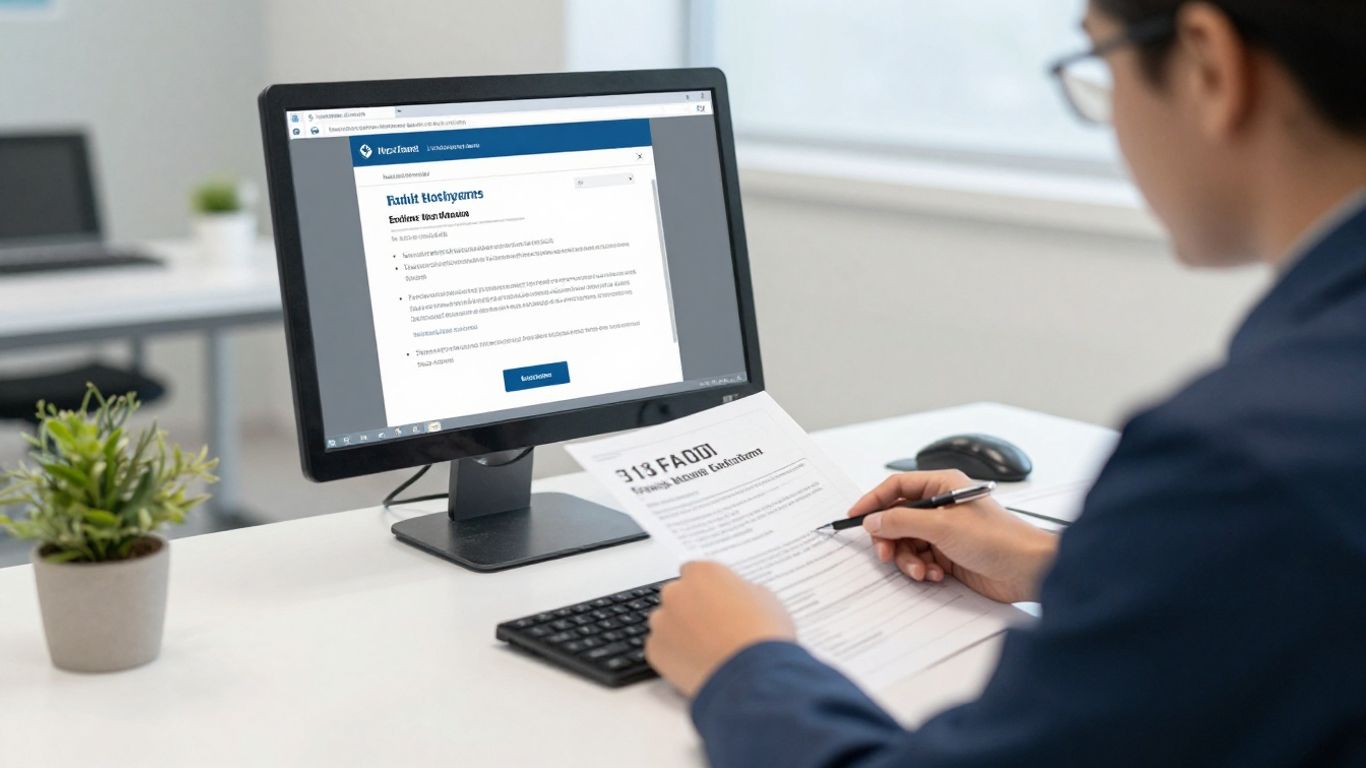
Before you enroll, vetting your potential training provider is an essential step in your journey. Because the healthcare industry is highly regulated, there is no room for shortcuts or uncertified training. You should always perform due diligence to ensure your credentials will be recognized by potential employers and state boards.
Checking approval from your state board of nursing
State approval serves as the gold standard for any program. If a course is not on the registry or list of approved providers for your state, your eventual certification might be denied. Direct confirmation via official government websites is the only way to avoid complications down the line.
Reviewing educational accreditation and institutional history
Look for programs with a proven track record. Organizations like Accessibility Excellence demonstrate how individual successes and clear institutional history build trust. A program that has been operating for several years and enjoys positive feedback is usually a safer bet than an anonymous portal.
Recognizing common warning signs of diploma mills
It is vital to stay alert for predatory education practices. You should avoid any program that exhibits the following characteristics:
- Guarantees instant certification without mentioning clinical hours.
- Requires full payment before providing access to a valid curriculum.
- Lacks a physical correspondence address or verifiable contact information.
- Displays heavy pushiness or high-pressure sales tactics.
Identifying these traits early helps you protect your financial investment and your time. If a provider seems more concerned with your credit card details than your clinical path, seek education elsewhere.
What to expect in a virtual CNA classroom
Stepping into a digital classroom requires a different set of habits than attending a physical one. You will likely interact with a learning management system that houses all your quizzes, reading assignments, and progress tracking data. This platform serves as the central hub for your education.
Utilizing learning management systems and digital tools
These automated systems allow you to see your grades in real-time, which helps you identify areas where you need to focus more, as you build theoretical concepts and hands-on practice into your daily routine. Most interfaces are user-friendly, though you will need a consistent internet connection to ensure your progress is logged correctly.
Engaging with instructors and clinical coordinators
Communication is not limited to face-to-face contact. You will have access to email, message boards, and video conferences with your RN instructors. When choosing a school, programs like Academic Platforms emphasize using dedicated online staff to guide you through the curriculum, mirroring the support you would receive in a physical campus office.
Accessing study materials and virtual assessment formats
Your reading material is usually delivered in PDFs or interactive videos. Assessments are similarly digitized, and you will often practice for your board exams using simulated test environments found online. This prepares you for the format of the state test, ensuring that the technology does not intimidate you on exam day.
Preparing for your state certification exam
Getting ready for your state exam is the final hurdle to becoming a working professional. The process involves more than just memorizing facts; you must show the board that you are ready to handle sensitive patient situations with care and competence. Consistency in your studies is what usually makes or breaks a candidate’s performance.
Integrating theoretical knowledge into practical nursing skills
Passing the exam requires you to know more than just terms. You must understand how the theory applies to the physical environment, such as sanitizing a room or helping a patient safely transition from a bed to a chair. Mentors or clinical instructors play a crucial role here, as they observe your technique and offer constructive shifts in your approach.
Scheduling and logistics for the local clinical examination
Do not underestimate the importance of the logistical side of certification. You often need to sign up for your clinical hours and exam slots months in advance. Keep a calendar with every deadline, registration date, and document requirement from your local testing agency to prevent missing your window.
Leveraging additional resources for exam success and retention
Beyond what the school provides, seek out supplemental study guides or peer groups. The more you immerse yourself in the language and logic of the exam, the better you will retain essential knowledge for the long term. Remember that every hour of effort moves you closer to a stable career in patient care.
Conclusion
Taking online classes for a cna is a practical and flexible strategy for entering a rewarding career. By keeping careful watch over accreditation and balancing your theoretical learning with dedicated clinical hours, you can build a solid foundation. Stay focused on your primary goal, follow your state’s guidelines with precision, and commit to the hard work required to maintain patient safety, ensuring a bright future in the healthcare field.
Frequently Asked Questions
Are online CNA classes recognized by all employers?
As long as the program is approved by the state board of nursing, the certification is identical to one obtained through traditional schooling.
Can I complete the entire course from home?
No, because hands-on clinical training at a healthcare facility is a mandatory part of the state requirements in all jurisdictions.
What do I need to access these online lessons?
A reliable internet connection and a computer tablet or laptop are generally enough to manage the course requirements and video modules.
How long does the online portion usually take?
The duration varies by program, but most students can complete the theoretical coursework within four to twelve weeks.
Will I have access to an instructor if I have questions?
Yes, programs use messaging systems or virtual office hours to ensure you have support from qualified instructors throughout your training.
Is the certification exam conducted online as well?
The written part is often computerized, but the clinical skills portion of the state exam must always be taken in person at a test site.
Can I work while finishing my clinical hours?
Many programs offer flexible shift arrangements for clinical rotations, making it feasible to manage typical work duties during the training period.