Thinking about becoming a Certified Nursing Assistant (CNA)? It’s a common question many people have when looking to get into the healthcare field without spending years in school. There’s a lot of talk out there, some saying it’s the quickest way in, others questioning its long-term value. But with healthcare always needing good people, especially with more folks living longer, CNAs are really important. Let’s break down if CNA schools are a good move for you right now.
Key Takeaways
- CNA programs offer a fast and affordable way to start a career in healthcare, with high demand for these roles.
- The training involves both classroom learning for basic knowledge and hands-on clinical practice for real-world skills.
- Attending CNA school provides benefits like quick entry into the workforce, relatively low education costs, and good job security.
- Choosing a reputable CNA school with good clinical training and support resources can significantly help your success.
- A CNA certification can serve as a starting point for further education and career advancement in nursing and other healthcare fields.
Is Pursuing CNA Training Worth It?
Thinking about a career in healthcare but not sure where to start? You’ve probably heard about Certified Nursing Assistants (CNAs) and wondered if getting that certification is really worth your time and money. It’s a big question, especially with so many paths available in the medical field. Let’s break down why CNA training might be a really smart move for you.
The Growing Demand for Certified Nursing Assistants
Healthcare is busy, and it’s only getting busier. More people are living longer, and that means more folks need care. Hospitals, nursing homes, and assisted living facilities are all looking for skilled CNAs to help patients every day. This isn’t just a temporary trend; it’s a steady need for people who can provide direct patient care. It’s a job that really matters, and there’s a good chance you’ll find work pretty quickly after you get certified. The demand for CNAs is high across the country, making it a stable choice for a career.
A Meaningful Career Path in Healthcare
Beyond just having a job, being a CNA is about making a real difference in people’s lives. You’ll be there for patients during important moments, helping them with daily tasks, offering comfort, and being a friendly face. It’s a role that requires compassion and patience, and for many, that’s incredibly rewarding. You get to connect with people on a personal level and contribute directly to their well-being. It’s a chance to be a part of something bigger than yourself, working in a field that directly impacts health and happiness.
Future Opportunities Beyond CNA Certification
Getting your CNA certification is often just the first step. It’s a fantastic way to get your foot in the door of the healthcare world and gain hands-on experience. Many CNAs use their training as a springboard to further their education and careers. You might decide to become a Licensed Practical Nurse (LPN) or even a Registered Nurse (RN). The skills you learn as a CNA are transferable and build a strong foundation for many other roles within the medical industry. Think of it as a solid starting point that opens up a lot of doors for your future career growth.
CNA programs offer a quick and affordable way to enter the healthcare field. They provide practical skills and a pathway to further education and career advancement, making them a worthwhile investment for many aspiring healthcare professionals.
Key Components of CNA School Programs
So, you’re thinking about becoming a Certified Nursing Assistant (CNA)? That’s great! But what exactly goes on in one of these CNA schools? It’s not just about showing up; there’s a real structure to it, designed to get you ready for the job.
Foundational Classroom Learning and Theory
First off, you’ll spend time in the classroom. This is where you get the basics down. Think of it as building the foundation for everything else you’ll learn. You’ll cover important stuff like patient rights, how to keep things clean and safe, and what to do in emergencies. It’s also where you’ll learn about the human body and common health conditions. This theoretical knowledge is super important because it explains the ‘why’ behind the tasks you’ll be doing. You’ll also learn about things like HIPAA, which is all about keeping patient information private. It might seem like a lot of reading and listening at first, but it’s all necessary.
Essential Clinical Practice and Hands-On Training
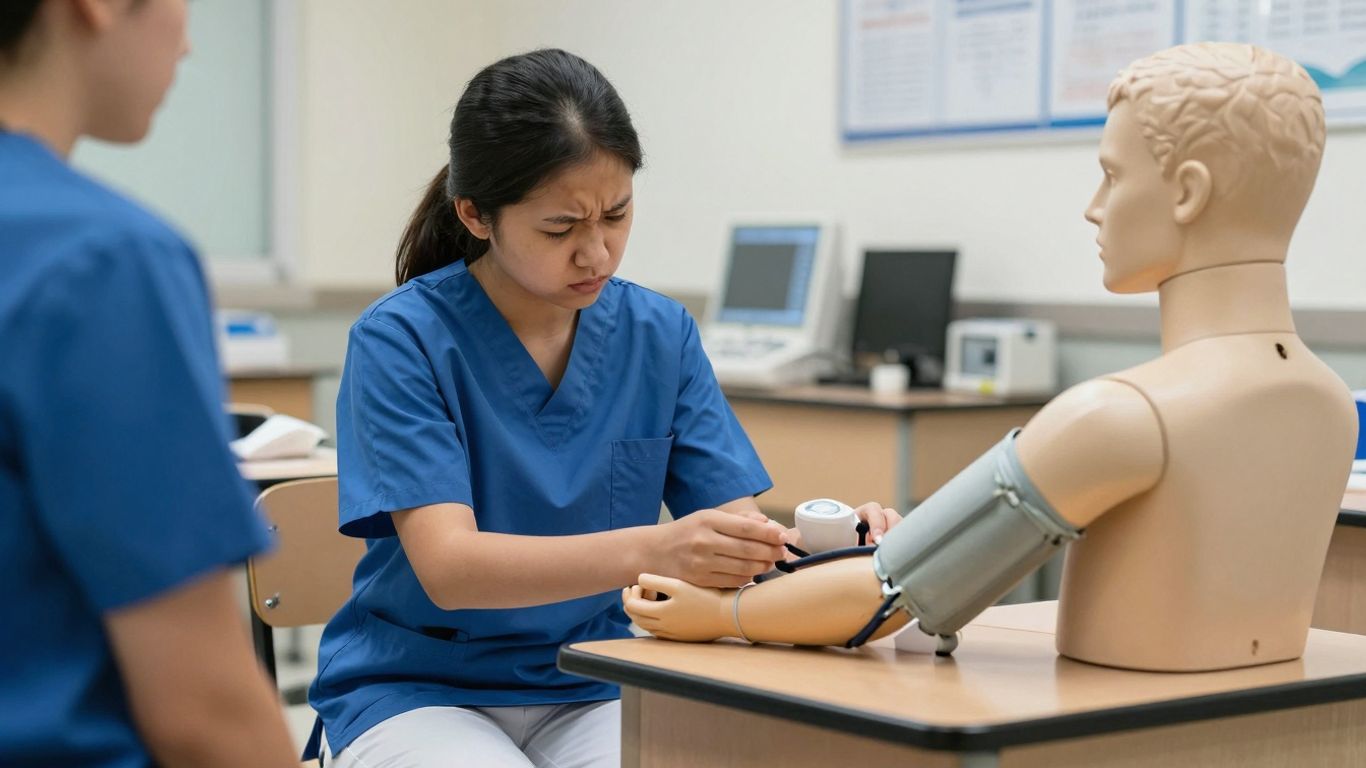
This is where things get really interesting and, honestly, where you’ll learn the most. Classroom theory is one thing, but actually doing the tasks is another. CNA programs include hands-on training, often in a lab setting that mimics a real patient room. You’ll practice things like:
- Taking vital signs (temperature, pulse, blood pressure)
- Helping patients with daily activities like bathing, dressing, and eating
- Properly moving and positioning patients
- Basic wound care and dressing changes
- Recognizing and reporting changes in a patient’s condition
This practical part is where you really build your skills and confidence. It’s all about repetition and getting comfortable with patient care. Many programs also include clinical rotations at actual healthcare facilities, like nursing homes or hospitals. This gives you a taste of the real work environment and a chance to apply what you’ve learned under supervision. Getting this kind of experience is a big part of what makes CNA school worthwhile.
Preparing for State Certification Exams
At the end of your program, the big goal is to pass your state’s certification exam. CNA schools are designed with this exam in mind. The curriculum covers all the topics you’ll be tested on, and the hands-on training prepares you for the practical skills portion. Instructors will often review exam formats and give you practice tests. They want you to succeed, so they’ll guide you on how to approach the exam questions and demonstrate your skills effectively. Passing this exam is your ticket to becoming a certified nursing assistant and starting your career in healthcare. You can find more information about the requirements for becoming a CNA on state nursing boards.
CNA programs aim to equip you with both the knowledge and the practical abilities needed to provide safe and effective patient care. The blend of classroom learning and hands-on practice is key to preparing you for the demands of the role and for passing your certification exam.
Benefits of Choosing CNA Schools

So, you’re thinking about becoming a Certified Nursing Assistant (CNA)? That’s great! One of the first steps is usually enrolling in a CNA school, and there are some pretty good reasons why that’s a smart move. It’s a fast track into a field that’s always in need. Unlike some other careers that require years of schooling and a mountain of debt, CNA programs are typically much shorter and easier on the wallet.
Accelerated Entry into the Healthcare Workforce
Let’s be real, most of us want to start earning a living sooner rather than later. CNA schools are designed for exactly that. You can often complete a program in a matter of weeks or a few months, not years. This means you can get your foot in the door of the healthcare industry much faster than if you were pursuing a longer degree.
- Speed: Programs are short, often lasting only 4-12 weeks.
- Quick Job Readiness: You’ll be prepared for entry-level positions shortly after graduation.
- Immediate Impact: Start making a difference in people’s lives right away.
Affordable Education Compared to Other Medical Fields
When you look at the cost of education, CNA programs really stand out. Tuition fees are generally much lower than for nursing degrees or other allied health programs. Some facilities even offer training for free or at a very reduced cost, especially if you commit to working for them afterward. This makes it a really accessible option for many people.
| Program Type | Typical Cost Range |
|---|---|
| CNA Certificate | $500 – $2,500 |
| LPN Certificate | $1,000 – $5,000 |
| RN Associate Degree | $5,000 – $20,000+ |
| RN Bachelor’s Degree | $10,000 – $50,000+ |
Job Security in an Essential Industry
Healthcare is one of those fields that’s pretty much recession-proof. People will always need care, especially with an aging population. This means that CNAs are in high demand across various settings – hospitals, nursing homes, assisted living facilities, and even in-home care. Once you’re certified, you’ll likely find that job opportunities are plentiful, giving you a good sense of security in your career choice.
The demand for CNAs is projected to grow steadily. This isn’t just a temporary trend; it’s a long-term need driven by demographic shifts and the ongoing requirement for quality patient care.
Choosing a CNA school isn’t just about getting a certificate; it’s about opening doors to a stable and rewarding career path with relatively low barriers to entry.
Maximizing Your CNA School Experience
So, you’re thinking about CNA school. That’s great! But once you’re in, how do you make sure you’re getting the absolute most out of it? It’s not just about showing up; it’s about being smart with your time and resources. Let’s break down how to really make your CNA training count.
The Importance of Hands-On Clinical Training
Look, reading about how to help someone bathe or take their temperature is one thing. Actually doing it, with real people under supervision? That’s where the magic happens. Clinical training is your chance to take everything you learned in the classroom and put it into practice. You’ll be practicing skills like assisting patients with daily living activities, monitoring vital signs, and helping with meals. This practical experience is what truly prepares you for the real job and helps you feel confident. It’s also where you’ll start to develop that bedside manner that patients really appreciate.
Leveraging Additional Student Support Resources
Most schools offer more than just classes. Think about career services – they can help you with your resume and even practice interview questions. Some schools have extra labs or tutoring available if you’re struggling with a particular topic. Don’t be shy about asking for help! These resources are there for a reason, and using them can make a big difference in your success, both in school and when you start looking for a job.
Selecting a CNA School with a Strong Reputation
When you’re picking a school, don’t just go with the first one you find. Do a little digging. What’s their track record? Do graduates find jobs easily? A school with a good reputation often means they have solid connections with local healthcare facilities and a curriculum that’s well-respected. It’s worth spending a bit of extra time to find a place that has a history of helping students succeed.
Choosing the right CNA program isn’t just about getting a certificate; it’s about building a foundation for a career. Paying attention to the details, like the quality of clinical training and the support services offered, can set you up for long-term success in the healthcare field.
CNA School as a Stepping Stone
Advancing to Licensed Practical Nurse (LPN) Roles
Think of your CNA training as the first step on a much bigger ladder in healthcare. It’s a way to get your foot in the door and start gaining real experience without committing to years of schooling right away. Many CNAs find that after working for a while, they want to take on more responsibility and learn more advanced skills. This is where pursuing an LPN license comes in. LPN programs build upon the basic knowledge you gained as a CNA, teaching you more about patient care, administering medications, and working more independently under the supervision of a doctor or RN. It’s a natural progression for many who discover a passion for patient care.
Transitioning to Registered Nurse (RN) Programs
If you’re aiming even higher, the CNA path can also lead you toward becoming a Registered Nurse (RN). RN programs are more in-depth, covering a wider range of medical knowledge and critical thinking skills. Your experience as a CNA gives you a significant advantage when you apply to and start an RN program. You’ll already be familiar with the healthcare environment, patient interactions, and basic medical procedures. This prior experience can make the coursework feel more manageable and help you connect the dots between theory and practice more easily. Many RN programs even offer pathways or credit for prior healthcare experience, potentially shortening your overall time to become an RN.
Exploring Specialized Healthcare Certifications
Beyond LPN and RN roles, your CNA certification can also be a launchpad for various specialized certifications. These can add new skills to your resume and open up different job opportunities. For example, you might consider becoming a medication aide, which allows you to administer certain medications under supervision. Other options include certifications in phlebotomy (drawing blood), EKG (electrocardiogram) technology, or becoming a patient care technician (PCT). These specialized roles often require additional training, but your foundational CNA knowledge makes learning these new skills much simpler. It’s a great way to diversify your career options within the healthcare field without starting completely from scratch.
- Phlebotomy Technician: Focuses on drawing blood samples for testing.
- EKG Technician: Specializes in performing electrocardiograms to monitor heart activity.
- Medical Assistant: Provides administrative and clinical support in doctor’s offices and hospitals.
- Medication Aide: Administers medications in certain healthcare settings.
Your CNA certification is more than just a job title; it’s a versatile foundation. It provides practical experience and a solid understanding of patient care, making it an excellent starting point for a variety of rewarding career paths within the healthcare industry. Don’t underestimate the power of this initial step in building a long and fulfilling career.
Navigating CNA Training Challenges
So, you’re thinking about becoming a CNA. That’s awesome! But let’s be real, jumping into any new training program, especially one in healthcare, isn’t always a walk in the park. CNA school comes with its own set of hurdles, and knowing about them beforehand can make a big difference.
Balancing Coursework with Personal Obligations
Many people pursuing CNA training are already juggling a lot. You might have a job, family responsibilities, or other commitments. It’s tough to fit in classes, study time, and clinical hours when life is already busy. Finding a way to manage your time effectively is key. This often means making some sacrifices, like cutting back on social events or finding reliable childcare. Some programs offer flexible schedules, like evening or weekend classes, which can be a lifesaver for those with daytime obligations.
Preparing for the Physical Demands of the Role
Being a CNA is not just about knowing the medical stuff; it’s also physically demanding. You’ll be on your feet for long periods, lifting and moving patients, and assisting them with daily tasks like bathing and dressing. It’s important to be prepared for this. Think about your own physical fitness and how you can build stamina. Simple things like regular exercise and stretching can help your body adjust.
Maintaining Well-being During Intensive Training
CNA programs can be intense. There’s a lot of information to absorb, and the clinical rotations can be long and sometimes stressful. It’s easy to feel overwhelmed. Making sure you’re taking care of yourself is super important. This means getting enough sleep, eating well, and finding ways to de-stress. Don’t be afraid to reach out for support from classmates, instructors, or even friends and family. Remember, you’re not alone in this.
It’s easy to get caught up in the coursework and clinicals, but don’t forget about yourself. Your well-being directly impacts your ability to learn and perform well, both in school and in your future career.
Strategic Considerations for CNA School Selection
So, you’re thinking about becoming a Certified Nursing Assistant. That’s great! But before you jump into the first program you find, let’s talk about picking the right school. It really matters, and a little planning now can save you a lot of hassle later.
The Advantages of Local CNA School Enrollment
One big thing to think about is location. Picking a school that’s close to home can make a huge difference. Think about it: less time commuting means more time for studying, working, or just relaxing. Plus, you get to keep your usual support system of friends and family nearby, which is pretty important when you’re going through a training program. It just makes life a bit simpler, you know?
Building Professional Networks Through Training
While you’re in school, you’ll meet people. Instructors, classmates, and maybe even people at the places where you do your clinical practice. These connections can be super helpful down the road when you’re looking for a job. It’s like building your own little Rolodex of healthcare contacts. Sometimes, local schools have ties to nearby hospitals or care centers, which can open doors.
Evaluating Program Flexibility and Schedules
Life doesn’t stop just because you’re going to school. Many CNA programs understand this. Look for schools that offer different class times – maybe evenings or weekends. This way, you can fit your education around your existing job or family responsibilities. It’s all about finding a program that works with your life, not against it.
Here’s a quick look at what to consider:
- Location: How far is the commute? Will it add a lot of stress?
- Schedule: Do they offer classes that fit your availability (day, evening, weekend)?
- Reputation: What do past students say? Do they have good job placement rates?
- Support Services: Do they offer help with resumes, interviews, or finding a job after you graduate?
Choosing the right CNA school isn’t just about getting a certificate; it’s about setting yourself up for success in a new career. Take your time, do your homework, and find a program that feels like the right fit for you.
So, Are CNA Schools Worth It?
Look, getting into healthcare can feel like a big deal, and figuring out where to start is tough. But when you break it down, CNA programs really do offer a solid path. They’re usually quick, don’t cost a fortune compared to other medical training, and get you right into a field that’s always looking for people. Plus, it’s a great way to see if healthcare is really for you, or even a stepping stone to becoming a nurse or something else down the line. If you’re looking for a way to start helping people and build a stable future without years of school, then yeah, a CNA program is probably a good bet.
Frequently Asked Questions
What exactly is a CNA program and why might it be a good choice?
A CNA program teaches you the basics of caring for patients. It’s a great way to start a career in healthcare because it’s usually quick to finish and doesn’t cost as much as other medical training. Plus, there’s a big need for CNAs, so finding a job is often easier.
What will I learn in CNA school?
You’ll learn important things in class, like how the body works and how to keep patients safe. Then, you’ll get hands-on practice in places like hospitals or nursing homes. This means you’ll learn how to take vital signs, help patients with daily tasks, and communicate with them.
How long does it take to finish CNA school?
Most CNA programs are pretty short. You can often finish them in just a few weeks to a few months, which means you can start working and earning money much faster than with other healthcare careers.
Can I get a better job after being a CNA?
Yes! Being a CNA is a fantastic starting point. Many people use their CNA experience to move on to become a Licensed Practical Nurse (LPN) or even a Registered Nurse (RN). It’s like a stepping stone to more advanced roles in healthcare.
Is CNA training hard to balance with other life stuff?
It can be challenging, especially if you’re working or have family to take care of. The classes can be a lot to learn, and the hands-on work can be tiring. It’s important to plan your time well and take care of yourself to get through it successfully.
How do I pick the right CNA school?
Look for schools that offer good hands-on training and have a solid reputation. It’s also helpful if the school is close to where you live, as this can make your commute easier and help you save time. Some schools also offer extra help with finding a job after you graduate.