So, you’re thinking about becoming a Certified Nursing Assistant, huh? It’s a job that really matters, helping people out when they need it most. You’ll be doing a lot, from helping folks with their everyday needs to keeping an eye on how they’re doing health-wise. To do a good job, you need a mix of skills, some you learn in classes and others you pick up along the way. Let’s break down a list of CNA skills that are super important for this career.
Key Takeaways
- Monitoring patient vital signs and documenting them accurately is a core duty.
- Assisting patients with daily living activities, like bathing and eating, requires patience and care.
- Good communication with patients, families, and the healthcare team is a must.
- Knowing infection control and basic emergency response keeps everyone safe.
- Being adaptable and showing empathy makes a big difference in patient care.
Essential Clinical Skills for CNAs
When you’re a Certified Nursing Assistant (CNA), the hands-on clinical skills you use every day are super important. These aren’t just tasks; they’re how you directly help patients and keep them safe. It’s all about being observant and knowing what to do.
Vital Signs Monitoring and Documentation
Keeping track of a patient’s vital signs is a big part of your job. This means checking things like temperature, pulse, respiration rate, and blood pressure. You need to know what’s normal and what might be a sign that something’s not right. Recording these numbers accurately is just as important as taking them. This information helps the nurses and doctors see how a patient is doing over time.
- Temperature: Usually taken orally, rectally, or under the arm.
- Pulse: Checking the heart rate by feeling for a pulse, typically in the wrist or neck.
- Respirations: Counting how many breaths a patient takes in a minute.
- Blood Pressure: Measuring the force of blood against the artery walls.
Activities of Daily Living (ADLs) Assistance
ADLs are the basic things people need to do to take care of themselves every day. As a CNA, you’ll help patients with these tasks, especially if they can’t do them on their own. This could be anything from helping someone get dressed to assisting with eating.
- Bathing and Hygiene: Helping patients with showers, baths, and keeping their personal care areas clean.
- Toileting: Assisting with using the restroom, including bedpans or commodes.
- Feeding: Helping patients eat their meals, whether they need assistance with utensils or just encouragement.
- Dressing: Helping patients put on and take off clothing.
Patient Hygiene and Mobility Support
Beyond basic ADLs, you’ll focus on keeping patients clean and helping them move around safely. Good hygiene helps prevent infections and keeps patients comfortable. Mobility support is about helping patients get out of bed, walk, or transfer to a chair, always with their safety in mind.
Being attentive to a patient’s comfort and dignity while assisting with hygiene and mobility is key. It’s not just about the physical task, but how you make the patient feel during the process.
- Bed Baths: Providing a clean and comfortable bath for patients who are bedridden.
- Oral Care: Assisting with brushing teeth or cleaning dentures.
- Repositioning: Helping patients change positions in bed to prevent pressure sores.
- Ambulation: Assisting patients with walking, using walkers or canes if needed.
Communication and Interpersonal Skills
Being a CNA isn’t just about the physical tasks; it’s a lot about how you connect with people. You’re often the person patients see most, and you’re the bridge between them, their families, and the rest of the healthcare team. Good communication means making sure everyone is on the same page and that patients feel heard.
Effective Patient and Family Communication
Talking with patients and their families can be tricky. People are often stressed, scared, or in pain. Your job is to be clear, calm, and respectful. This means listening more than you talk sometimes. You need to explain things simply, without using confusing medical words. It’s also about picking up on what people aren’t saying – their body language, their tone of voice. When you can do that, you can better understand their needs and fears.
Here are a few things to keep in mind:
- Listen actively: Really pay attention to what the patient or family member is saying, not just waiting for your turn to speak.
- Speak clearly and simply: Avoid medical jargon. Use everyday language.
- Be patient: Give them time to express themselves. Don’t rush the conversation.
- Observe non-verbal cues: Notice body language, facial expressions, and tone of voice.
Teamwork and Collaboration with Healthcare Staff
No CNA works alone. You’re part of a bigger team – nurses, doctors, therapists, and other CNAs. Sharing information accurately and on time is super important. If you notice something different about a patient, you need to tell the nurse right away. This isn’t just about following orders; it’s about working together to give the best care possible. Think of it like a well-oiled machine; every part has to do its job for the whole thing to run smoothly.
Empathy and Compassionate Care Delivery
This is where the ‘care’ in healthcare really comes in. Patients are often at their lowest points. They might be feeling lonely, frustrated, or just plain unwell. Showing that you understand and care makes a huge difference. It’s about putting yourself in their shoes, even for a moment. This doesn’t mean you have to be sad with them, but you can show you recognize their struggle and are there to help make things a little easier. It’s the human touch that can really help someone heal.
Being a CNA means being a good listener, a clear communicator, and a kind presence. These skills help build trust and make patients feel more comfortable and safe during their time in care. It’s about treating everyone with dignity, no matter what.
Safety and Emergency Preparedness
When you’re a CNA, knowing how to keep people safe and what to do when things go wrong is a really big deal. It’s not just about knowing the basics; it’s about being ready. This means understanding how to stop germs from spreading and how to handle emergencies, big or small.
Infection Control and Prevention Protocols
Keeping patients and yourself safe from infections is a top priority. This involves a set of practices designed to stop germs from spreading. Think of it as building a shield around everyone in the facility. It’s about more than just washing your hands, though that’s super important. It includes using personal protective equipment (PPE) like gloves and masks when needed, cleaning and disinfecting equipment properly, and knowing how to handle waste safely. Following these protocols helps prevent outbreaks and keeps the healthcare environment as clean as possible.
- Hand Hygiene: Wash hands thoroughly before and after patient contact, after touching bodily fluids, and after removing gloves.
- Personal Protective Equipment (PPE): Use gloves, gowns, masks, and eye protection as indicated by the situation and facility policy.
- Environmental Cleaning: Disinfect surfaces and equipment regularly to eliminate potential pathogens.
- Safe Waste Disposal: Properly manage and dispose of contaminated materials according to guidelines.
Understanding and strictly adhering to infection control measures is not just a procedural step; it’s a fundamental aspect of patient advocacy and safety. It requires constant vigilance and a commitment to best practices in every interaction.
First Aid and Basic Life Support (BLS)
Sometimes, emergencies happen, and you might be the first person there. Having training in First Aid and Basic Life Support (BLS) means you can step in and help until more advanced medical help arrives. This training covers how to respond to common emergencies like choking, severe bleeding, or someone having a heart attack. Knowing CPR and how to use an AED can literally save a life. It’s about staying calm and knowing the right steps to take to stabilize a patient and provide immediate care. Many facilities require CNAs to have current BLS certification, and it’s a skill that gives you confidence in critical moments. You can find courses through organizations like the American Red Cross to get certified in Basic Life Support.
Emergency Response and Crisis Management
Beyond immediate first aid, CNAs need to be aware of broader emergency plans. This includes knowing evacuation procedures for fires or other disasters, understanding how to report emergencies, and recognizing signs of a patient in distress that might indicate a larger crisis. It’s about being prepared for the unexpected and knowing your role within the facility’s overall emergency response plan. This preparedness helps ensure that everyone, including patients who may be vulnerable, is kept as safe as possible during a difficult situation.
Documentation and Record-Keeping
Keeping good records is a big part of being a CNA. It’s not just about writing things down; it’s about making sure the right people have the right information to give patients the best care possible. Think of it like this: every note you make is a piece of a puzzle that helps doctors and nurses see the whole picture of a patient’s health.
Accurate Charting and Medical Records
When you’re a CNA, you’ll spend time documenting a lot of what you do. This includes things like:
- When you helped a patient with their meals or personal care.
- How much fluid a patient took in or put out.
- Any changes you notice in a patient’s mood or physical state.
- Vital signs you’ve taken, like temperature, pulse, and blood pressure.
Accurate charting means being specific and objective. Instead of writing "patient seemed sad," you might note "patient reported feeling lonely and cried during visit." This level of detail helps the healthcare team understand what’s really going on. It’s also important to record things promptly. Waiting too long can lead to forgetting important details or making mistakes. You’ll want to get familiar with the charting system your facility uses, whether it’s electronic or paper-based. This is a key part of your role in patient care [148c].
Understanding Medical Terminology
Healthcare has its own language, and as a CNA, you’ll need to learn some of it. Knowing medical terms helps you understand what you’re reading in charts and what doctors and nurses are telling you. It also helps you communicate more clearly. You don’t need to be a doctor, but understanding common abbreviations and terms related to conditions, treatments, and body parts is super helpful.
Here are a few examples of terms you might encounter:
- BP: Blood Pressure
- HR: Heart Rate
- SOB: Shortness of Breath
- ROM: Range of Motion
- NPO: Nothing by Mouth
Using the correct terms in your documentation, when appropriate, shows you’re paying attention and understand the patient’s situation. It also helps prevent misunderstandings that could affect patient safety.
Keeping records isn’t just busywork. It’s a legal requirement and a vital part of patient safety. Every entry you make contributes to a continuous record of care, helping to coordinate efforts and track progress over time. It’s a responsibility that requires focus and attention to detail.
Critical Thinking and Problem-Solving

Being a CNA isn’t just about following instructions; it’s about thinking on your feet. You’ll often be the first to notice when something isn’t quite right with a patient. That’s where critical thinking comes in. It means looking at what’s happening, figuring out what it might mean, and deciding what to do next. This ability to assess situations and act appropriately is key to providing safe and effective care.
Identifying and Addressing Patient Issues
Patients can’t always tell you what’s wrong. They might be in pain, confused, or just not feeling themselves. Your job is to observe them closely. Are they restless? Is their breathing different? Are they refusing food? These are all clues. You need to connect these observations to potential problems. For example, a patient who suddenly becomes withdrawn might be experiencing pain or depression. You’ll need to figure out the best way to help, whether it’s adjusting their position, offering a drink, or letting the nurse know.
Here are some common patient issues you might encounter and how to approach them:
- Sudden changes in behavior: A normally calm patient becoming agitated could signal pain, fear, or a medical issue. Try to find the cause and report it.
- Discomfort: Patients might complain of pain, itching, or feeling too hot or cold. Your role is to try and alleviate this discomfort within your scope of practice or report it.
- Mobility problems: A patient struggling to move or balance needs careful assistance to prevent falls.
- Changes in appetite or fluid intake: A sudden drop in eating or drinking can be a sign of illness.
Sometimes, the simplest observation can lead to a significant discovery. Don’t dismiss small changes; they can be early indicators of larger problems.
Adapting to Changing Patient Conditions
Healthcare is rarely predictable. A patient’s condition can change quickly, and you need to be ready to adjust. This might mean a change in their care plan, a need for more immediate attention, or even a shift in your own tasks for the day. For instance, if a patient you’re helping suddenly feels dizzy, you need to stop, help them sit down, and alert the nursing staff right away. You can’t just keep going as if nothing happened. Being flexible means you can handle these unexpected moments without getting flustered. It’s about being able to re-evaluate the situation and modify your actions to meet the patient’s current needs. This skill is especially important in fast-paced environments like an ICU, where quick thinking can make a big difference in patient outcomes.
Personal Attributes for CNA Success
Patience and Flexibility in Care
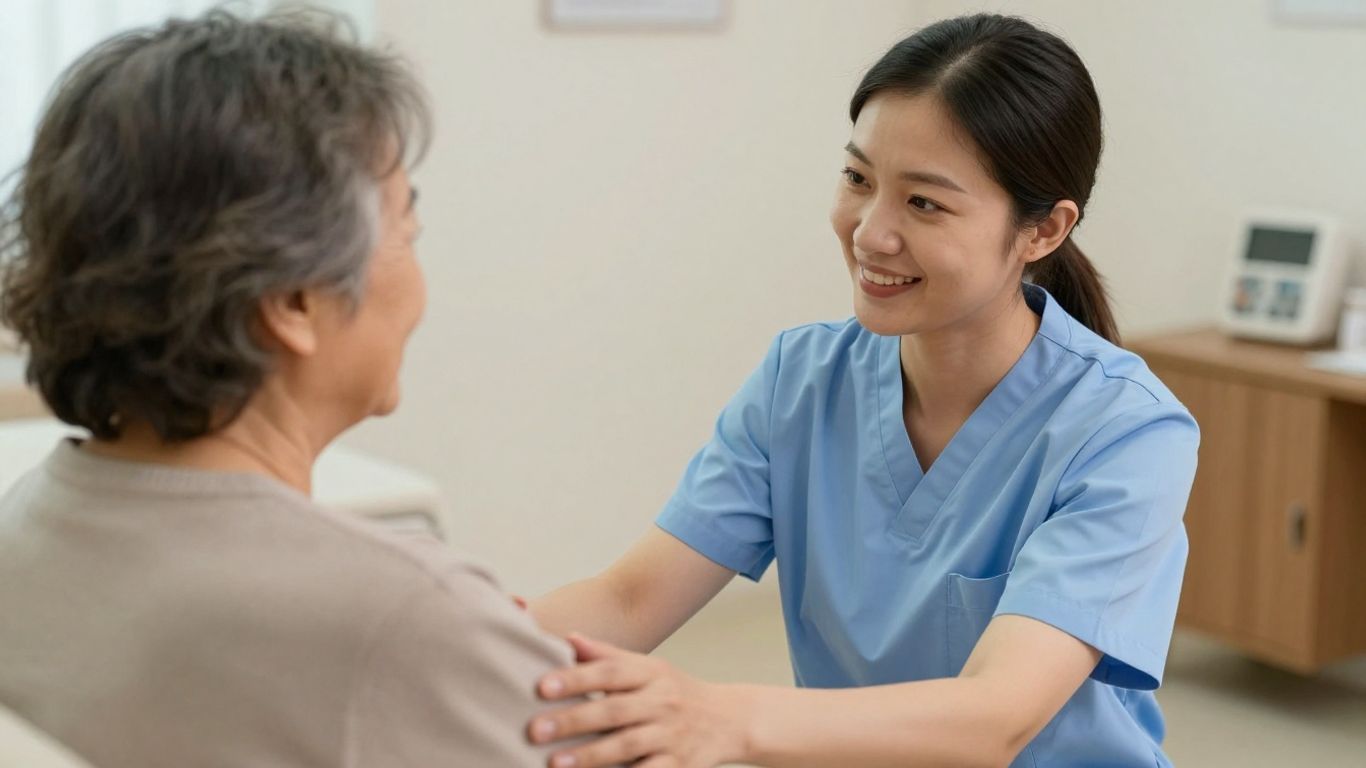
Working as a CNA means you’ll be interacting with people on some of their toughest days. Some folks might be having a bad day, feeling grumpy, or just not understanding what’s happening. That’s where patience really comes in. You can’t rush someone who’s confused or in pain. It’s about taking a deep breath and working with them at their pace, making sure they feel heard and cared for, not rushed out the door. Flexibility is just as big. What works for one person might totally flop with another. You have to be ready to switch gears, try a different approach, or just roll with whatever the day throws at you. One minute you might be helping someone eat, the next you’re assisting with a transfer, and then suddenly there’s an emergency. Being able to adapt without getting flustered is key.
Attention to Detail in Tasks
This job isn’t just about the big stuff; it’s the little things that often matter most. You’re the eyes and ears for the nurses and doctors, noticing those small changes in a patient’s condition. Did their skin color change slightly? Are they complaining of a new ache? Is their breathing different? Catching these details can make a real difference in a patient’s health outcome. It also applies to your charting – making sure you record vital signs accurately, note down what a patient ate, or document any concerns. Mistakes here, even small ones, can add up and affect the care plan.
Physical and Emotional Resilience
Let’s be real, being a CNA can be physically demanding. You’re on your feet a lot, lifting, bending, and moving patients. Your body needs to be up for the task. But it’s not just about physical strength. You’re also dealing with a lot of emotional situations. You’ll see people at their most vulnerable, sometimes in pain or distress, and you’ll be there for them. It’s important to be able to handle that without taking it all home with you. Finding ways to de-stress and recharge is super important so you can keep showing up as your best self for your patients every day. It’s a marathon, not a sprint, and you need to be prepared for the long haul.
Wrapping It Up
So, being a CNA is a pretty big deal. It’s not just about knowing how to take someone’s blood pressure or help them get dressed. You’ve got to be good with people, really pay attention to what’s going on, and be ready to jump in when things get tricky. It’s a job that asks a lot of you, but it also gives back a lot. Mastering these skills, both the hands-on stuff and the people skills, is what makes a CNA truly shine and helps patients get the best care possible. Keep learning and growing, and you’ll do great things.
Frequently Asked Questions
What are the most important skills for a CNA?
The most important skills for a CNA include being able to help patients with daily tasks like bathing and eating, taking their vital signs (like temperature and blood pressure), keeping things clean to stop germs from spreading, and communicating well with patients and the healthcare team. Being kind, patient, and observant are also super important.
Why is communication so important for CNAs?
CNAs are like the eyes and ears for the nurses and doctors. They spend a lot of time with patients, so they need to be able to clearly tell the healthcare team what the patient needs or if something seems wrong. They also need to talk kindly and clearly with patients and their families.
What does ‘Activities of Daily Living’ (ADLs) mean for a CNA?
ADLs are the basic things people need to do every day to take care of themselves. For a CNA, this means helping patients who can’t do these things alone. This includes things like bathing, dressing, eating, using the toilet, and moving around.
Why do CNAs need to know about infection control?
CNAs work closely with people who might be sick or have weaker immune systems. Knowing how to stop germs from spreading by washing hands, using protective gear, and keeping things clean is vital to protect both the patients and themselves from getting sick.
What is ‘critical thinking’ for a CNA?
Critical thinking means being able to notice when something isn’t quite right with a patient and figuring out what to do about it. For example, if a patient suddenly seems confused or in pain, a CNA needs to think quickly, assess the situation, and report it to the nurse right away.
Besides technical skills, what personal qualities make a good CNA?
Being a good CNA means having a lot of heart! You need to be patient, especially when patients are having a tough time. Being flexible helps you handle different situations and patient needs. Showing empathy, which is understanding and sharing someone else’s feelings, and being a good listener makes a huge difference in providing comforting care.