
Thinking about a career in nursing? It’s a field with so many paths, each one offering a chance to really help people. From the moment you start your training, you’re on a journey that mixes science with caring. As you move through your education, you’ll see how many different jobs there are in nursing, and each one has its own rewards. While helping others is the main point, it’s also good to know that nursing pays well. This article looks at some of the top nursing jobs and what they can pay. Your uh nursing journey can lead to a great career.
Key Takeaways
- Certified Registered Nurse Anesthetists (CRNAs) often earn the highest salaries, with national averages around $214,000.
- Advanced roles like Nurse Practitioners (NPs) and Nurse Midwives offer significant earning potential, typically ranging from $126,000 to $141,000.
- Specialized fields such as Neonatal Nurse Practitioner and Infectious Disease Nurse Practitioner provide competitive salaries, reflecting the demand for these skills.
- Pediatric Nurse Practitioners and Clinical Nurse Specialists also command strong salaries, indicating the value placed on specialized pediatric and clinical care.
- A career in uh nursing offers a wide array of specializations, each with its own educational requirements, responsibilities, and earning potential, allowing for a fulfilling and financially stable profession.
1. Certified Registered Nurse Anesthetist
A Certified Registered Nurse Anesthetist (CRNA) is one of the top advanced practice roles you can pursue if you’re interested in anesthesia care. CRNAs are the ones who handle anesthesia for surgeries and procedures across a range of settings—think hospitals, outpatient centers, even dental offices. This role not only comes with serious responsibility but is also recognized as one of the highest-paying nursing jobs, with average salaries topping $214,000 a year as of 2023.
Here’s what a typical path to becoming a CRNA can look like:
- Earn a Bachelor of Science in Nursing (BSN).
- Get licensed as a Registered Nurse (RN).
- Spend at least 1-3 years working in an intensive care or critical care unit (some even get special certifications to improve their odds).
- Enroll in a nurse anesthesia graduate program—these are either a master’s or doctoral degree.
- Pass the National Certification Examination for Nurse Anesthetists.
Here’s a quick salary breakdown by region for CRNAs in 2023:
| State | Average Annual Salary |
|---|---|
| Illinois | $281,240 |
| Massachusetts | $270,000+ |
| National Avg | $214,000 |
CRNAs take on a lot, from prepping patients and administering anesthesia to watching vital signs and supporting recovery. Their work is especially critical in rural and smaller hospital settings. And if you’re thinking about job prospects—let’s just say they’re strong, because the demand for anesthesia care keeps on growing.
Working as a CRNA means you’ll need sharp skills, focus, and the ability to act quickly, but for those who want a high-impact role, it’s rewarding both financially and in terms of real influence on patient care.
2. Aesthetic Nurse Practitioner
So, you’re thinking about a career that blends healthcare with a touch of artistry? That’s where the Aesthetic Nurse Practitioner (NP) comes in. These professionals focus on helping people look and feel their best through cosmetic procedures. It’s a field that’s really taken off, with more people interested in non-surgical ways to enhance their appearance.
Aesthetic NPs perform a variety of treatments, from injectables like Botox and fillers to laser therapies and chemical peels. They also spend a good amount of time consulting with patients, figuring out what they want to achieve, and recommending the best skincare routines. It’s not just about the procedures; it’s about building that patient relationship and providing ongoing care.
To get into this specialty, you’ll need to start with your Registered Nursing (RN) degree, pass the NCLEX-RN, and then gain some solid experience. After that, it’s on to a Master of Science in Nursing (MSN) or a doctoral degree with a Nurse Practitioner focus. Specialized training in aesthetic procedures is also a must. It’s a path that requires dedication, but the rewards can be significant.
Here’s a general idea of the steps involved:
- Complete a BSN or ADN program.
- Pass the NCLEX-RN exam.
- Gain clinical experience, perhaps in dermatology or plastic surgery.
- Earn an MSN or DNP degree with an NP specialization.
- Obtain national NP certification and state licensure.
- Complete specific aesthetic procedure training.
The demand for aesthetic services is growing, and with it, the need for skilled Aesthetic Nurse Practitioners. This role offers a unique opportunity to combine clinical skills with a passion for aesthetics, making a tangible difference in patients’ confidence and well-being.
It’s a field that’s constantly evolving with new techniques and technologies, so continuous learning is key. If you’re looking for a dynamic career where you can help people feel more confident, becoming an Aesthetic Nurse Practitioner might be the perfect fit. You can find more information on nursing careers by looking into Certified Nursing Assistant programs to get your foot in the door.
3. Neonatal Nurse Practitioner
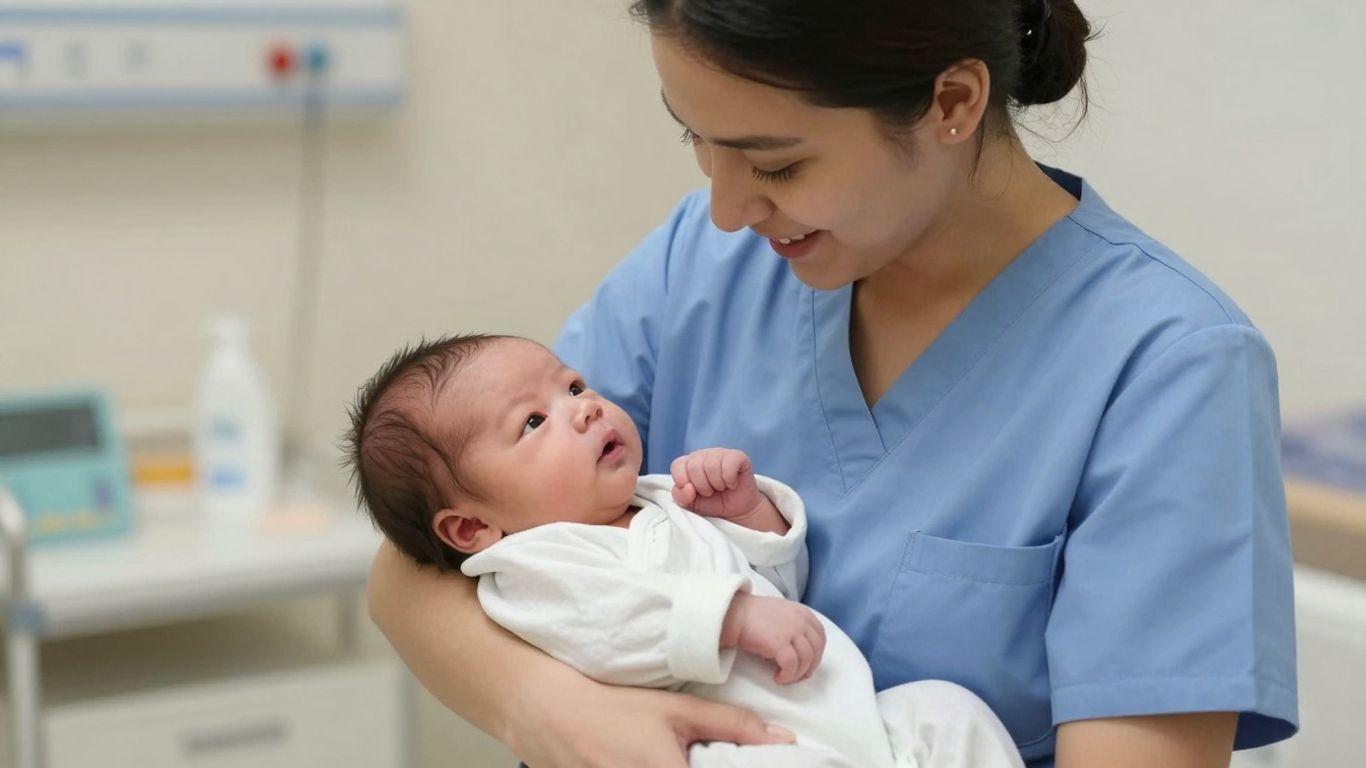
Neonatal Nurse Practitioners (NNPs) are specialized nurses who focus on the care of newborn babies, especially those who are premature or have serious health issues. It’s a really demanding but incredibly rewarding field. These nurses work in Neonatal Intensive Care Units (NICUs), where they monitor tiny patients, manage complex equipment, and often act as a crucial support system for stressed families.
NNPs play a vital role in the survival and healthy development of the most vulnerable patients. They’re responsible for everything from administering medications and performing delicate procedures to educating parents on how to care for their fragile infants.
Here’s a look at what goes into becoming an NNP:
- Education: You’ll need a Bachelor of Science in Nursing (BSN) and an RN license first. Then, you’ll pursue a Master of Science in Nursing (MSN) or a Doctor of Nursing Practice (DNP) with a neonatal specialization.
- Experience: Gaining experience as a registered nurse, particularly in pediatrics or neonatal care, is usually a requirement before entering an advanced practice program.
- Certification: After completing your advanced degree, you’ll need to pass a national certification exam to become an NNP.
The job outlook for NNPs is quite strong. With advancements in medical technology allowing more premature babies to survive, the need for highly skilled neonatal care providers continues to grow. You can find opportunities in hospitals and specialized care centers, often working closely with neonatologists and other specialists. This career path offers a chance to make a profound difference in the lives of infants and their families, providing critical care during the earliest, most fragile stages of life. If you have a passion for caring for newborns and a knack for high-stakes situations, this could be the path for you. Many advanced practice registered nurses find fulfilling careers in this area, and the demand for these specialized skills is projected to increase significantly over the next decade. You can explore various nurse practitioner positions, like those requiring a Master’s degree in nursing.
Working as an NNP means you’re on the front lines of infant critical care. It requires a deep well of knowledge, steady hands, and a lot of compassion. You’ll be dealing with complex medical situations daily, but the impact you have on these tiny lives is immeasurable.
4. Infectious Disease Nurse Practitioner

Infectious Disease Nurse Practitioners are on the front lines, tackling some of the most complex health challenges we face. They’re the experts who diagnose, treat, and help prevent illnesses caused by bacteria, viruses, fungi, and other nasty bugs. Think about it – with new diseases popping up and old ones making a comeback, these nurses are super important for keeping communities healthy.
What do they actually do day-to-day? Well, it’s a mix of things. They’ll see patients, figure out what’s going on, and order tests to confirm it. Then comes the treatment plan, which might involve prescribing medication or other therapies. They also spend a good chunk of time educating patients and even other healthcare workers on how to stop infections from spreading in the first place. It’s a big responsibility, and they often work in places like hospitals, clinics, and even research settings.
Here’s a general idea of the path to becoming one:
- Earn your Bachelor of Science in Nursing (BSN).
- Pass the NCLEX-RN to become a registered nurse.
- Get some solid clinical experience, ideally in areas related to infectious diseases.
- Complete a Master of Science in Nursing (MSN) or Doctor of Nursing Practice (DNP) with a focus on infectious diseases.
- Pursue relevant certifications, which can really make you stand out.
The role of an Infectious Disease Nurse Practitioner is vital in managing outbreaks and preventing the spread of illness. Their specialized knowledge helps protect vulnerable populations and maintain public health infrastructure.
The job outlook for these professionals is really strong. The U.S. Bureau of Labor Statistics projects a significant growth in nurse practitioner roles, and with the ongoing need for expertise in infectious diseases, these NPs are in high demand. This specialty offers a chance to make a real difference, especially when you consider the impact of public health crises and the constant need for infection control.
5. Psychiatric Nurse Practitioner
Psychiatric Nurse Practitioners, often called PMHNPs, are a really important part of mental healthcare. They focus on folks dealing with mental health issues, which can range from everyday anxiety and depression to more complex conditions like PTSD or schizophrenia. It’s a field that’s seen a lot of growth, and honestly, it makes sense why. More people are talking about mental health, and we need skilled professionals to help.
So, what exactly do they do day-to-day? Well, they’re the ones who can diagnose mental health conditions. They figure out what’s going on, and then they can create a treatment plan. This often involves prescribing medication, but it’s not just about pills. They also spend time educating patients and their families about the condition and how to manage it. Sometimes, they’ll order blood tests to keep an eye on medication levels, which is pretty standard. They also work with doctors and other healthcare providers to make sure everyone’s on the same page.
Here’s a quick look at the path to becoming one:
- First, you need a Bachelor of Science in Nursing (BSN).
- Then, you’ll get your RN license by passing the NCLEX-RN.
- After that, it’s on to a Master of Science in Nursing (MSN) or a Doctor of Nursing Practice (DNP) program, with a specific focus on psychiatric nursing.
- Finally, you’ll need to get board certified, usually through the American Nurses Credentialing Center (ANCC).
The job outlook for PMHNPs is pretty strong. We’re talking about a projected growth of around 46% between 2023 and 2033. That’s a big jump, and it shows just how much need there is for these professionals.
Working as a Psychiatric Nurse Practitioner means you’re directly impacting people’s lives in a profound way. It requires a blend of clinical skill, empathy, and a solid understanding of human behavior. It’s a challenging but incredibly rewarding career path for those drawn to helping others navigate their mental well-being.
6. Nurse Midwife
Becoming a nurse midwife means you’ll be focusing on women’s health, specifically during pregnancy, childbirth, and the postpartum period. It’s a role that involves a lot of direct patient care, building relationships, and supporting families through a really significant life event.
Nurse midwives provide a range of services, including:
- Routine gynecological check-ups and family planning advice.
- Comprehensive prenatal care, monitoring the health of both mother and baby.
- Labor and delivery support, often in hospital settings or birthing centers.
- Postpartum care, helping new mothers recover and adjust.
The job outlook for certified nurse-midwives is quite strong, with projections showing significant growth in the coming years. This is partly due to an increasing demand for women’s health services, especially in areas where access might be limited. To become a certified nurse-midwife (CNM), you’ll typically need a Master of Science in Nursing (MSN) or a Doctor of Nursing Practice (DNP) degree, followed by passing a national certification exam. Many states require specific licensure, like an Ohio and/or Multi State Compact License, to practice.
This path is ideal for nurses who are passionate about advocating for women’s health and providing personalized, evidence-based care. It’s a career that offers deep personal satisfaction alongside professional growth.
If you’re interested in this specialty, you might want to look into the requirements for nurse midwife certification. It’s a rewarding career that allows you to make a real difference in the lives of women and their families.
7. Pediatric Nurse Practitioner
Working with kids is a special kind of calling, and if you’ve got that calling, becoming a Pediatric Nurse Practitioner (PNP) might be your perfect fit. PNPs are all about keeping young ones healthy, from tiny newborns all the way through their teenage years. You’ll be doing everything from routine check-ups and giving shots to figuring out what’s making a child sick and how to make them better. It’s a role that requires a lot of patience, a good dose of empathy, and the ability to connect with both children and their parents.
The demand for PNPs is really high, and it’s only expected to grow. This means more opportunities for you to make a real difference in the lives of children and families. You’ll be a key part of their healthcare journey, helping them manage everything from common colds to long-term conditions like asthma or diabetes. Plus, you get to educate families on how to keep their kids healthy and safe, which is pretty powerful stuff.
Here’s a general idea of what it takes to become a PNP:
- Complete your Bachelor of Science in Nursing (BSN).
- Become a licensed Registered Nurse (RN).
- Get some solid experience working as an RN, ideally with kids.
- Earn a Master’s or Doctorate degree with a focus on pediatric practice.
- Get certified as a PNP.
- Obtain your state license as an Advanced Practice Registered Nurse (APRN).
Pediatric nursing is a field where you can truly impact a child’s development and well-being. It involves not just treating illnesses but also focusing on prevention and education, ensuring that young patients have the best possible start in life. Building trust with children and their families is a big part of the job, making each day unique and rewarding.
Many PNPs work in doctor’s offices or clinics, but you’ll also find them in hospitals, especially in specialized units. Some PNPs even focus on specific areas within pediatrics, like oncology or cardiology. It’s a career path that offers a lot of variety and the chance to really specialize. If you’re looking for a way to combine your love for children with a fulfilling nursing career, exploring pediatric nursing programs is a great first step.
8. Clinical Nurse Specialist
Clinical Nurse Specialists, or CNSs, are a type of Advanced Practice Registered Nurse (APRN) who really get to sink their teeth into improving patient care. They’re not just about bedside care, though they do that too. CNSs are experts in a specific area, like pediatrics, oncology, or critical care. Think of them as consultants and leaders rolled into one. They use their deep knowledge to help other nurses, develop better care plans, and even influence hospital policies.
A CNS is an APRN with clinical expertise and leadership skills who works across various healthcare settings to specialize in a specific patient population, type of care, or clinical specialty. They often take on roles that involve education, research, and system improvement. It’s a role that requires a Master’s or Doctoral degree in nursing, and often, additional certification in their chosen specialty. The job outlook for APRNs, including CNSs, is quite strong, with projected growth that’s much faster than average for all occupations.
Here’s a general idea of what a CNS might do:
- Provide direct patient care within their specialty.
- Educate and mentor other nursing staff.
- Lead research projects to improve patient outcomes.
- Develop and implement new nursing protocols and best practices.
- Consult with healthcare teams on complex patient cases.
The path to becoming a CNS involves earning a BSN, getting licensed as an RN, gaining experience, and then completing a graduate degree (MSN or DNP) with a CNS focus. Certification in your specialty area is usually required, and you’ll need to keep up with continuing education to maintain your credentials. It’s a career that allows for significant impact on patient care and the nursing profession itself. You can find more information on how to become a Clinical Nurse Specialist here.
Salaries for CNSs can vary quite a bit, but they generally fall in a good range, often averaging around $128,000 annually, though this depends heavily on experience, location, and the specific healthcare facility. It’s a demanding but incredibly rewarding career for those who want to make a big difference in healthcare.
9. Cardiac Nurse Practitioner
Cardiac Nurse Practitioners, or CNPs, are a really important part of keeping hearts healthy. They’re Advanced Practice Registered Nurses (APRNs) who focus specifically on diagnosing, treating, and managing all sorts of heart conditions. Think heart disease, heart failure, and irregular heartbeats – they handle it all. These pros do everything from physical exams and ordering tests to prescribing medications and teaching patients how to prevent heart problems.
To become a Cardiac NP, you’ll need a solid educational background. It usually starts with a Bachelor of Science in Nursing (BSN), followed by a Master of Science in Nursing (MSN) with a cardiology focus. After that, you’ll need to get certified, often through something like the Cardiovascular Nurse Practitioner Certification (CVNP-BC). Plus, you’ll need to keep up with your state’s APRN license and do continuing education.
Here’s a quick look at what they do:
- Conduct thorough cardiovascular assessments.
- Interpret diagnostic tests like EKGs and echocardiograms.
- Develop and manage treatment plans for heart patients.
- Educate patients and families on heart health and disease management.
- Collaborate with cardiologists and other healthcare providers.
The job outlook for nurse practitioners, including those specializing in cardiology, is pretty bright. With an aging population and heart disease still a major health concern, the demand for these skilled professionals is expected to grow significantly. It’s a field where you can really make a difference in people’s lives, helping them manage serious conditions and improve their quality of life. You can find them working in hospitals, clinics, and even private practices, often playing a key role in cardiac health programs.
Working as a Cardiac Nurse Practitioner means you’re on the front lines of cardiovascular care. You’ll be using your advanced skills to help patients navigate complex heart conditions, making a tangible impact on their well-being and longevity. It’s a demanding but incredibly rewarding path for nurses passionate about cardiac health.
If you’re looking to get into healthcare, becoming a Certified Nursing Assistant (CNA) is a great first step that can lead to many other nursing roles down the line. CNAs gain valuable experience that can help shape your future career path.
10. General Nurse Practitioner
General Nurse Practitioners, often referred to as primary care NPs, are the backbone of everyday healthcare. They look after patients of all ages, focusing on keeping people healthy and managing common health issues. Think of them as your go-to medical professional for check-ups, minor illnesses, and ongoing health concerns.
These NPs are skilled in diagnosing and treating a wide range of conditions, prescribing medications, and providing important health education. They play a big role in preventive care, helping individuals make healthier choices to avoid future problems.
Here’s a look at what they typically do:
- Conduct thorough health assessments and physical exams.
- Diagnose acute and chronic illnesses.
- Develop and implement treatment plans.
- Prescribe medications and other therapies.
- Educate patients and families on health management and wellness.
- Refer patients to specialists when needed.
The path to becoming a General Nurse Practitioner usually involves:
- Earning a Bachelor of Science in Nursing (BSN).
- Completing a Master of Science in Nursing (MSN) or Doctor of Nursing Practice (DNP) with a primary care focus.
- Becoming certified through a recognized body like the ANCC or AANP.
- Obtaining state licensure as an Advanced Practice Registered Nurse (APRN).
Job prospects for NPs are really strong. The field is expected to see significant growth, meaning more opportunities for those looking to enter this rewarding profession. This demand is partly due to an increasing need for healthcare services and a shortage of physicians.
General Nurse Practitioners are key players in making healthcare accessible and effective for everyone. They provide continuous care, build relationships with their patients, and help manage health over the long term, which is pretty important for overall well-being.
Your Nursing Journey Starts Now
So, you’ve looked into the different paths nursing can take. It’s a field with a lot of room to grow, both in terms of helping people and, yeah, making a decent living too. Whether you’re just starting out or thinking about leveling up your career, there are tons of options. Remember, picking the right nursing program is just the first step. It’s about finding where you fit and what kind of impact you want to make. Good luck out there!
Frequently Asked Questions
What are the highest paying nursing jobs?
Some of the top-paying nursing jobs include Certified Registered Nurse Anesthetist, Aesthetic Nurse Practitioner, Neonatal Nurse Practitioner, and Psychiatric Nurse Practitioner. These roles often require advanced education and specialized skills, which leads to higher salaries.
How much do nurse practitioners make?
The salary for nurse practitioners can vary quite a bit depending on their specialty. For example, an Aesthetic Nurse Practitioner might earn around $141,000, while a Neonatal Nurse Practitioner could make about $138,000. Other nurse practitioner roles also offer competitive pay.
What education is needed to become a nurse anesthetist?
To become a Certified Registered Nurse Anesthetist (CRNA), you typically need to complete a master’s or doctoral program in nurse anesthesia. You’ll also need significant experience in critical care nursing before you can take the national certification exam.
Can nurses work from home?
Yes, absolutely! Many nurses can work remotely. There are jobs like nurse recruiters, clinical research nurses, and freelance nurse writers that allow you to work from home. Some of these roles might require a Bachelor of Science in Nursing (BSN) or a Master of Science in Nursing (MSN).
What’s the difference between an RN and an APRN?
A Registered Nurse (RN) provides direct patient care and coordinates care plans. An Advanced Practice Registered Nurse (APRN) has further education, usually a master’s degree, and specializes in roles like Nurse Practitioner, Nurse Midwife, Clinical Nurse Specialist, or Nurse Anesthetist. APRNs have a broader scope of practice.
Is nursing a rewarding career?
Nursing is incredibly rewarding! It’s a calling where you can truly make a difference in people’s lives. Besides the personal satisfaction of helping others, nursing also offers good pay, chances to move up in your career, and the opportunity to specialize in areas you’re passionate about.