Thinking about becoming a Certified Nursing Assistant (CNA) is a great career move. It’s a job where you can really make a difference in people’s lives every day. But first, you need to find the right place to get your training. Looking for CNA schools near me can feel like a big task, with so many options out there. This guide is here to help you figure out what to look for and what steps to take to get certified.
Key Takeaways
- Finding CNA schools near me involves looking at program accreditation, course content, and pass rates for the certification exam.
- CNA certification programs prepare you for various nursing roles, from general medical-surgical to specialized areas like pediatrics or gerontology.
- The CNA certification exam is a key step, and preparation resources are available to help you succeed.
- Once certified, you can use specific credentials after your name, showing your specialized knowledge.
- Certification is valid for five years and can be renewed through continuous learning or by retaking the exam.
1. Cardiovascular Nursing
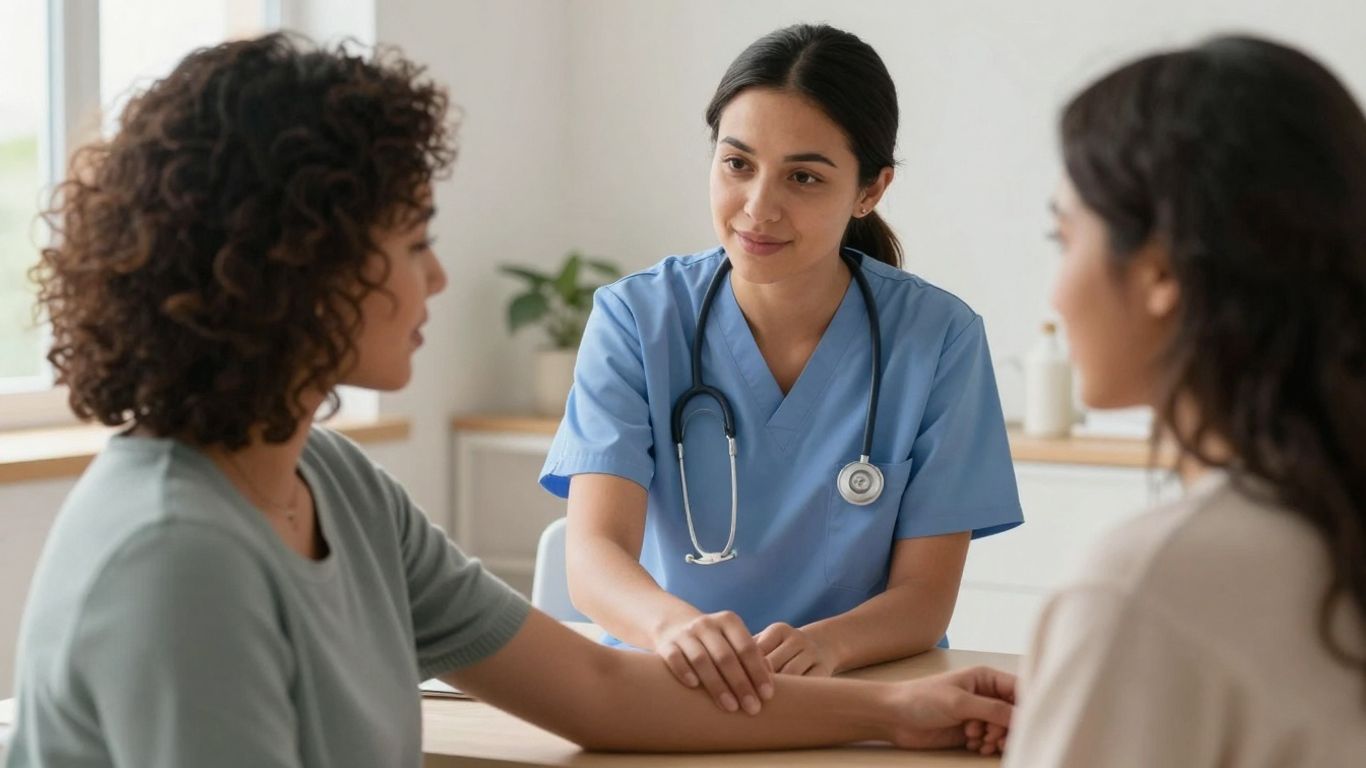
Cardiovascular nursing is a specialized field focused on caring for patients with heart and blood vessel conditions. It’s a pretty demanding area, but also incredibly rewarding. These nurses work with a wide range of issues, from congenital heart defects to heart failure and post-operative recovery after procedures like bypass surgery or valve replacements.
The core of cardiovascular nursing involves monitoring vital signs, administering medications, and assisting with diagnostic tests. Patients might be dealing with things like angina, arrhythmias, or hypertension. It requires a solid grasp of cardiac anatomy and physiology, as well as the ability to recognize subtle changes in a patient’s condition. You’ll often see these nurses in hospitals, cardiac care units, rehabilitation centers, and even in specialized clinics.
Here are some common conditions cardiovascular nurses manage:
- Coronary Artery Disease (CAD)
- Heart Failure (HF)
- Hypertension (High Blood Pressure)
- Arrhythmias (Irregular Heartbeats)
- Myocardial Infarction (Heart Attack)
- Congenital Heart Defects
Working in cardiovascular nursing means you’re on the front lines of a major health concern. It requires constant learning and a keen eye for detail. The technology and treatments in this field are always evolving, so staying updated is a big part of the job. It’s not just about the technical skills, though; it’s also about providing comfort and support to patients and their families during what can be a very frightening time.
2. Community Health Nursing
Community health nursing is a really important area where nurses work with groups of people, not just individuals, to keep them healthy. Think about it – instead of just treating someone when they’re sick, these nurses focus on preventing illness and promoting wellness across entire neighborhoods or populations. They might work in schools, public health departments, or even directly with community organizations.
The main goal is to improve the overall health of a community. This involves looking at things like access to healthcare, education about healthy lifestyles, and addressing social factors that affect well-being, like poverty or environmental issues. It’s a broad field, and CNAs can play a big part in it.
Here are some common activities in community health nursing:
- Educating people about disease prevention, like handwashing or safe sex practices.
- Organizing health screenings for things like blood pressure or diabetes.
- Connecting people with resources they need, such as food banks or mental health services.
- Working on public health campaigns, like vaccination drives.
Community health nursing is all about looking at the bigger picture of health. It’s about reaching out to people where they are and helping them stay healthy, rather than waiting for them to get sick and come to a clinic. It requires a good understanding of the community’s specific needs and challenges.
It’s a field that really makes a difference on a large scale. If you’re interested in public health and working with diverse groups, this could be a great path.
3. Critical Care Nursing
Working in critical care nursing means you’re on the front lines, caring for patients who are seriously ill or injured. These individuals often need constant monitoring and specialized medical attention. It’s a fast-paced environment where quick thinking and a calm demeanor are super important. You’ll be dealing with complex equipment and a wide range of conditions, from heart attacks to major trauma.
The core of critical care is about stabilizing patients and preventing further complications. It requires a deep knowledge of physiology and pharmacology, as well as the ability to anticipate problems before they arise. You’re not just administering medications; you’re interpreting complex data, collaborating with a whole team of doctors and specialists, and providing direct, hands-on care that can literally save lives.
Here are some common areas within critical care:
- Medical Intensive Care Unit (MICU): For patients with serious medical conditions like respiratory failure or sepsis.
- Surgical Intensive Care Unit (SICU): For patients recovering from major surgeries or experiencing surgical complications.
- Cardiovascular Intensive Care Unit (CVICU): For patients with severe heart conditions or after cardiac surgery.
- Neurological Intensive Care Unit (Neuro ICU): For patients with brain injuries, strokes, or other neurological emergencies.
- Pediatric Intensive Care Unit (PICU): For critically ill or injured children.
Being a critical care nurse is demanding, no doubt about it. You see people at their most vulnerable, and the stakes are always high. But the reward of making a real difference in someone’s most critical moments is pretty significant. It’s a specialty that really tests your skills and your heart.
4. Critical Care Pediatrics Nursing
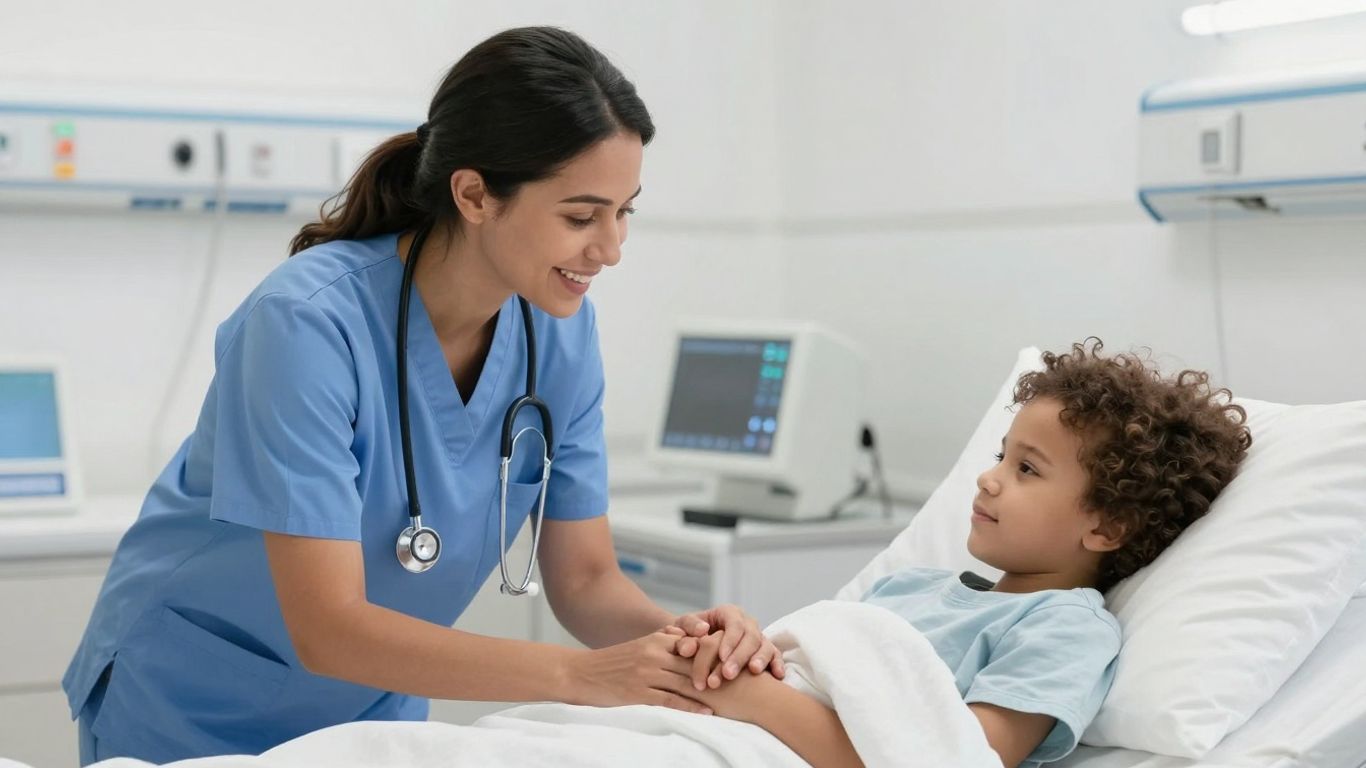
Working with critically ill children is a demanding but incredibly rewarding path in nursing. Critical care pediatrics focuses on the care of infants, children, and adolescents who are experiencing life-threatening conditions or injuries. These young patients might be dealing with severe trauma, complex congenital issues, or sudden illnesses that require constant monitoring and specialized interventions.
Nurses in this field need a unique blend of advanced clinical skills and a gentle, reassuring approach. They often work with sophisticated medical equipment, managing ventilators, cardiac monitors, and other life-support systems. It’s a high-stakes environment where quick thinking and precise actions can make a huge difference. The ability to assess subtle changes in a child’s condition is paramount.
Key responsibilities often include:
- Administering complex medications and therapies.
- Monitoring vital signs and patient responses to treatment.
- Collaborating closely with physicians, respiratory therapists, and other specialists.
- Providing emotional support to both the child and their family during stressful times.
- Educating families about the child’s condition and care plan.
This specialty requires a strong foundation in pediatric nursing, followed by specialized training and experience in a pediatric intensive care unit (PICU). Continuous learning is a must, as medical advancements and treatment protocols are always evolving. It’s a role that truly tests your knowledge and compassion, day in and day out.
5. Emergency Nursing
Working in emergency nursing means you’re on the front lines when things get serious. It’s a fast-paced environment where you deal with all sorts of medical crises, from minor injuries to life-threatening situations. You need to be quick-thinking, adaptable, and able to stay calm under pressure.
The core of emergency nursing is rapid assessment and intervention. This means you’re constantly evaluating patients, figuring out what’s most urgent, and starting treatment right away. It’s not just about treating the immediate problem; it’s also about stabilizing the patient and preparing them for further care, whether that’s admission to the hospital or discharge home.
Here are some common scenarios emergency nurses handle:
- Trauma cases (accidents, falls, burns)
- Cardiac emergencies (heart attacks, arrhythmias)
- Respiratory distress (asthma attacks, pneumonia)
- Neurological events (strokes, seizures)
- Acute medical conditions (appendicitis, diabetic emergencies)
- Mental health crises
It’s a demanding but incredibly rewarding field. You get to make a real difference when people are at their most vulnerable.
Emergency nurses often work with a variety of equipment and medications to stabilize patients. They need to be proficient in skills like starting IVs, administering oxygen, performing CPR, and managing airway support. Continuous learning is a must because medical advancements and protocols are always changing.
To become an emergency nurse, you’ll typically need to complete a nursing program and pass the NCLEX-RN exam. Many nurses also pursue specialized certifications, like the Emergency Nurse Certified (ENC) credential, to show their advanced knowledge and skills in this area. It’s a path that requires dedication, but the impact you can have is significant.
6. Gastroenterology Nursing
Gastroenterology nursing focuses on the care of patients with conditions affecting the digestive system. This includes everything from the esophagus and stomach to the intestines, liver, gallbladder, and pancreas. It’s a pretty specialized area, dealing with a wide range of issues like inflammatory bowel disease (IBD), ulcers, liver disease, and cancers of the digestive tract.
Nurses in this field often manage complex treatments and patient education. They might be involved in preparing patients for procedures like endoscopies or colonoscopies, monitoring them during and after, and helping them understand their diagnosis and treatment plan. It requires a good grasp of anatomy, physiology, and the various medications used to treat these conditions.
Here are some common areas within gastroenterology nursing:
- Digestive Tract Disorders: Managing conditions like Crohn’s disease, ulcerative colitis, irritable bowel syndrome (IBS), and celiac disease.
- Liver and Biliary System Issues: Caring for patients with hepatitis, cirrhosis, gallstones, and pancreatitis.
- Endoscopic Procedures: Assisting with and monitoring patients undergoing diagnostic and therapeutic procedures like upper GI endoscopies, colonoscopies, and ERCPs.
- Nutritional Support: Educating patients on dietary changes and managing feeding tubes or other nutritional interventions.
It’s a field where you really get to see the impact of diet and lifestyle on health, and helping patients manage chronic conditions can be very rewarding. You’ll often find yourself explaining complicated medical information in a way that makes sense to people who are feeling pretty unwell.
Working in gastroenterology means you’re often dealing with patients who have long-term health problems. It’s not just about treating the immediate issue, but also about helping them live better with their condition day-to-day. This involves a lot of patient teaching and support.
7. Gerontology Nursing
Gerontology nursing is all about caring for older adults. It’s a field that’s growing fast because more people are living longer, which is great, but it also means there are more health issues that come with age. These nurses focus on promoting health, preventing diseases, and managing conditions common in seniors.
This specialty requires a deep appreciation for the unique physical, psychological, and social needs of the aging population. It’s not just about treating illnesses; it’s about helping older adults maintain their independence and quality of life for as long as possible. This can involve everything from managing chronic conditions like diabetes or heart disease to helping with mobility issues and cognitive changes.
Here are some key areas gerontology nurses focus on:
- Chronic Disease Management: Helping patients manage conditions like arthritis, osteoporosis, and dementia.
- Fall Prevention: Identifying risks and implementing strategies to keep seniors safe.
- Medication Management: Ensuring seniors are taking their medications correctly and understanding potential side effects.
- End-of-Life Care: Providing comfort and support to patients and their families during the final stages of life.
- Promoting Independence: Encouraging self-care and adapting the environment to support autonomy.
It’s a really rewarding area of nursing. You get to build strong relationships with your patients and make a real difference in their later years. If you’re patient, compassionate, and have a knack for problem-solving, gerontology nursing might be a good fit for you. Many CNA programs include modules on elder care, providing a solid foundation for this path. You can find out more about CNA training programs.
Working with older adults means understanding that their health is often complex, with multiple conditions often happening at once. It requires a holistic approach, looking at the whole person, not just one symptom. Communication is also key, as you might need to adapt how you speak and listen to accommodate hearing or cognitive changes.
8. Hospice Palliative Care Nursing
Hospice palliative care nursing is a really special area of nursing. It’s all about providing comfort and support to people who are dealing with serious illnesses, and often, to their families too. It’s not just about managing pain, though that’s a big part of it. It’s also about addressing the emotional, social, and spiritual needs that come up when someone is facing the end of life.
This field requires a deep sense of empathy and a commitment to improving quality of life when a cure isn’t possible.
Nurses in this specialty focus on creating a care plan that’s tailored to each individual. This means really listening to what the patient and their family want and need. It’s about making sure they feel heard, respected, and as comfortable as possible during a difficult time.
Here are some key aspects of hospice palliative care nursing:
- Symptom Management: This includes managing pain, nausea, shortness of breath, and other distressing symptoms.
- Emotional and Psychosocial Support: Providing a listening ear, helping patients and families cope with grief and anxiety, and facilitating communication.
- Spiritual Care: Supporting patients and families in exploring their spiritual or existential concerns.
- Care Coordination: Working with doctors, social workers, chaplains, and other members of the care team to ensure a holistic approach.
The goal is to provide comfort, dignity, and peace for patients and their loved ones, focusing on living as fully as possible for as long as possible.
Becoming certified in hospice palliative care nursing shows a dedication to this specialized practice. It means you’ve met certain standards and have demonstrated your knowledge in providing this unique kind of care. It’s a way to show employers and patients that you’re committed to excellence in this sensitive area of nursing.
9. Medical-Surgical Nursing
Medical-Surgical nursing is a really broad area, kind of the backbone of hospital care. These nurses work with adults who have a wide range of health issues, from common illnesses to more complex conditions. It’s not just about giving meds and checking vitals, though that’s part of it. You’re often the main point of contact for patients and their families, explaining what’s going on, how treatments work, and what to expect after they leave the hospital.
It’s a field that requires a solid grasp of many different body systems and diseases. You’ll see patients recovering from surgery, those with chronic conditions like diabetes or heart failure, and people dealing with infections or acute illnesses. The pace can be fast, and you have to be good at juggling multiple patients and their changing needs.
Here are some common responsibilities:
- Assessing patient conditions and monitoring for changes.
- Administering medications and treatments as prescribed.
- Educating patients and families about their health and care plans.
- Coordinating with doctors, therapists, and other healthcare professionals.
- Documenting patient information accurately in electronic health records.
This specialty is great if you like variety and enjoy the challenge of managing diverse patient populations. It’s a place where you can really hone your assessment skills and learn a lot about general patient care. Many nurses start here because it provides such a strong foundation for other specialties later on.
Working in medical-surgical nursing means you’re constantly learning. Every patient is different, and you’ll encounter a huge range of medical situations. It keeps you on your toes and makes sure you never get bored. Plus, you get to see the direct impact of your care on people’s recovery.
10. Neonatal Nursing
Neonatal nursing is a specialized field focused on the care of newborn infants, particularly those who are premature, have low birth weight, or suffer from various medical conditions. These nurses work with babies from birth up to about two years old, though the primary focus is on the first month of life. It’s a demanding but incredibly rewarding area where you get to make a real difference in the earliest, most vulnerable stages of life.
The work involves close monitoring of vital signs, administering medications, and providing specialized treatments. You’ll be dealing with a range of issues, from feeding difficulties and infections to more complex congenital conditions. It requires a calm demeanor, sharp observational skills, and a deep well of patience. You’re not just caring for a baby; you’re often supporting anxious parents through a very stressful time.
Key responsibilities often include:
- Monitoring infant vital signs and overall condition.
- Administering necessary medications and treatments.
- Assisting with feeding, whether by bottle, breast, or tube.
- Educating parents on infant care, including feeding, bathing, and recognizing signs of illness.
- Collaborating with doctors, respiratory therapists, and other healthcare professionals.
To become a certified neonatal nurse, you typically need a current RN license and a good amount of specialty experience. This certification validates your skills in caring for newborns, which is a big deal in this field. You can find more information about certification requirements on sites dedicated to nursing specialties.
Working with newborns requires a unique blend of technical skill and gentle compassion. You’re often the first line of defense against potential problems, and your quick actions can have a significant impact on an infant’s long-term health. It’s a role that demands constant learning and adaptation as medical advancements continue to evolve.
11. Nephrology Nursing
Nephrology nursing focuses on patients with kidney diseases and related conditions. It’s a specialized area that requires a good grasp of how the kidneys work and the various issues that can affect them. Think about conditions like chronic kidney disease, acute kidney injury, and kidney stones. Nurses in this field help manage these conditions, often working with patients undergoing dialysis or those who have received kidney transplants.
This specialty involves a lot of patient education.
Key responsibilities often include:
- Monitoring vital signs and fluid balance.
- Administering medications, including those for blood pressure and anemia.
- Educating patients and families about their condition, treatment options, and lifestyle changes.
- Assisting with or performing dialysis procedures.
- Recognizing and responding to complications.
It’s a field where you really get to know your patients and their ongoing health challenges. You’re not just treating a disease; you’re supporting individuals through long-term health journeys. The impact of this care can be significant, helping patients maintain a better quality of life despite serious health issues.
Working in nephrology means you’ll be dealing with complex physiological processes and often with patients who have multiple health problems. It’s a demanding but rewarding area of nursing where attention to detail and strong critical thinking skills are a must.
12. Neuroscience Nursing
Neuroscience nursing is a specialized area focused on caring for patients with disorders affecting the brain, spinal cord, and nerves. These nurses work with a wide range of conditions, from stroke and epilepsy to multiple sclerosis and brain injuries. It’s a field that really demands a sharp mind and a steady hand.
The core of neuroscience nursing involves understanding complex neurological functions and how they can be disrupted. Patients might experience anything from memory loss and paralysis to seizures and severe pain. Nurses in this specialty need to be adept at monitoring vital signs, administering specific medications, and recognizing subtle changes in a patient’s condition that could indicate a worsening problem.
Here are some common areas within neuroscience nursing:
- Stroke Care: Managing patients who have had a stroke, focusing on recovery and preventing further complications.
- Epilepsy Management: Helping patients control seizures and live with epilepsy.
- Traumatic Brain Injury (TBI) Care: Assisting individuals who have sustained head injuries.
- Neuro-oncology: Caring for patients with brain tumors.
It’s not just about the physical care, though. Neuroscience nurses also play a big role in educating patients and their families about the condition, treatment options, and how to cope with the long-term effects. This can involve explaining complex medical information in a way that’s easy to grasp, which is a skill in itself.
Working in neuroscience nursing means you’re constantly learning. The field of neurology is always advancing, with new research and treatments emerging regularly. Staying up-to-date is a big part of the job, and many nurses pursue advanced certifications to show their commitment to this specialized practice. Getting certified in neuroscience nursing can be a significant step in your career. formal recognition of knowledge
This specialty requires a deep dive into anatomy, physiology, and pharmacology, all related to the nervous system. You’ll be working closely with neurologists, neurosurgeons, and therapists to create a care plan tailored to each individual. It’s challenging work, but incredibly rewarding when you see a patient make progress.
13. Wound, Ostomy and Continence Nursing
This area of nursing focuses on patients dealing with issues related to wounds, ostomies, and continence. It’s a specialized field that requires a good deal of specific knowledge and skills. Nurses in this specialty help people manage conditions that can significantly impact their daily lives, aiming to improve their comfort and quality of life.
Nurses specialized in Wound, Ostomy, and Continence (NSWOC) provide expert care for individuals with complex needs. They assess patients, develop care plans, and educate patients and their families. This can involve managing chronic wounds that are slow to heal, caring for patients who have had surgery resulting in an ostomy (a surgically created opening for waste elimination), or helping those who struggle with urinary or fecal incontinence.
Here’s a look at the main areas within this specialty:
- Wound Care: This includes everything from acute injuries to chronic wounds like pressure ulcers or diabetic foot ulcers. The goal is to promote healing, prevent infection, and manage pain.
- Ostomy Care: Patients with an ostomy need help managing their appliance, skin care around the stoma, and potential complications. Education is key here, empowering patients to care for themselves.
- Continence Care: This involves assessing the causes of incontinence and implementing strategies to manage it, which can include lifestyle changes, exercises, or medical interventions.
Becoming certified in this specialty, like earning the Wound, Ostomy and Continence Certified (WOCC(C)) credential, shows a high level of commitment and knowledge. It often involves completing a recognized education program and passing a rigorous exam. Many nurses pursue this certification to advance their careers and provide the best possible care. You can find specialized programs designed to prepare you for this CNA certification exam.
The work of a Wound, Ostomy, and Continence nurse is incredibly rewarding. You’re directly helping people regain dignity and independence when dealing with challenging health issues. It’s about more than just clinical skills; it’s about providing compassionate support and practical solutions.
Maintaining this certification usually involves ongoing learning. For example, you might earn continuous learning hours through webinars, journal clubs, or by participating in professional activities. This ensures that nurses stay up-to-date with the latest advancements and best practices in wound, ostomy, and continence care.
14. Occupational Health Nursing
Occupational health nursing is a specialized field focused on the health and safety of workers. These nurses work to prevent illness and injury in the workplace, manage existing health conditions, and promote overall well-being among employees. It’s a pretty hands-on role, dealing with everything from immediate workplace accidents to long-term health strategies.
The core goal is to keep employees healthy and productive. This involves a mix of direct patient care, health education, and policy development. You might find yourself assessing workplace hazards, developing safety protocols, or providing first aid. It’s not just about treating injuries; it’s about creating a safer environment from the ground up.
Key responsibilities often include:
- Conducting health assessments and screenings for employees.
- Developing and implementing health and safety programs.
- Providing education on topics like ergonomics, stress management, and disease prevention.
- Managing workplace injuries and illnesses, including follow-up care.
- Advising employers on health-related legal compliance and risk management.
- Collaborating with safety officers and other healthcare professionals.
This area of nursing requires a good understanding of both clinical practice and the specific risks associated with different work environments. It’s a field where you can really make a difference in people’s daily lives by protecting their health where they spend a lot of their time.
Occupational health nurses act as a bridge between employers and employees, advocating for worker safety while supporting business needs. They are often the first point of contact for health concerns in the workplace and play a vital role in maintaining a healthy workforce.
15. Oncology Nursing
Oncology nursing is a specialized field focused on caring for patients who have cancer. It’s a demanding but incredibly rewarding area where nurses play a direct role in a patient’s journey, from diagnosis through treatment and survivorship, or sometimes, end-of-life care. These nurses need a solid understanding of cancer biology, treatment options like chemotherapy, radiation, and immunotherapy, and how to manage the often complex side effects that come with them.
The core of oncology nursing involves providing direct patient care, administering medications, monitoring patient responses, and educating patients and their families. It’s not just about the physical care, though. A huge part of the job is emotional support. You’re often the consistent face a patient sees, offering comfort and a listening ear during what can be a very frightening time. Building trust is key, and being able to explain complex medical information in a way that makes sense to someone who is scared and overwhelmed is a real skill.
Oncology nurses work in various settings, including:
- Hospitals (inpatient units, outpatient clinics)
- Cancer treatment centers
- Hospices
- Home healthcare
- Research facilities
It’s a field that’s always evolving with new research and treatments, so continuous learning is a must. Staying up-to-date with the latest advancements helps ensure patients receive the best possible care. If you’re considering this path, you’ll want to look into specific training and certifications, like the Certified in Oncology Nursing (CON(C)®) credential, which shows a commitment to the specialty. You can find information on exam preparation for these certifications.
Working in oncology means you’re constantly learning. The science behind cancer treatment is always moving forward, and new drugs and therapies are developed regularly. Keeping pace with these changes is part of the job, and it means you’re always at the forefront of patient care.
16. Orthopaedics Nursing
Orthopaedic nursing is a specialty focused on caring for patients with bone, joint, and muscle issues. This can range from treating fractures and dislocations to managing chronic conditions like arthritis or osteoporosis. These nurses work with individuals of all ages, helping them recover from injuries, surgeries, or long-term conditions affecting their mobility.
The core of orthopaedic nursing involves assessing patients, administering medications, and helping with physical therapy and rehabilitation. It’s a hands-on role where you’ll see patients through their recovery process, from initial injury to regaining as much function as possible. You might be involved in wound care after surgery, pain management, and educating patients and their families on how to manage their condition at home.
Here are some common areas within orthopaedics:
- Fracture care
- Post-operative recovery (e.g., joint replacements)
- Management of arthritis and other degenerative conditions
- Spinal cord injury care
- Sports injury rehabilitation
Working in orthopaedics means you’ll often be part of a team that includes surgeons, physical therapists, and occupational therapists. Collaboration is key to providing the best care. You’ll need a good understanding of anatomy and physiology, as well as the specific treatments and procedures used in orthopaedic care. It’s a rewarding field if you enjoy helping people regain their strength and independence after an injury or illness.
Patients in orthopaedic care often face significant pain and mobility challenges. A nurse’s role extends beyond medical treatment to providing emotional support and encouragement throughout the recovery journey. Building trust and communicating clearly are vital for successful patient outcomes.
17. Pediatric Nursing
Pediatric nursing is all about caring for infants, children, and adolescents. It’s a really rewarding field, but it definitely comes with its own set of challenges. You’re not just dealing with the child’s health needs, but also supporting their families through some pretty tough times.
The core of pediatric nursing involves understanding the unique developmental stages of children and how illnesses or injuries affect them differently than adults. This means you need to be good at communicating not only with the child, which can be tricky depending on their age, but also with parents and guardians who are often worried and looking for reassurance.
Here are some key areas you might focus on within pediatric nursing:
- Well-child check-ups: Monitoring growth and development, administering vaccines, and providing guidance on nutrition and safety.
- Acute care: Managing illnesses like infections, asthma exacerbations, or injuries in hospital settings.
- Chronic condition management: Working with children who have long-term health issues such as diabetes, cystic fibrosis, or congenital heart defects.
- Specialized care: This could include areas like pediatric oncology, neonatology, or pediatric intensive care.
It’s a field that requires a lot of patience, empathy, and a good dose of creativity. You might find yourself using games or stories to explain procedures to a young patient or needing to be a strong advocate for a child whose voice can’t be heard.
Working with children means you’re often on your feet, constantly adapting to new situations. It’s not a job for the faint of heart, but seeing a child recover and thrive makes all the hard work worthwhile. You become part of their journey, and that’s a pretty special thing.
18. PeriAnesthesia Nursing
PeriAnesthesia nursing is a specialized field focused on the care of patients before, during, and immediately after surgical or diagnostic procedures that require anesthesia. These nurses work in various settings, including pre-operative holding areas, recovery rooms (PACU – Post-Anesthesia Care Unit), and same-day surgery units. Their main goal is to monitor patients’ vital signs, manage pain, and watch for any immediate complications that might arise from the anesthesia or the procedure itself.
The role of a periAnesthesia nurse is incredibly dynamic and requires a sharp mind and quick reflexes. They need to be adept at assessing a patient’s condition rapidly, responding to emergencies, and providing comfort and reassurance during a potentially stressful time for the patient and their family. It’s a field where you’re constantly learning and adapting to new techniques and patient needs.
Key responsibilities often include:
- Assessing patient readiness for surgery, including reviewing medical history and current medications.
- Administering pre-operative medications as ordered.
- Monitoring vital signs (heart rate, blood pressure, oxygen saturation, temperature) closely in the recovery phase.
- Managing pain effectively using various pharmacological and non-pharmacological methods.
- Recognizing and responding to adverse reactions to anesthesia or surgery, such as nausea, vomiting, or respiratory distress.
- Educating patients and their families about post-operative care instructions.
To enter this specialized area, many nurses pursue further education. For instance, a Perianesthesia Nursing Certificate program often requires an active RN license and a couple of years of acute care experience, along with a signed agreement for admission.
This nursing specialty demands a unique blend of critical thinking, technical skill, and compassionate care. Nurses in this area are the frontline guardians of patient safety during the vulnerable periods surrounding anesthesia and surgery, ensuring a smooth transition from the operating room back to a stable condition.
19. Perinatal Nursing
Perinatal nursing is a specialized area focused on the health and well-being of women and their newborns during the childbearing cycle. This includes pregnancy, labor, birth, and the postpartum period. It’s a really rewarding field, but it also demands a lot of knowledge and skill.
Perinatal nurses provide care for patients experiencing a wide range of conditions, from normal pregnancies to high-risk situations. They work closely with obstetricians, neonatologists, and other healthcare professionals to ensure the best possible outcomes for both mother and baby. This often involves monitoring vital signs, administering medications, educating families, and offering emotional support during what can be a very emotional time.
Here are some key areas within perinatal nursing:
- Antenatal Care: Focusing on the health of the mother and fetus before birth, including regular check-ups, screening tests, and managing any pregnancy complications.
- Intrapartum Care: Assisting during labor and delivery, monitoring the mother and baby’s condition, and managing any interventions needed.
- Postpartum Care: Supporting the mother and newborn in the weeks after birth, including physical recovery, breastfeeding support, and infant care education.
- Neonatal Care: Providing specialized care for newborns, especially those born prematurely or with health issues.
To get started in this field, you’ll typically need to complete a nursing program. Many choose to pursue a Bachelor of Science in Nursing (BSN) for broader opportunities, though an Associate Degree in Nursing (ADN) is also a common starting point for nursing education.
The role of a perinatal nurse is multifaceted, requiring not only clinical proficiency but also strong communication and empathy. They are advocates for their patients, helping them navigate the complexities of childbirth and early parenthood with confidence and care.
20. Perioperative Nursing
Perioperative nursing is a specialized field that focuses on patient care before, during, and after surgery. These nurses are involved in every step of the surgical journey, making sure patients are safe and well-prepared. It’s a really dynamic area where you’re constantly learning and adapting.
The core of perioperative nursing involves three main phases:
- Preoperative Phase: This is where the patient is admitted to the surgical unit. The nurse assesses the patient, reviews their medical history, explains the procedure, and addresses any anxieties. They also make sure all necessary tests are done and paperwork is complete.
- Intraoperative Phase: During surgery, the nurse works in the operating room. They might be a scrub nurse, handling sterile instruments, or a circulating nurse, managing the OR environment and ensuring everything runs smoothly. It requires a lot of focus and teamwork.
- Postoperative Phase: After surgery, the nurse monitors the patient’s recovery. This includes managing pain, checking vital signs, watching for complications, and helping the patient regain strength. It’s about supporting them as they heal.
This type of nursing requires a specific skill set. You need to be detail-oriented, calm under pressure, and have good communication skills. Understanding surgical procedures, anesthesia, and sterile techniques is also a big part of the job. It’s not just about the technical skills, though; it’s also about providing comfort and reassurance to patients and their families during what can be a stressful time.
Working in perioperative nursing means you’re a vital part of the surgical team. You’re there to advocate for the patient, anticipate needs, and ensure the best possible outcome. It’s a challenging but incredibly rewarding career path for those drawn to the fast-paced environment of the operating room and the direct impact on patient recovery.
21. Psychiatric and Mental Health Nursing
Psychiatric and Mental Health Nursing is a really important field. It’s all about helping people who are dealing with mental health challenges. This can range from anxiety and depression to more complex conditions. These nurses work with individuals, families, and even communities to promote mental well-being and recovery.
It’s not just about handing out medication, though that can be part of it. A lot of it involves talking with patients, understanding their situations, and helping them develop coping strategies. It requires a lot of empathy and patience, for sure.
Here are some common areas within psychiatric and mental health nursing:
- Substance abuse and addiction
- Trauma-informed care
- Child and adolescent mental health
- Geriatric mental health
- Crisis intervention
Working in this specialty means you’re often a steady presence for people going through some of the toughest times in their lives. It’s about building trust and offering support when it’s needed most.
This type of nursing is definitely not for everyone, but for those drawn to it, it can be incredibly rewarding. You get to make a real difference in people’s lives, helping them find stability and hope. It’s a specialized area that requires specific training and a compassionate heart.
22. Rehabilitation Nursing
Rehabilitation nursing is all about helping people get back on their feet after an illness, injury, or surgery. It’s not just about physical recovery, though. These nurses focus on the whole person, looking at their emotional, social, and mental well-being too. They work with patients who might have had strokes, spinal cord injuries, or are dealing with chronic conditions like arthritis or multiple sclerosis.
The goal is to help patients regain as much independence as possible. This means teaching them new ways to do things, adapting their environment, and providing support so they can live their lives to the fullest, even with limitations. It’s a field that really requires patience and a knack for problem-solving.
Here are some common areas rehabilitation nurses focus on:
- Physical Recovery: Helping patients regain strength, mobility, and coordination through exercises and therapies.
- Emotional Support: Assisting patients and their families in coping with the changes and challenges that come with a disability or long-term health issue.
- Life Skills Adaptation: Teaching patients how to manage daily tasks, like dressing, eating, or using assistive devices.
- Community Reintegration: Connecting patients with resources and support systems to help them return to their homes and communities.
It’s a challenging but incredibly rewarding area of nursing. You get to see people make significant progress and reclaim parts of their lives they thought were lost. The focus is always on what the patient can do, rather than what they can’t.
Rehabilitation nursing is a specialty that requires a deep understanding of the patient’s journey from illness or injury back to their highest possible level of functioning. It involves a multidisciplinary approach, working closely with physical therapists, occupational therapists, speech therapists, and social workers to create a personalized care plan. The nurse acts as a central coordinator, ensuring all aspects of the patient’s recovery are addressed.
23. CNA Certification Program
So, you’re thinking about getting certified as a CNA? That’s a smart move. It’s not just about adding letters after your name, though that’s pretty cool. CNA certification shows you’ve got a specific set of skills and knowledge in a particular area of nursing. It’s like a stamp of approval that says, ‘Yep, I know my stuff in this field.’
There are quite a few different specialties you can get certified in, covering a wide range of nursing practices. Think of it like picking a specialization in college, but for your career. Some of the areas include things like cardiovascular nursing, emergency nursing, or even wound, ostomy, and continence nursing. The whole point is to recognize nurses who have gone above and beyond to gain advanced knowledge in their chosen field.
To get certified, you’ll typically need to pass a pretty thorough exam. It’s usually computer-based, and there are specific times of the year when you can take it. Don’t worry, though; there are resources out there to help you get ready. Many nursing specialty groups offer study materials, and the certifying body itself often provides guides and blueprints so you know what to expect.
Here’s a quick look at what’s involved:
- Identify your specialty: Figure out which area of nursing you want to specialize in.
- Meet eligibility requirements: Most programs have specific education and experience prerequisites.
- Prepare for the exam: Use study guides, practice questions, and maybe join a study group.
- Apply and take the exam: Submit your application and pass the certification test.
Getting certified can really make you stand out to employers. It shows dedication and a commitment to staying current in your practice. Plus, it can open doors to new opportunities and responsibilities within your nursing career.
24. CNA Exam Preparation
Getting ready for your CNA certification exam can feel like a big task, but breaking it down makes it much more manageable. The key is consistent study and practice. You’ll want to get familiar with the format of the exam, which usually includes both a written and a skills portion. Many states have specific requirements, so checking your state’s testing agency website is a really good first step. They often provide study guides or outlines of what to expect.
Think about creating a study schedule. It doesn’t have to be complicated, just something that helps you cover all the necessary topics without feeling overwhelmed. Here are a few things that can really help:
- Review the official CNA Candidate Handbook for your state.
- Practice common CNA skills repeatedly, perhaps with a friend or family member.
- Take practice tests to get a feel for the question style and timing.
Don’t forget about the skills part of the exam. This is where you demonstrate your hands-on abilities. Practicing these skills until they feel natural is super important. You can find videos online or even join a study group to practice together.
Preparing for the CNA exam involves understanding the test structure, reviewing core nursing principles, and practicing the practical skills you’ll need on the job. It’s about building confidence through knowledge and repetition.
Remember, the goal is to show you have the knowledge and skills to provide safe and effective patient care. Many resources are available to help you, from online study guides to prep courses. You’ve got this!
25. CNA Certification Renewal and more
So, you’ve passed your CNA certification exam – congrats! That’s a huge accomplishment. But here’s the thing, that certification isn’t a lifetime pass. It’s good for a set period, usually five years. After that, you’ll need to renew it to keep your credentials current and continue working as a certified nursing assistant in your specialty.
Renewing your CNA certification is all about showing you’re still on top of your game. There are generally two main ways to do this: either by rewriting the exam or by demonstrating continuous learning. The continuous learning route is pretty popular because it lets you count hours spent on professional development activities. Think workshops, courses, conferences, or even teaching others in your field. The key is that these activities need to be related to your nursing practice specialty. You can’t just count hours spent binge-watching your favorite show, unfortunately.
Here’s a quick look at how continuous learning hours typically work:
- Relevance is Key: Make sure the learning activity directly relates to your nursing specialty. Did you attend a seminar on wound care? That counts for wound, ostomy, and continence nursing. A general first-aid course? Probably not.
- Time Matters: Generally, one clock hour equals one continuing education hour. Most programs allow you to count activities that are 30 minutes or longer.
- Track It: Keep good records of all your learning activities. You’ll need to submit proof when you apply for renewal. This could be certificates, attendance records, or even a log of your activities.
- Five-Year Cycle: All your continuous learning activities must be completed within your current five-year certification term.
Some organizations, like the Wound, Ostomy and Continence Institute (NSWOCC), offer specific prep courses and study groups that can help you not only prepare for your initial exam but also stay on track for renewal. They often have resources for members that count towards continuing education hours. It’s a good idea to check with the specific certifying body you went through for the exact renewal requirements and deadlines. Don’t wait until the last minute; renewal periods usually open up well in advance, often starting in January and running through December of the renewal year.
Staying certified means you’re committed to your profession and providing the best possible care. It shows employers and patients that you’re dedicated to keeping your skills sharp and your knowledge up-to-date. Plus, many specialties have specific renewal requirements, so it’s always best to check the details for your particular certification.
Ready to Start Your CNA Journey?
So, you’ve learned about finding the right CNA schools and what it takes to get certified. It might seem like a lot at first, but remember, taking that first step is the hardest part. Think about the rewarding career ahead, helping people every day. There are many schools out there ready to help you get the training you need. Don’t wait too long to start looking into programs that fit your schedule and your budget. Your future in healthcare is closer than you think.
Frequently Asked Questions
What is a CNA certification?
A CNA certification is a special credential that shows you’ve reached a high level of skill and knowledge in a specific area of nursing. It’s like a badge of honor that proves you’re an expert in your field and committed to always learning more.
How do I become a CNA certified nurse?
To get certified, you’ll need to pass a tough exam. This test is usually done on a computer. Before you take it, you’ll want to study up on your nursing specialty. There are study guides and practice tests available to help you get ready.
How long does my CNA certification last?
Once you’re certified, your credential is good for five years. After that time is up, you’ll need to renew it. You can usually do this by showing you’ve kept up with your learning or by taking the exam again.
What are some examples of CNA nursing specialties?
There are many different nursing specialties you can get certified in! Some examples include caring for heart patients (Cardiovascular Nursing), helping older adults (Gerontology Nursing), working with kids (Pediatric Nursing), or focusing on mental health (Psychiatric and Mental Health Nursing).
Why should I get CNA certified?
Getting certified shows employers you’re really good at what you do and that you care about being the best nurse you can be. It can make you stand out, boost your confidence, and help you provide even better care for your patients.
Can I renew my certification online?
Yes, you can often renew your certification online. Many organizations offer online options for continuing education or provide resources to help you meet the requirements for renewal, making the process more convenient.