Looking to advance your career in healthcare? Becoming a medication aide can open up new opportunities and increase your earning potential. In 2026, several places offer medication aide classes to help you get certified. We’ve gathered some of the top options to help you find the right fit for your training needs.
Key Takeaways
- Heart to Heart Career Training Center offers a hybrid program approved by the Virginia Board of Nursing, requiring 68 hours of training.
- Fresh Start Healthcare Training also provides a 68-hour blended program with online and in-person clinical components.
- Blue Ridge Senior Living hosts clinical training for medication aide programs, with specific dates available in March and April 2026.
- To enroll in most medication aide programs, you’ll need a current CNA certification in Virginia, be at least 18, have a high school diploma or GED, and possess certain immunizations and a CPR certification.
- Payment plans are common, often involving a deposit and bi-weekly payments, but be aware of late fees and non-refundable deposit policies.
1. Heart to Heart Career Training Center
Looking to boost your healthcare career in 2026? Heart to Heart Career Training Center in Williamsburg, VA, offers a hybrid Medication Aide program that could be just the ticket. This isn’t just another certification; it’s a way to significantly expand your skills and earning potential.
The program is approved by the Virginia Board of Nursing and takes about 68 hours to complete. That’s a pretty quick turnaround, especially when you consider the potential jump in pay. Many Medication Aides earn $2 to $5 more per hour than Certified Nursing Assistants (CNAs), so this certification can really pay for itself.
Here’s a quick look at what the program covers:
- Medication Administration Techniques: You’ll learn the proper ways to give medications.
- Pharmacology Fundamentals: Get a handle on the basics of how different drugs work.
- Documentation & Safety Protocols: Master the important paperwork and safety rules, including the "6 Rights" of medication administration.
- State Certification Preparation: The course is designed to get you ready for the official certification exam.
They offer a hybrid learning model, which means you get a mix of online learning and in-person instruction. This can be super convenient if you’re trying to balance training with work or other commitments. Plus, they have flexible payment plans, which is always a plus when you’re investing in your education.
The healthcare field is always changing, and adding a Medication Aide certification shows you’re serious about growing your skills. It opens doors to more job opportunities and can even set you up for future roles in nursing or healthcare management. It’s about providing better care and advancing your own career path.
Keep in mind that while the tuition covers the 68 hours of training, you’ll need to budget separately for things like a background check, any required immunizations, and a CPR card. A small portion of the deposit is also non-refundable, so it’s good to be aware of those details before you sign up.
2. Fresh Start Healthcare Training
Fresh Start Healthcare Training offers a blended learning approach for medication aide certification, combining online coursework with hands-on skills training. This method is designed to give students flexibility while ensuring they get the practical experience needed. The online portion typically needs to be finished within two weeks of the start date, and the program provides a detailed course calendar via email. All tests and assignments have specific due dates, so keeping up is key.
The hands-on skills and clinical instruction are usually completed at an assisted living facility in Richmond, VA, under the supervision of nurses approved by Fresh Start. This part of the training requires about 24 hours and is scheduled for the final three days of the course, provided all your grades and paperwork are in order.
Before you can even start, there’s a prerequisite: you’ll need a certificate from a specific type of PCA (Personal Care Aide) course. It’s important to check with Fresh Start to make sure your PCA certificate meets their requirements, as not all of them do.
Here’s a general idea of what the program covers:
- Safe medication administration techniques
- Dosage calculations
- Understanding pharmacology basics
- Proper documentation and safety protocols
- Preparation for the state certification exam
The program aims to equip you with the skills to administer medications safely and accurately, which can open up new career paths in healthcare settings like assisted living facilities and nursing homes. It’s a step up from basic caregiving roles, often leading to better pay and more responsibilities.
They also mention that their training meets OSHA workplace requirements and is recognized for professional healthcare responders. If you’re looking to advance your career and add a valuable certification, Fresh Start Healthcare Training could be a good option to look into for medication administration skills.
3. Spring Arbor
Spring Arbor offers a medication aide program that seems to be a good option if you’re looking to get certified. They have a blended learning approach, meaning you’ll do some work online and some in person. The online part is about 44 hours, and you need to finish that within two weeks of starting the class. Then there are 24 hours of hands-on clinical training.
The program is approved by the Virginia Board of Nursing. This is important because it means you’ll be on the right track to becoming a Registered Medication Aide (RMA).
Here’s a breakdown of what the course involves:
- Online Portion: 44 hours of learning you can do at your own pace, but within a 14-day window.
- In-Person Clinicals: 24 hours of practical training. For the last class of 2026, the clinicals were scheduled for March 30, 31, and April 3, taking place at Spring Arbor itself.
- Class Schedule: They offer both day and evening classes. Day classes run from 11:00 AM to 3:00 PM, and evening classes are from 4:00 PM to 8:00 PM. Both include 5 mandatory skills classes and 21 required clinical hours.
To get into this program, you’ll need to meet a few requirements. You must be at least 18 years old and have a high school diploma or GED. A big one is that you need to be a currently certified Nurse Aide in Virginia. They also require you to have your AHA BLS CPR card and pass a background check. You’ll also need to get certain immunizations like HepB, MMR, Tdap, Varicella, COVID, and the seasonal flu shot, plus a TB test.
It’s worth noting that the fees for the Virginia Board of Nursing application and the PSI exam aren’t included in the course cost. You’ll have to pay those separately.
If you’re interested in working in a place like Spring Arbor, MI, completing a program like this could be a good step. It’s always a good idea to check the latest nursing field trends to see how your new skills fit into the bigger picture.
4. Blue Ridge Senior Living
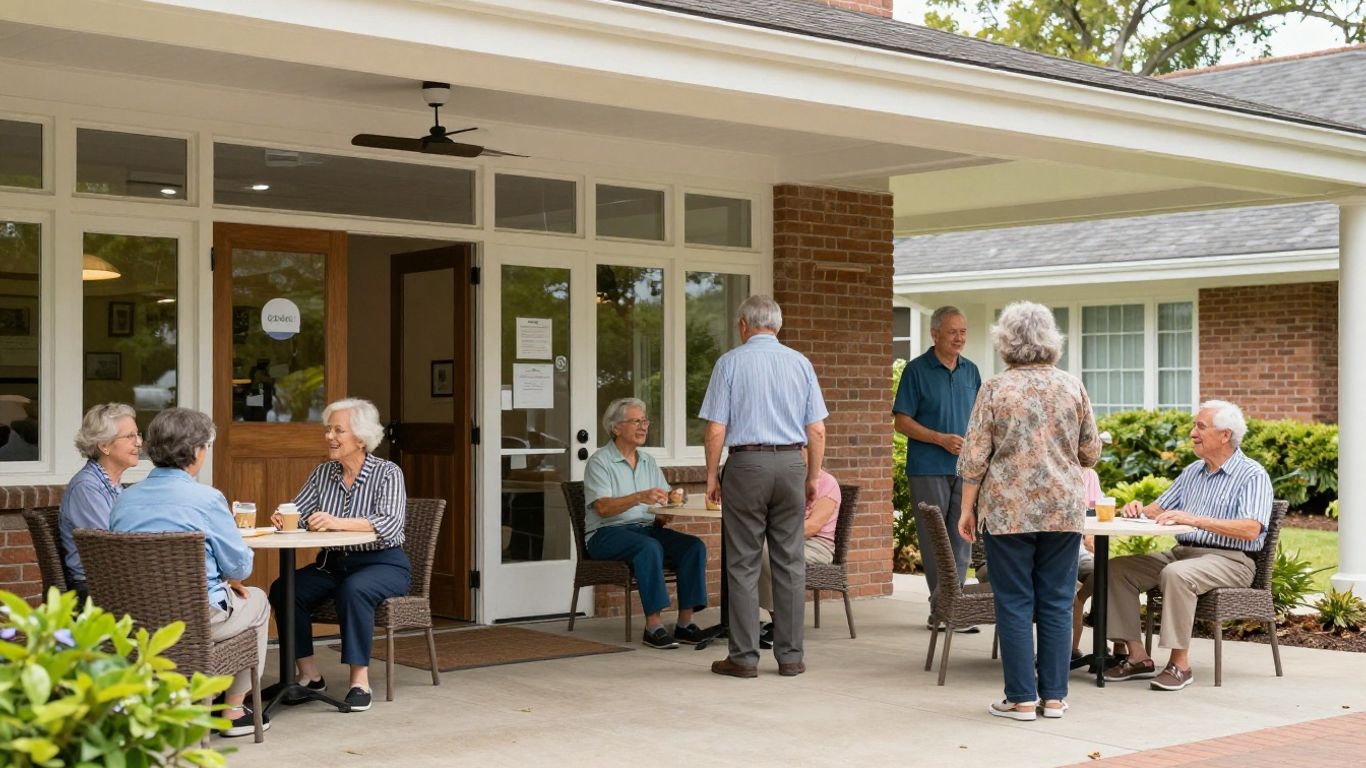
Blue Ridge Senior Living offers a blended Medication Aide program designed for those looking to earn their credentials in a hands-on, supportive environment. The course includes both online lessons and required in-person clinical training held at the facility, so you get real, practical experience before finishing.
Here’s a quick breakdown of what to expect:
- 44 hours of online coursework, which you have to finish within 14 days from the course start.
- 24 hours of in-person clinical training at Blue Ridge Senior Living, scheduled across three set days—so you can’t skip them.
- Upon completion, you’re eligible to apply to the Virginia Board of Nursing and schedule your PSI examination for Registered Medication Aide (RMA) certification. Remember, things like exam fees aren’t included in the course price.
| Course Length | Online Portion | Clinical Portion | Total Tuition |
|---|---|---|---|
| 68 hours (17 days) | 44 hours (remote) | 24 hours (onsite) | $725 |
You also get flexible start dates—like April 8-24, May 6-22, and June 10-27, 2026. There’s 24/7 access to online materials, which is good if you’re juggling work or family.
The hands-on clinicals at Blue Ridge Senior Living let you practice real medication administration in an assisted living setting, making the learning stick in a way books just can’t.
Blue Ridge also works with other organizations for career training. For example, if you’re considering a broader path, Blue Ridge Community and Technical College partners on similar programs combining technical skills and patient care. It’s a practical way to build a foundation if you’re serious about healthcare.
5. Williamsburg VA
If you’re looking to get certified as a Medication Aide in the Williamsburg, Virginia area, you’ll find that several programs are available to help you meet the state’s requirements. These courses are designed to equip you with the knowledge and skills needed to safely administer medications, a step up from a Certified Nursing Assistant role. Many of these programs are approved by the Virginia Board of Nursing, which is a big deal when you’re trying to advance your career.
To become a Registered Medication Aide (RMA) in Virginia, you’ll need to complete a specific training program. The 68-hour hybrid course is a popular option. It typically involves a mix of online learning and hands-on clinical experience. The online portion covers the theoretical aspects, like pharmacology and documentation, while the clinical part lets you practice in a real assisted living setting. This blend helps you get comfortable with medication management and administration.
Here’s a general breakdown of what you might expect:
- Program Length: Usually around 68 hours, split between online and in-person clinicals.
- Online Component: Covers medication safety, the "6 Rights" of medication administration, and documentation.
- Clinical Component: Hands-on practice in an assisted living facility, often including tasks like blood sugar checks and insulin injections.
- Prerequisites: You might need to have a current PPD (TB) test, a background check from the Virginia State Police, and sometimes proof of a CNA license or equivalent training.
Completing this training makes you eligible to apply to the Virginia Board of Nursing and take the state exam administered by PSI Testing Center. Keep in mind that there are separate fees for the board application and the exam itself, which aren’t usually included in the course cost. It’s always a good idea to check the specific requirements and costs for any program you’re considering. Some programs, like those offered by Heart to Heart Career Training Center, provide flexible payment plans to make the tuition more manageable. You can find more details about Virginia’s specific requirements for medication aides on the Virginia Board of Nursing website.
After finishing your coursework, remember that you’ll need to pass a background check and potentially have updated immunizations. These are standard steps in healthcare to ensure patient safety. The program completion certificates are usually sent out within a couple of weeks after you finish, provided all your payments are up to date. Just be aware that once classes start, fees are generally non-refundable.
6. Virginia Board of Nursing
So, you’re looking to become a medication aide in Virginia? That’s great! The Virginia Board of Nursing is the official body that oversees the licensing and regulation of nurses and other healthcare professionals in the state. They set the standards for medication aides, too.
To even be considered for a medication aide role, you’ll need to meet certain requirements. One of the main things is that you must be currently registered as a medication aide and certified as a CNA in Virginia. If you don’t have both of those, you’re not eligible to apply for the Advanced Registered Medication Aide (A-RMA) credential. It’s pretty straightforward, but definitely something to check off your list.
Here’s a quick rundown of what you generally need to do:
- Complete an approved medication aide training program.
- Pass a background check.
- Apply to the Virginia Board of Nursing for your certification.
- Pass the state examination.
It’s a good idea to visit the Virginia Board of Nursing website directly. They have all the official forms, rules, and updates. Things can change, so always get the latest info straight from the source. They’re the ones who make the final call on who gets certified.
The process involves several steps, and it’s important to follow each one carefully. Missing a detail could mean delays or even needing to start over. Make sure you have all your documentation in order before you submit anything.
Remember, the Board of Nursing is there to protect the public by making sure that only qualified individuals are allowed to administer medications. So, while it might seem like a lot of paperwork, it’s all part of ensuring patient safety.
7. PSI Testing Center
After you’ve completed your medication aide training and met all the requirements, you’ll likely need to take a certification exam. This is where PSI Testing Centers come into play. They are a major provider of standardized testing for various professions, including healthcare.
Passing the exam administered by PSI is a key step towards becoming a certified Registered Medication Aide (RMA) in Virginia.
Here’s what you should know about the process:
- Exam Scheduling: You’ll typically schedule your exam appointment directly with PSI after receiving authorization from the Virginia Board of Nursing. They offer various testing locations and times to accommodate your schedule.
- Exam Format: The exam usually consists of multiple-choice questions covering the knowledge and skills required for medication administration. Be prepared for a comprehensive assessment.
- Fees: There’s a fee associated with taking the exam at a PSI Testing Center. This fee is separate from your course tuition and is paid directly to PSI. As of early 2026, this fee is around $70, but it’s always best to confirm the current price on the PSI website.
- What to Bring: On exam day, you’ll need to bring specific forms of identification as outlined by PSI. Make sure to check their requirements beforehand to avoid any issues.
Successfully completing your medication aide course is just the first part. The examination is the final hurdle to prove your competency and readiness to safely administer medications. Plan your exam date wisely after finishing your training.
PSI also handles the administration of other important certifications, so they are a familiar name in professional testing. Make sure you understand all the requirements from the Virginia Board of Nursing and PSI before you book your test date.
8. Red Cross Training Centers
When you’re looking for a place to get certified as a medication aide, the Red Cross is a name that often comes up. They’re pretty well-known for their first aid and CPR classes, but they also offer training that can lead to certifications relevant for healthcare roles. It’s important to check if the specific medication aide certification you need is directly offered or supported by the Red Cross in your area, as their program offerings can vary.
They typically provide training in a few different formats, which is handy because people learn in different ways. You might find:
- Online Courses: These are usually self-paced and interactive, letting you learn from your computer or tablet. Just keep in mind that these online-only options might not always let you demonstrate the hands-on skills needed for certain jobs, and a certificate from these might not always meet workplace requirements.
- Blended Learning (In-Person + Online): This option combines the flexibility of online learning with in-person sessions where you can practice and demonstrate your skills with an instructor. This is often the best bet for getting a certification that’s recognized by employers and licensing bodies.
- In-Person Classes: These involve traditional classroom learning with hands-on practice. You’ll get direct instruction from experienced teachers in a classroom setting, and these usually result in a certification that meets professional standards.
To find out what’s available near you, you’ll want to visit their website and use their location finder. You can usually enter your city or ZIP code to see a schedule of classes in your area. They train a lot of people every year, so they’re a solid option to look into for gaining those important lifesaving skills.
While the Red Cross is a widely recognized organization for various health and safety training, it’s always a good idea to confirm the specifics of their medication aide programs. Make sure the certification you obtain will meet all the requirements for the job you’re seeking.
9. American Heart Association
The American Heart Association (AHA) has a reputation for setting standards in healthcare training, especially in certifications like CPR, BLS, and First Aid. When considering medication aide classes, it’s helpful to look at AHA-backed courses that often include critical skills in CPR and emergency response.
You’ll find various training options through AHA affiliates, both in-person and online. Most classes are designed for healthcare workers or those hoping to advance into roles like medication aide. Here’s what to expect from their programs:
- Courses tailored for healthcare professionals, including CPR/BLS and advanced emergency care
- Hybrid and online class formats to fit different schedules
- Certifications widely accepted by employers and state licensing boards
Many AHA local partners and training centers bundle medication aide training with required emergency skills like BLS and First Aid. This streamlines everything you need for most state certification requirements. Also, their class finder tool helps you search by zipcode or city so you can locate the nearest provider with open classes.
| Training Component | Available Format | Typical Duration |
|---|---|---|
| CPR/BLS Certification | In-person/Online | 3–5 hours |
| First Aid Certification | In-person/Online | 3–4 hours |
| Medication Aide Skills | In-person | 8–24 hours |
Picking an AHA-based course means you’ll walk away with skills that go beyond textbooks—hands-on practice that can make all the difference in real-life care situations.
10. Enrollware Platform
If you’re eager to schedule your medication aide classes without any headaches, the Enrollware Platform might become your best friend. The platform is designed to connect students to training programs, class availability, and certification schedules in a straightforward way. Instead of chasing down course sign-up forms or making endless phone calls, everything you need lands in one spot.
Here’s how to get started with Enrollware for medication aide classes:
- Create your free student account and log in.
- Search local classes by entering your zip code and program of interest.
- Pick your preferred date, then register right from the dashboard.
- Track your progress, payments, and even your class completion certificates online.
Most schools using Enrollware show real-time data on seat availability and upcoming dates, which is a game-changer if you’re juggling work or family commitments. Here’s a quick comparison:
| Feature | Paper Forms | Enrollware Platform |
|---|---|---|
| Real-time class updates | No | Yes |
| Online payments | Limited | Yes |
| Class reminders | No | Yes (email/SMS) |
| Certificate storage | No | Yes |
Streamlining enrollment and certification saves so much time — you don’t need to wait for snail mail confirmation or risk missing deadlines anymore.
Beyond medication aide classes, Enrollware also supports other training, like CPR for Healthcare Providers and workplace safety sessions, all in the same system. So, if you’re serious about kickstarting your healthcare career by 2026, Enrollware is one tool worth checking out.
Ready to Take the Next Step?
So, you’ve looked into what it takes to become a Medication Aide. It’s a great way to advance your career in healthcare and earn more money. Remember, the classes fill up, especially the last ones of the year, so don’t wait too long to sign up. Check the requirements, look at the payment plans, and pick a class that fits your schedule. You’ve got this!
Frequently Asked Questions
Do I need to be a Certified Nursing Assistant (CNA) to become a Medication Aide?
Yes, you absolutely need to have a current CNA certification in Virginia to enroll in a Medication Aide program. This training builds upon the skills you already learned as a CNA.
How much more can I earn as a Medication Aide compared to a CNA?
Medication Aides often earn between $2 to $5 more per hour than CNAs. This means you could make an extra $4,000 to $10,000 each year, making the training a great investment that pays for itself quickly.
What are the payment options for the Medication Aide classes?
You can secure your spot by paying a $500 deposit when you register. After class starts, payments are due every two weeks, and the full amount must be paid one week before the course ends. Payment can be made through QuickBooks, online via Enrollware, or by check or card at the office. There’s no interest charged on these payment plans.
What happens if I miss a payment?
If a payment is even one day late, there’s a $50 fee. If the payment is more than two weeks late, you’ll be removed from the program. It’s important to contact the school right away if you think you might have trouble making a payment on time.
How much time do I need to spend in the classroom and for clinicals?
You’ll attend 5 mandatory in-person skills classes and complete 21 hours of clinical training. Day classes are from 11 AM to 3 PM, and evening classes are from 4 PM to 8 PM. The rest of the learning happens online, which you can do at your own pace.
Can I work while I’m taking this course?
Yes! The program is designed as a hybrid, meaning you can do most of the learning online whenever it’s convenient for you. This allows you to keep working as a CNA while you train to become a Medication Aide.