How Long Does It Take to Become a CNA?
Understanding the timeline from enrollment to certification can help you plan your path to a rewarding healthcare career.
If you are considering a career as a Certified Nursing Assistant, one of your first questions is likely about the time commitment required to complete your training and begin working. The good news is that becoming a CNA is one of the fastest paths into the healthcare field, with most programs designed to get you certified and employed in a matter of weeks rather than years.
The Standard CNA Training Timeline
Most state-approved CNA programs require between 75 and 150 hours of combined classroom instruction and clinical practice. The exact number of hours varies by state, as each state’s Board of Nursing sets its own minimum requirements for CNA certification. These programs are intentionally designed to be compact and intensive, allowing students to enter the healthcare workforce quickly while still receiving thorough preparation for the responsibilities of patient care.
The duration of your CNA training depends primarily on whether you choose a full-time or part-time program schedule:
- Full-time programs: Complete in 3-4 weeks with daily or multiple-times-per-week classes
- Part-time programs: Extend over 8-12 weeks with evening or weekend schedules for working adults
Most students complete their CNA training and become certified within four to twelve weeks, making it one of the most accessible entry points into healthcare careers.
What the Training Program Includes
CNA training programs are carefully structured to balance theoretical knowledge with hands-on practical experience. The classroom portion covers essential topics including:
- Basic nursing skills and patient care techniques
- Infection control procedures and safety protocols
- Patient rights, confidentiality, and professional ethics
- Communication techniques for working with patients and healthcare teams
- Nutrition, feeding assistance, and dietary considerations
- Recognition of emergency situations and appropriate responses
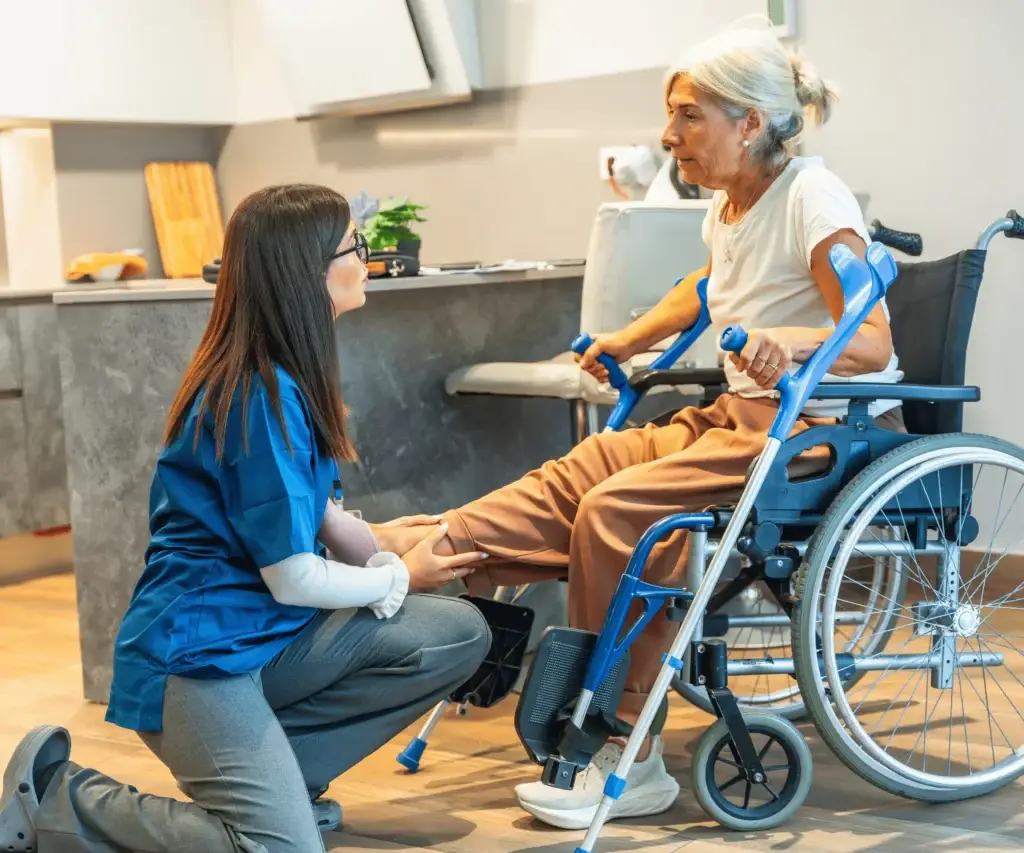
The clinical portion of your training takes place in actual healthcare facilities such as nursing homes, hospitals, or assisted living centers. During these supervised clinical hours, you work directly with patients under the guidance of experienced nursing instructors. This hands-on experience allows you to practice the skills you learned in the classroom in real-world settings and build confidence in your abilities.
After Training: The Certification Process
Completing your training program is an important milestone, but it is not the final step in becoming a CNA. After finishing your coursework and clinical hours, you must pass your state’s competency examination to receive official certification.
This exam consists of two parts:
- Written or oral knowledge test: Covering the concepts you learned during training
- Skills demonstration: Performing specific nursing assistant tasks while an examiner evaluates your technique and safety practices
Most states allow you to schedule your certification exam within a few weeks of completing your training program. The entire testing process typically takes two to four hours, and results are often available within a few days to two weeks. The timeline from program completion to receiving your certification is usually two to four additional weeks, bringing the total timeline from enrollment to certification to approximately six to sixteen weeks depending on your program schedule.
Factors That Can Affect Your Timeline
Several factors can influence how quickly you complete the process of becoming a CNA:
- Program availability: Popular programs may have waiting lists that delay your start date
- Your personal schedule: Full-time students complete training faster than part-time students
- State-specific requirements: Background checks, health screenings, or additional documentation may add time
- Exam scheduling: Availability of testing dates in your area can affect certification timeline
Planning Your CNA Career Path
The relatively short timeline to become a CNA makes this certification an excellent starting point for healthcare careers. Many nursing assistants use their CNA experience as a foundation for advancing to higher-level positions such as Licensed Practical Nurse or Registered Nurse. The hands-on patient care experience you gain as a CNA provides invaluable practical knowledge that enriches your understanding when you pursue additional education in nursing.
For students who want to enter the healthcare field quickly, the CNA path offers the advantage of beginning to earn income and gain professional experience in a matter of weeks rather than the years required for most other healthcare credentials. This makes CNA certification particularly appealing for career changers, recent high school graduates, or anyone seeking stable employment in a growing field with strong job security.
Ready to start your CNA journey? Search for accredited CNA programs in your area and compare schedules, costs, and start dates to find the perfect fit for your timeline and goals.