Key Takeaways
Starting a new path as a nursing assistant requires finding the right training environment that fits your schedule and career goals within the Memphis medical community. Here are five crucial points to guide your decision-making process for professional certification.
- Evaluate programs based on their clinical hour requirements and state approval status.
- Consider if the institution offers flexible day or evening scheduling options.
- Investigate whether the tuition includes necessary supplies like books and uniforms.
- Look for schools with established job placement assistance to ease the transition after graduation.
- Verify the program’s location to ensure your daily commute is manageable during training.
1. Baptist Memorial Health Care Career Academy
Choosing a training location associated with a major regional provider often gives students a unique advantage in understanding local healthcare standards. The Baptist Memorial Health Care Career Academy provides a direct pathway for individuals looking to gain professional skills within a system known for its clinical excellence. Students work through rigorous training designed to prepare them for the fast-paced, high-stakes environment of modern hospital settings.
Instructors at this facility emphasize the importance of patient empathy alongside technical accuracy when performing daily nursing tasks. The training environment mimics real-world scenarios to ensure that graduates feel confident performing nursing duties once they enter the workforce. Many graduates value the immersion in a professional culture that prioritizes patient comfort and reliable health service delivery.
Prospective students should stay updated on entry requirements and upcoming orientation dates to secure a spot in the academy. The admissions team provides extensive support, helping applicants understand the commitment involved in completing the clinical portions of the course. This school remains a top choice for those aiming for a long-term career path directly within an established hospital network.
2. Memphis Jewish Home and Rehab CNA program
Practical application of nursing skills is central to the curriculum offered at this facility, known for its longevity in the region. The Memphis Jewish Home & Rehab maintains a reputation for providing hands-on instruction in a setting that values compassionate aging care. Students learn the foundational aspects of caregiving through direct interaction with patients and professional nursing staff alike.
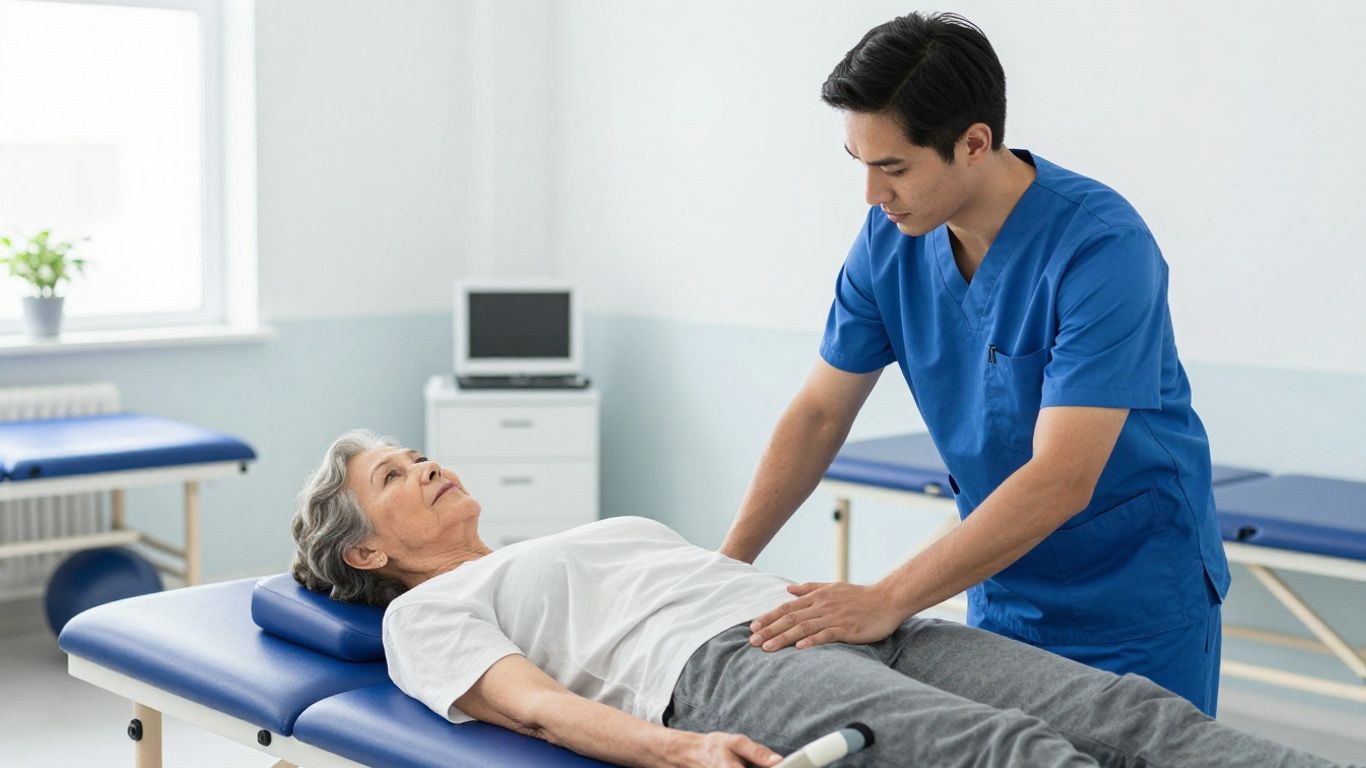
Programs here usually span several weeks, providing a steady cadence of classroom learning followed by supervised clinical practice. The intimate size of the training cohorts allows for personalized, attentive instruction which is vital for mastering the delicate tasks required of entry-level clinical staff. Graduates often report feeling well-prepared to handle various physical and social challenges that frequently arise in long-term rehabilitation environments.
This training option is frequently sought after due to its balance of theoretical knowledge and real-world experience. By training on-site, students gain a deep familiarity with medical equipment and patient handling procedures that they will encounter daily. Those choosing this route appreciate the clear link between their training and the potential for subsequent job opportunities within the same network.
3. Professional Allied Health LLC training
Focused learning environments can significantly speed up the certification process for dedicated nursing students. Professional Allied Health LLC stands out for its streamlined approach, which caters particularly well to individuals who need to transition into the workforce quickly. By leveraging small class sizes, instructors ensure that every student masters the fundamental requirements for passing the certification exam without feeling overwhelmed by large lecture sizes.
This provider is well-regard as it helps students build essential clinical core skills through intensive and focused daily sessions. Beyond the standard curriculum, the teaching team provides extra attention to common hurdles, such as state-mandated exam preparation and time management during clinical practicals. This level of support ensures that even students without a previous background in medicine can successfully attain their credentials.
While the program remains fast-paced, it does not sacrifice quality or professional instruction. Prospective applicants often find the enrollment process straightforward, reflecting the school’s goal of removing barriers to entry for healthcare careers. It is an excellent choice for those looking to balance their education with existing life responsibilities while pursuing a professional career in medical aid.
4. Southwest Tennessee Community College CNA courses
Academic institutions often provide a more comprehensive view of the healthcare field by integrating basic science and theory into the practical nursing curriculum. Southwest Tennessee Community College has long supported students seeking a firm academic foundation before they move into clinical practice. Their coursework is structured to fulfill state requirements while offering the stability of an institutional classroom setup.
| Course Component | Duration Example | Training Focus |
|---|---|---|
| Classroom Lectures | 60 Hours | Theory and medical terminology |
| Clinical Practice | 20 Hours | Patient care and mobility |
| Exam Prep | 10 Hours | Testing strategy and review |
Students in these programs are often part of a broader group of future medical professionals, providing a collaborative atmosphere that is hard to replicate. The integration of technology and CNA training programs aids those looking to advance their technical mastery, as the college provides resources often unavailable at smaller private sites. This comprehensive structure helps students feel well-rounded and ready to tackle the diverse responsibilities of a nursing assistant.
After completing the core requirements, students benefit from the college’s deep connections to local healthcare facilities for clinical rotations. Having a degree-granting institution on a professional resume can be an unexpected bonus during the initial job search phase. For learners who value a formal campus experience and long-term academic growth, this remains a cornerstone provider in the Memphis territory.
5. Tennessee College of Applied Technology Memphis programs
Technical education requires a hands-on approach that prioritizes proficiency with equipment and immediate clinical readiness. This institution offers a structured program that prepares students for the demands of the working world through rigorous repetition and expert guidance. Learners here often find themselves in an environment where the transition from student to professional is seamless due to the high standards enforced by the faculty.
Training at this location involves several key benchmarks that every student must meet to qualify for state testing, such as:
- Mastering full patient mobility and transfers without assistance.
- Practicing vitals monitoring during complex case simulations.
- Completing assigned hours in a partner facility environment.
- Passing internal checkouts on medical technology and sanitation.
Graduates frequently cite the thorough, hands-on faculty support as the primary reason for their confidence during licensing exams. The school is known for maintaining a high success rate, as the instructors are committed to ensuring no student falls behind in their procedural knowledge. This dedication to excellence makes TCAT a reliable, results-oriented option for many locals.
6. Local community center-based CNA training options
Accessibility is a major driver for those seeking new career paths in areas with high community density. Local centers often host bridge programs or entry-level training that minimizes the travel time for residents in different corners of the city. These programs generally operate with a focus on affordability and community outreach, making it easier for individuals from various backgrounds to pursue stable healthcare roles.
These centers are particularly helpful because they often bridge the gap between people looking for work and local facilities with a hiring need. Students appreciate the informal yet highly practical learning atmosphere found in these community-driven spaces. Teachers often provide real-world insights that go beyond the textbook, offering advice on how to navigate the healthcare job market in the Mid-South region.
While the resources might appear more modest than those of massive private institutions, the individual student experience is often quite deep. Instructors in these settings are frequently experienced nurses seeking to give back to their neighborhoods. For students who thrive on human connection and a supportive local network, these community center options are well worth investigating.
7. Private vocational institutes for accelerated CNA certification
If speed and scheduling flexibility are your primary drivers, private vocational schools managed by entities like Career Academy offer schedules crafted for the modern worker. These institutes prioritize the Tennessee Department of Health-approved Nursing Aide curriculum in an condensed format that allows most students to finish coursework and clinicals in under two months. They target individuals who are juggling part-time jobs or family roles alongside their studies.
Success at these schools stems from a focus on high-efficiency training blocks where every hour spent in class moves the student closer to certification. Students are given focused, actionable educational material that ensures the information learned in the morning is ready for use in clinical labs the same week. The instructors here usually have recent experience in the field, which helps them relate to and support students facing the common anxieties of a new career.
Because these programs are entirely dedicated to CNA advancement, their infrastructure is streamlined for maximum student outcome. They frequently coordinate with the state-approved site testers to assist graduates in scheduling their exams directly after graduation. This efficiency is why many people who need to get working as soon as possible choose a dedicated private vocational route.
Conclusion
Finding the right educational home for your CNA certification is a personal process that depends on your availability, your learning style, and your specific career goals. Whether you prefer the academic rigor of a college campus or the high-speed, vocational focus of a private institute, Memphis offers a variety of paths to help you reach your professional aspirations. By carefully evaluating your choices and staying committed to the demands of your training program, you can build a stable and rewarding foundation for a long-term future in the healthcare industry.
Frequently Asked Questions
What are the standard educational requirements to start CNA training in Memphis?
Most training programs require that you have a high school diploma or a GED, along with a clean criminal background check and current immunization records to begin your clinical training.
How long does it usually take to finish a CNA program?
Depending on whether you choose a full-time accelerated course or a part-time evening program, you can expect the duration to range anywhere from four to eight weeks total.
Can I work while taking these certification classes?
Many training centers specifically design their programs to accommodate working adults by offering evening or weekend classes so you can maintain your employment while you study.
Does completion of the program guarantee that I will get a job immediately?
While many schools offer excellent job placement assistance and have strong local partnerships to provide interview leads, you will still need to successfully pass your state board examination.
How much do these training programs typically cost?
Prices vary significantly depending on the provider, but they can range from completely employer-sponsored free programs to tuition costs reaching around $1,500 for fully comprehensive private certification training.
What does the state certification exam cover?
Your final state exam will generally include a written portion that tests your medical terminology and theory knowledge, followed by a skills evaluation where you demonstrate core duties like patient hygiene.
Is it possible to pursue a nursing degree later after certification?
Yes, many people view becoming a CNA as the ideal stepping stone to gain experience and income before eventually advancing to positions like LPN or RN through further specialized nursing education.