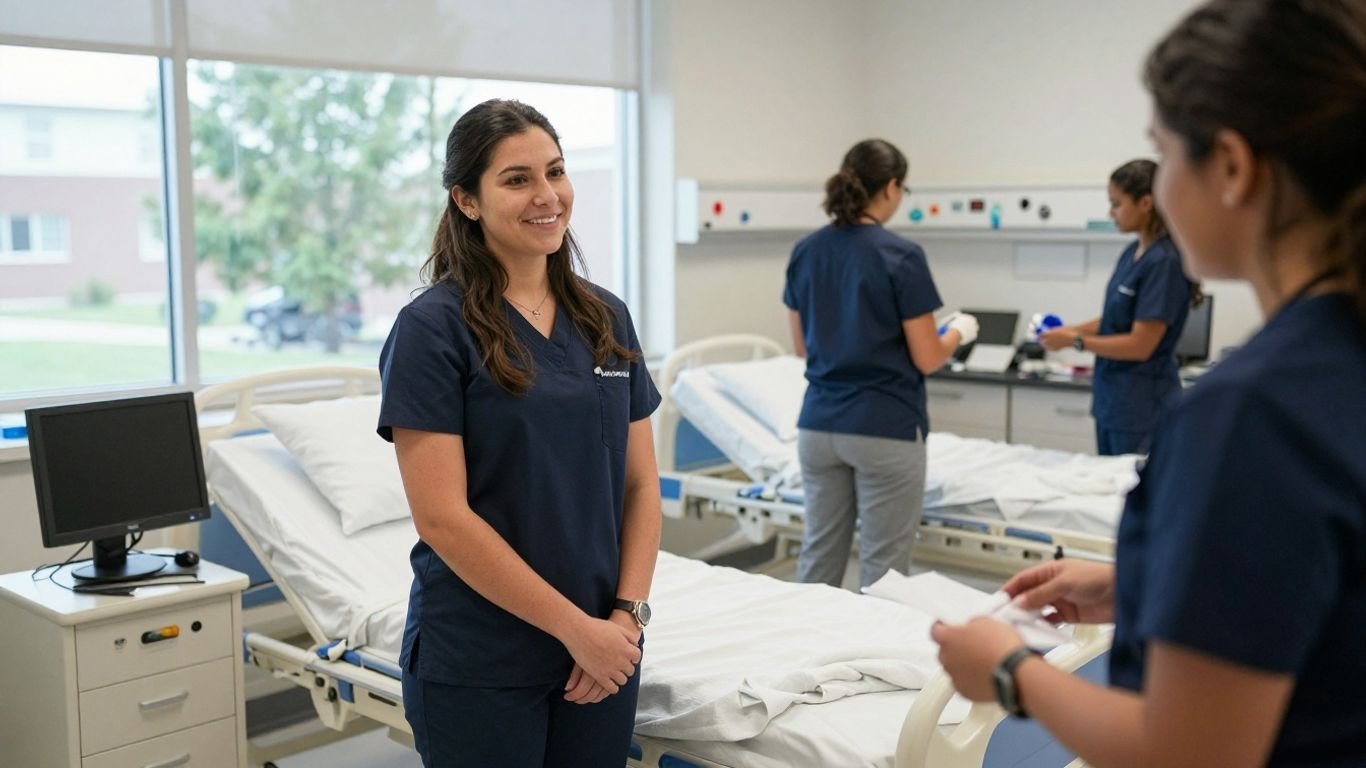
Thinking about becoming a Certified Nursing Assistant (CNA) but worried about the cost of classes? You’re in luck! Many nursing homes offer free CNA training programs, which can be a fantastic way to start your healthcare career without spending a dime. These programs often lead directly to a job, so you can start earning while you learn. Let’s explore how you can find these opportunities near you.
Key Takeaways
- Many nursing homes provide free CNA training programs as a way to recruit and train new staff.
- These programs typically cover all necessary training hours and sometimes even exam fees.
- Completing a free CNA class often comes with a commitment to work for the facility for a specified period.
- You can find these opportunities by checking the career pages of nursing home websites or contacting them directly.
- Free CNA training offers a direct and affordable path to a rewarding career in healthcare.
Finding Free CNA Training Programs
Thinking about becoming a Certified Nursing Assistant (CNA) but worried about the cost? You’re not alone. Many people assume they’ll have to pay for expensive classes, but that’s often not the case. A lot of nursing homes and hospitals actually offer free training programs. These places need CNAs, and they’re willing to train people who are serious about the job. It’s a win-win: you get trained and certified without spending a dime, and they get a new staff member.
Understanding Employer-Sponsored CNA Education
Basically, when a nursing home or hospital sponsors your CNA education, they’re investing in you. They cover the cost of your training, which usually includes classroom time and hands-on practice. In return, you typically agree to work for them for a certain amount of time after you get certified. This is a pretty common setup, especially in places that are always looking for CNAs. It’s a smart way for them to build their team and for you to start a healthcare career without the upfront financial stress.
Benefits of Employer-Funded CNA Programs
There are some really good reasons to look into these employer-funded programs. For starters, you save a lot of money. No tuition fees, no textbook costs – it’s all covered. Plus, you often get a job offer before you even start training, or at least a strong promise of employment once you’re certified. This means you’re not left wondering what to do after you finish the course. It’s a direct path from training to a paycheck. Some programs might even help with things like uniforms or exam fees. It really cuts down on the barriers to getting into the field.
Here are some of the perks:
- Zero Tuition Cost: You won’t pay anything for the training itself.
- Guaranteed Employment: Most programs lead directly to a job with the sponsoring facility.
- On-the-Job Experience: You’ll get practical skills in a real healthcare setting.
- Career Start: It’s a fast track into a stable healthcare profession.
How to Locate Free CNA Classes Near You
Finding these programs takes a little effort, but it’s totally doable. Start by checking the websites of nursing homes and hospitals in your area. Look for sections like "Careers," "Education," or "Training Opportunities." Many facilities will post information about upcoming classes there. You can also try contacting them directly. Call the HR department or the admissions office and ask if they offer any free CNA training programs. Sometimes, these opportunities aren’t advertised widely, so a direct inquiry can be really effective. You might also find programs through your state’s workforce development agency or local job centers. These agencies often partner with healthcare facilities to train job seekers. For example, in Minnesota, you can find information through CareerForce locations.
It’s important to be persistent. Not every facility will have openings all the time, and some programs might have specific eligibility requirements. Don’t get discouraged if your first few attempts don’t pan out. Keep searching, keep asking, and you’ll likely find a program that fits your needs and gets you started on your path to becoming a CNA.
Some facilities, like Gurwin Jewish Nursing & Rehabilitation Center, regularly offer these kinds of classes. It’s worth checking out both larger healthcare systems and smaller, local facilities. You never know where the best opportunity might be hiding.
Nursing Home CNA Training Opportunities
So, you’re thinking about becoming a CNA and wondering where to get the training without shelling out a ton of cash? Nursing homes are a really common place to find these free programs. They’re often looking for good people to join their team, and sometimes, the best way to get them is to train them themselves.
What to Expect from Nursing Home CNA Programs
These programs are usually pretty straightforward. They’re designed to get you ready for the state certification exam in a relatively short amount of time, often just a few weeks. You’ll learn the basics of patient care, like helping residents with daily activities, taking vital signs, and making sure they’re comfortable. Plus, you’ll get hands-on practice, usually right there at the facility. This means your clinical hours, which are a required part of the training, happen in a real-world setting. It’s a pretty efficient way to learn the ropes.
- Short program duration: Typically lasts 4-12 weeks.
- On-site clinical experience: Practice your skills where you might end up working.
- Comprehensive curriculum: Covers patient care, safety, and communication.
- Exam preparation: Includes help to get you ready for the state certification test.
Many nursing homes partner with local workforce agencies or unions to offer these training programs. This can sometimes mean additional support for things like transportation or even childcare, making it easier to attend.
Commitment and Employment After Training
Here’s the catch, and it’s a pretty common one: if a nursing home pays for your CNA training, they usually want you to stick around for a while. It’s a commitment, for sure. You’ll likely sign an agreement to work at that facility for a specific period, maybe six months or a year, after you get certified. This makes sense, right? They’re investing in you, and they want to see that investment pay off by having you on their staff. It’s a good deal if you’re looking for a job right away, but make sure you’re comfortable with the commitment before you sign up. Some places might even offer reimbursement if you get trained elsewhere but commit to working for them within 12 months. It’s all about finding that mutual benefit.
Identifying Nursing Homes Offering Free CNA Classes
Finding these opportunities takes a little digging, but it’s totally doable. Start by checking the ‘Careers’ or ‘Employment’ sections on the websites of nursing homes in your area. Big chains often have these programs, but don’t forget to look at smaller, local facilities too. You can also try online job boards that focus on healthcare, using search terms like "free CNA training" or "nursing home CNA program." Sometimes, your local workforce development center or state labor department website will have listings for these kinds of initiatives. Don’t be afraid to call nursing homes directly and ask if they have any upcoming training programs or if they sponsor CNA students. You might be surprised at how many are eager to find new talent. For example, programs like WisCaregivers Careers connect people with training and jobs at participating facilities in Wisconsin, showing that these opportunities are out there if you look.
Hospital-Based CNA Certification Programs
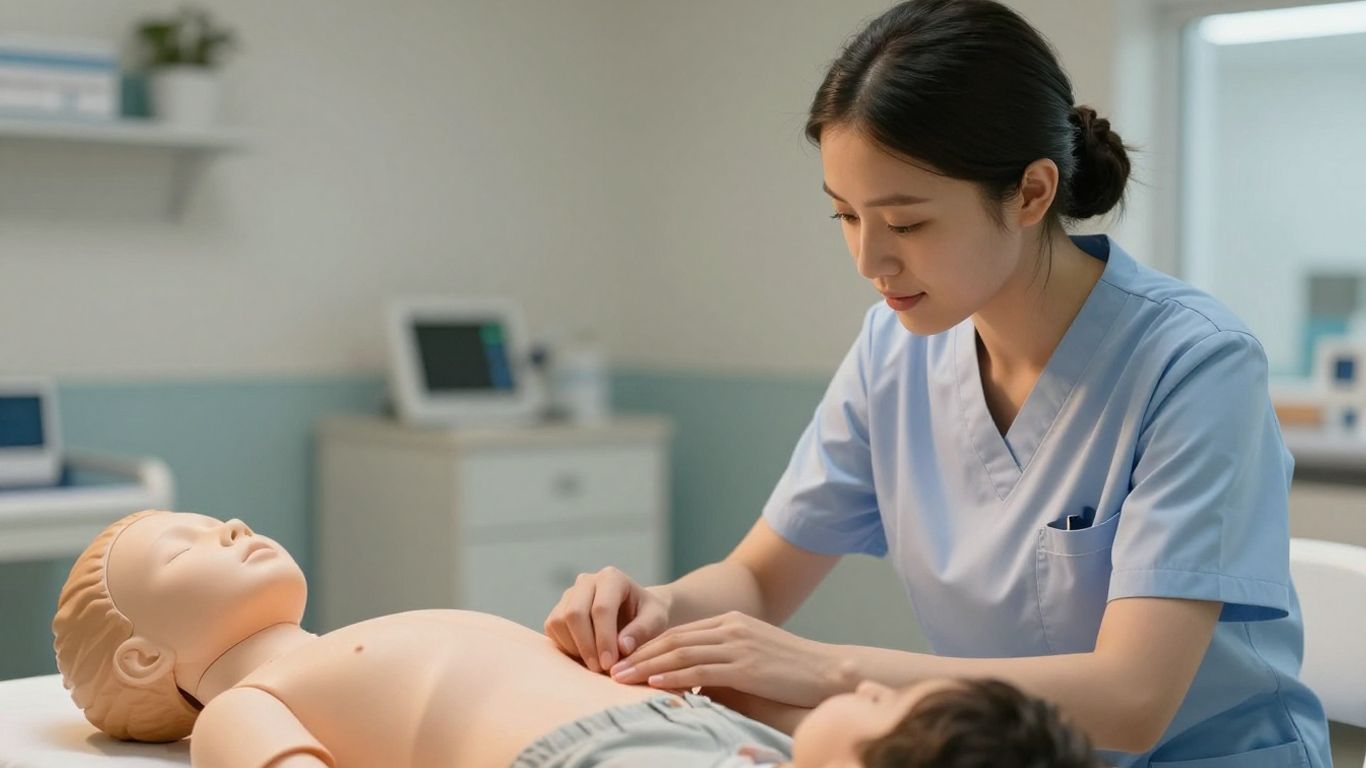
CNA Training in Hospital Settings
Some hospitals, especially larger ones or those affiliated with medical schools, offer their own CNA training programs. These aren’t just about filling entry-level roles; they’re often part of a bigger picture for developing their healthcare workforce. Because hospitals deal with a wider range of patient needs than a typical nursing home, their training might give you a broader view of patient care, including acute settings or rehabilitation. This can be a real plus if you’re thinking about where your career might go next. You can often find out about these programs by checking the "Careers" or "Education" sections on hospital websites. Keep an eye out for announcements about upcoming classes.
Job Placement Guarantees with Hospital Programs
It’s not uncommon for hospitals to sweeten the deal by offering not just free training but also a job once you’re certified. These programs are designed to get new CNAs working quickly, filling needs in busy departments like the emergency room or general medical floors. They usually cover all the training costs and might even throw in things like uniforms or books. The idea is to train you and then hire you right away. Some hospitals even have "train and hire" or "apprentice" programs where you can earn while you learn, which really takes the financial pressure off getting your certification. It’s a pretty straightforward path from training to a paycheck.
Searching for Hospital CNA Training Initiatives
So, how do you actually find these hospital programs? A good starting point is to look directly at the websites of hospitals and health systems in your area. Search for terms like "CNA training," "healthcare careers," or "workforce development." Sometimes these programs are listed under community outreach or educational initiatives. You can also try general job boards, but be specific with your search terms, like "free CNA training hospital" or "paid CNA training program." Don’t forget to check with local workforce development agencies; they often have a pulse on these kinds of employer-sponsored programs. Remember, these programs often have specific application windows, so checking back regularly is a good idea. If you’re interested in a specific hospital, reaching out to their HR department directly can sometimes yield information about upcoming training cycles. It’s worth the effort to explore these hospital training opportunities as they can offer a solid start to your healthcare journey.
Hospitals invest in training CNAs because they consistently need qualified staff. These programs are a win-win: you get trained for free, and the hospital gets a new employee ready to contribute. It’s a practical approach to building their team and ensuring quality patient care.
Key Benefits of Free CNA Training
So, you’re thinking about becoming a Certified Nursing Assistant (CNA), but the cost of training is a worry? Good news! There are plenty of ways to get your CNA certification without shelling out a ton of cash. In fact, many nursing homes and other healthcare facilities offer programs that are completely free. This is a fantastic way to kickstart a career in healthcare, and honestly, it’s a pretty smart move.
Accelerated Career Entry
One of the biggest perks of these free programs is how quickly you can get started. Instead of spending months or even years in school and racking up debt, you can often complete a CNA training program in just a few weeks. Think about it: you could be on your way to a new job in less time than it takes to plan a vacation. This means you start earning a paycheck sooner, which is always a plus.
- Short Program Duration: Most free CNA classes wrap up in 4-8 weeks.
- Immediate Skill Acquisition: You gain the necessary skills to pass your certification exam quickly.
- Reduced Time to Employment: Get job-ready much faster than traditional educational routes.
Direct Path to Employment
Many of these free training opportunities are directly linked to a job offer. Facilities offering the training often do so because they need CNAs. When you complete their program, they want you to stay and work for them. This is a win-win. You get your training paid for, and they get a trained employee who already knows their facility. It really cuts out a lot of the guesswork in finding a job after you’re certified. You can often find these programs by looking at job boards or directly contacting local healthcare facilities.
This setup means you’re not just getting a certificate; you’re getting a job lined up. It’s a structured way to enter the healthcare field without the stress of job hunting after graduation.
No Financial Burden for Certification
Let’s be real, education costs can be a huge barrier. Free CNA training programs eliminate that worry entirely. You won’t have to worry about tuition fees, textbook costs, or even exam fees in many cases. Some programs even cover the cost of your uniform or background check. This makes a career in healthcare accessible to a much wider range of people, regardless of their financial situation. It’s a chance to invest in yourself and your future without taking on debt. Many programs are designed to be completely free for participants.
Here’s a quick look at what you might save:
| Expense | Typical Cost | Free Program Cost |
|---|---|---|
| Tuition | $500 – $1,500 | $0 |
| Books & Supplies | $100 – $300 | $0 |
| Certification Exam Fee | $100 – $150 | $0 |
| Background Check | $50 – $100 | $0 |
| Total Savings | $750 – $2,050 | $0 |
Navigating Your CNA Training Search
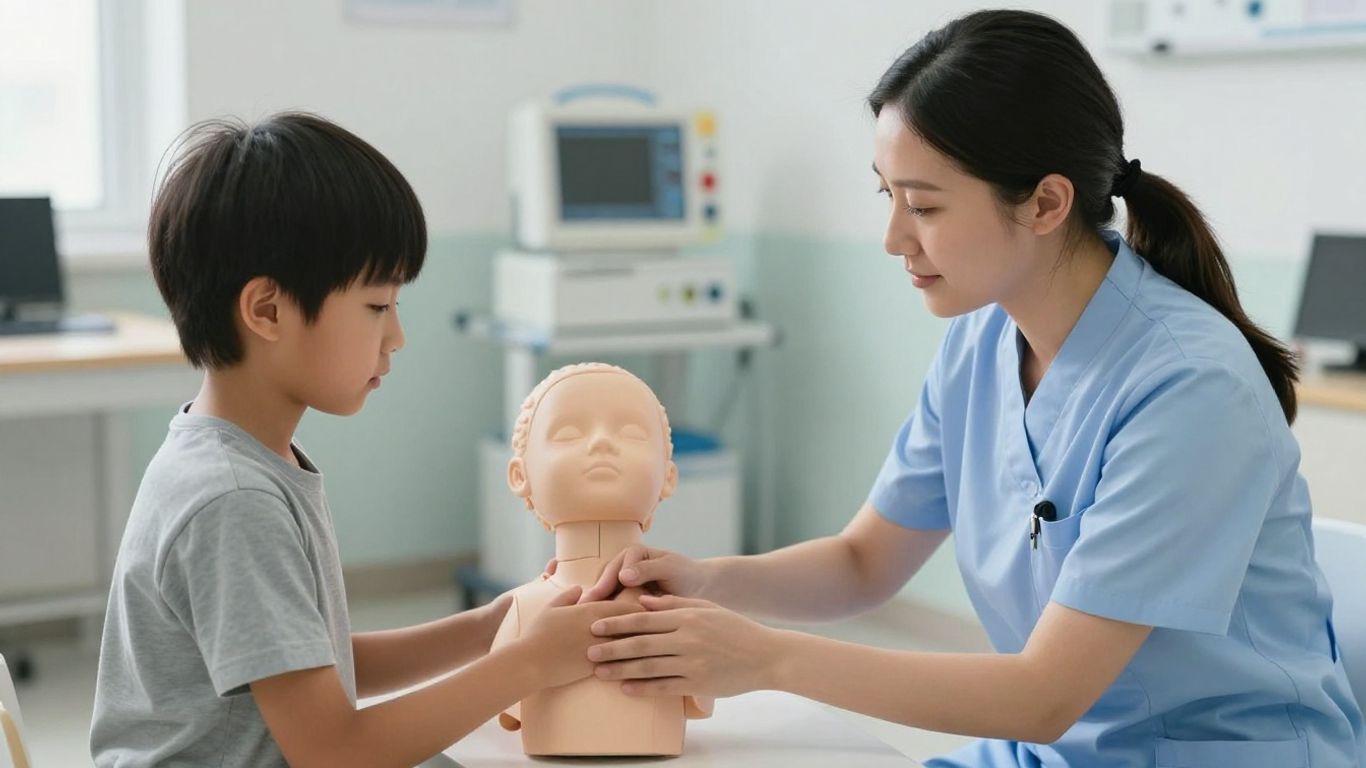
So, you’ve decided to become a CNA, and you’re looking for ways to do it without breaking the bank. That’s totally doable! The trick is knowing where to look and how to approach facilities that offer these free programs. It’s not always as simple as just walking in, but with a little effort, you can find some great opportunities.
Utilizing Online Job Boards and Workforce Agencies
Online job boards are a goldmine for finding these kinds of programs. Think beyond just general job sites; look for ones specifically focused on healthcare or even local government workforce development. Many states have agencies that help connect job seekers with training opportunities, often funded by grants. These places are usually looking to fill specific needs, like CNA shortages in nursing homes. You might need to meet certain criteria, like being unemployed or underemployed, to qualify for these grant-funded programs.
Here are some common places to check:
- Local Workforce Development Boards: Search for your city or county’s workforce board online. They often list free training programs, including CNA classes.
- State Department of Labor Websites: Your state’s labor department might have a section dedicated to job training and apprenticeships.
- Healthcare-Specific Job Boards: Websites like MyCNAJobs or even general healthcare job sites sometimes feature "train to work" or "free CNA training" listings.
- Community Colleges and Technical Schools: While not always free, these institutions sometimes partner with local employers to offer subsidized or grant-funded CNA programs.
Directly Contacting Healthcare Facilities
Don’t underestimate the power of a direct approach. Many nursing homes and even some hospitals offer their own in-house CNA training. They do this because they need staff, and training you themselves is a good way to get reliable employees. It’s a win-win: you get trained for free, and they get a new hire.
- Check Facility Websites: Look for a "Careers" or "Employment" section on the websites of nursing homes and hospitals near you. They often post information about upcoming training classes.
- Make Phone Calls: If you don’t see anything online, pick up the phone and call the HR department or the Director of Nursing at facilities you’re interested in. Ask directly if they offer any free CNA training programs or have partnerships with training providers.
- Visit in Person: Sometimes, a personal visit can make a good impression. You can drop off a resume and inquire about training opportunities. Just be mindful of their busy schedules.
Many facilities that offer free training will require you to commit to working for them for a certain period after you get certified. This is how they get a return on their investment in your education. Make sure you’re comfortable with this commitment before you apply.
Understanding Application and Interview Processes
Once you find a program, there’s usually a process to get in. It’s not just about signing up; they want to make sure you’re a good fit for the role and the facility. Expect things like:
- Application Forms: You’ll likely need to fill out an application, providing details about your background, education, and work history.
- Interviews: Be prepared for one or more interviews. This is your chance to show your enthusiasm for patient care and why you want to be a CNA. Dress professionally and be ready to talk about your strengths.
- Background Checks: Most healthcare facilities conduct background checks, so be honest about any past issues.
- Basic Skills Assessment: Some programs might have a simple assessment to gauge your reading and comprehension skills.
Finding these free programs takes a bit of legwork, but the payoff – a career in healthcare without the student debt – is definitely worth it. Keep at it, and you’ll find the right fit for you. For instance, places like Miller’s Merry Manor sometimes have these kinds of opportunities available.
Advancing Your Healthcare Career
CNA as a Stepping Stone in Healthcare
So, you’ve completed your free CNA training and are ready to jump into the healthcare field. That’s fantastic! Becoming a Certified Nursing Assistant (CNA) is a really smart way to get your foot in the door. It’s not just a job; it’s a launchpad. You’ll be working directly with patients, learning the ropes, and seeing firsthand what goes on in a healthcare setting. This hands-on experience is gold, giving you a real feel for different roles and patient needs. Many people start as CNAs and then realize they want to pursue further education or specialize in a particular area of care. It’s a solid foundation for a long-term career in health services. You can explore various health career paths and see where your interests might lead.
Opportunities for Growth and Skill Development
Once you’re a CNA, the learning doesn’t stop. In fact, it’s just the beginning. Many nursing homes and other healthcare facilities offer opportunities for you to grow your skills and take on more responsibility. You might get training to become a Restorative Nurse Assistant, help with nonviolent crisis intervention, or even get certified in IV therapy and blood withdrawal. Some places even offer continuing education units to help you keep your license up-to-date. It’s all about building on that initial training and becoming a more versatile member of the healthcare team. Think about it: you could go from CNA to Licensed Vocational Nurse (LVN), or even further down the line, perhaps into roles like a Physician Assistant, especially in fast-paced areas like emergency medicine. The possibilities are pretty wide open.
Here’s a look at some potential next steps:
- Advanced Certifications: Pursue specialized training like IV therapy, phlebotomy, or medication administration.
- Further Education: Use your CNA experience to apply for LPN or RN programs.
- Specialized Roles: Move into areas like restorative care, medical records, or patient transport.
- Supervisory Positions: With experience, you might become a charge nurse or a director of staff development.
Making a Difference in Patient Care
Ultimately, being a CNA is about making a real impact on people’s lives. You’re often the person who spends the most time with patients, helping them with their daily needs, offering comfort, and being a friendly face. This direct connection means you can truly improve someone’s quality of life, especially during difficult times. You’ll witness the direct results of your care and compassion, which is incredibly rewarding. It’s a role where you can genuinely feel like you’re contributing something meaningful every single day.
The daily interactions you have as a CNA can profoundly affect a patient’s well-being. Your empathy, attention to detail, and willingness to help create a positive environment for those in your care. This direct impact is a significant part of why many find CNA work so fulfilling.
Ready to Start Your CNA Journey?
So, finding free CNA classes through nursing homes isn’t as tough as it might seem. It really just takes a bit of looking around and reaching out. Many places are eager to train folks who want to help out, and they’ll even pay for your training if you commit to working with them for a while. Keep checking those job sites and local listings, and don’t be afraid to call up a nursing home directly. You might be surprised at how many opportunities are out there just waiting for someone like you to take the first step. It’s a solid way to get into a healthcare career without breaking the bank.
Frequently Asked Questions
What exactly is a CNA?
A CNA, or Certified Nursing Assistant, is a healthcare professional who helps patients with everyday tasks. This can include things like bathing, eating, and moving around. They also help nurses by taking notes on how patients are doing and making sure they are comfortable.
How can I find free CNA classes near me?
You can look for free CNA classes by checking the websites of nursing homes and hospitals in your area. Many of them offer these classes to train new employees. You can also search online job sites using terms like ‘free CNA training’ or ‘nursing home CNA jobs’.
Do I have to work at the place that offers the free training?
Usually, yes. Many places that offer free CNA classes want you to agree to work for them for a certain amount of time after you get certified. This helps them get trained staff, and it gives you a job right after you finish your training.
What will I learn in a free CNA class?
These classes teach you important skills for taking care of people. You’ll learn about resident care, how to keep patients safe, and how to act professionally. You’ll also get hands-on practice, often in a real healthcare setting.
Are these classes really free?
Yes, many programs are completely free. The nursing home or hospital pays for your training because they want to hire you. This means you won’t have to pay for classes, books, or sometimes even the exam fees.
Can becoming a CNA help me in the future?
Absolutely! Being a CNA is a great way to start a career in healthcare. It’s a job that’s always in demand, and it can be a stepping stone to other roles like becoming a nurse. You’ll gain valuable experience and learn skills that can help you advance in the healthcare field.