Key Takeaways
Starting a career as a nursing assistant requires careful planning and a clear understanding of the state-mandated pathway. These points summarize the essential steps for your journey:
- Meet basic age and high school completion requirements before enrolling in training.
- Complete an approved 90-plus hour training program to gain clinical competency.
- Pass both a written knowledge test and a physical skills examination.
- Perform background checks and health screenings to ensure patient safety standards.
- Register with the state board to maintain active certification status.
Understanding CNA requirements in Arkansas
Starting your journey to become a nursing assistant begins with familiarizing yourself with the baseline criteria set by the state. You will find that most cna classes arkansas require candidates to demonstrate basic literacy and physical capabilities before entering a clinical setting.
Age and education prerequisites
You must be at least 18 years old to pursue your certification, although some facilities may verify high school diplomas or GED equivalencies. Adhering to these standards ensures you are prepared for the rigorous training ahead.
Background check and health screenings
Patient safety remains the highest priority for medical providers in the state. Every student must complete a criminal background check to ensure they are eligible for direct patient care, combined with mandatory TB tests and other health screenings.
Arkansas Department of Human Services regulations
Strict adherence to Arkansas Department of Human Services oversight is required to keep your certification valid. These guidelines mandate specific contact hours and clinical supervision to ensure graduate competency.
Types of CNA training programs available
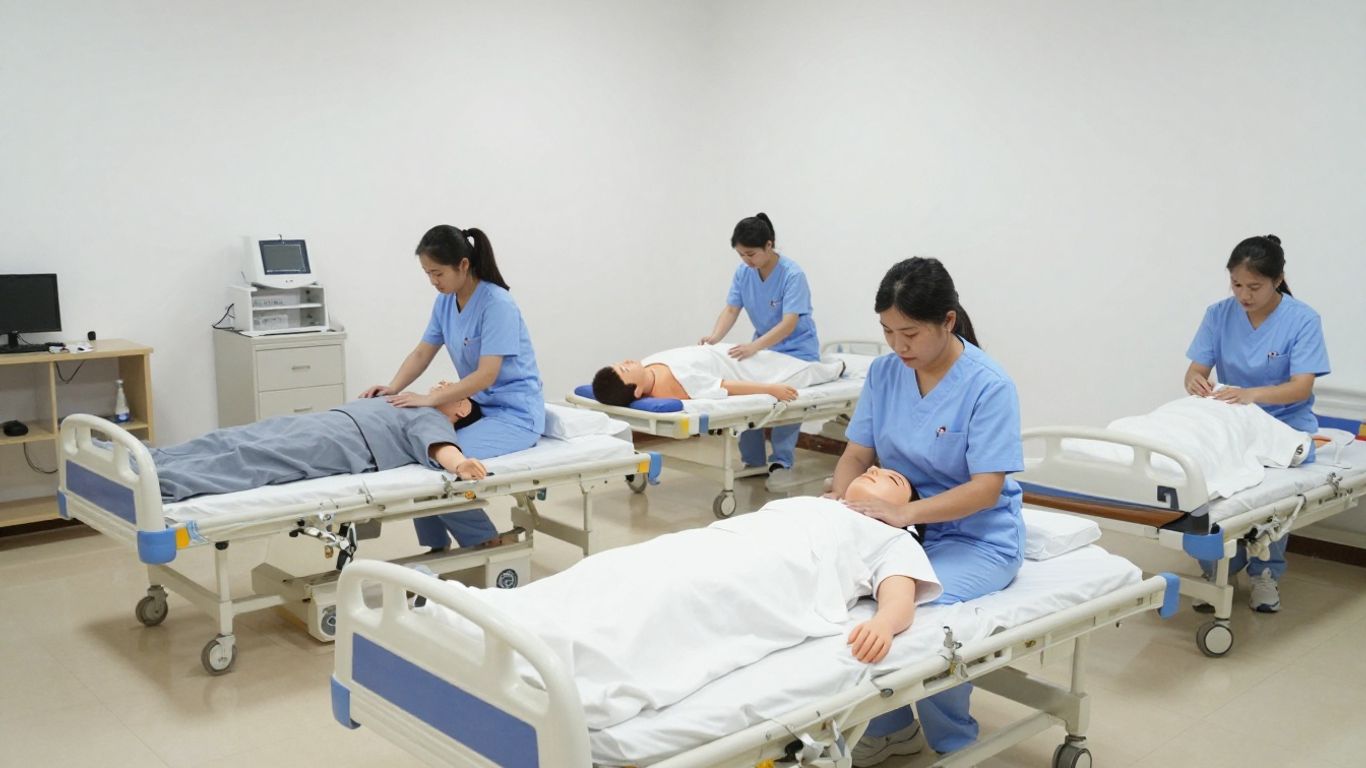
Finding the right educational environment is the first major decision you will make in your healthcare career. While the core curriculum remains consistent, the delivery method can vary significantly depending on your daily commitments.
Community college certification courses
Community colleges offer some of the most stable learning environments, often providing a structured semester system. These programs are ideal if you prefer classroom interaction and access to campus resources like financial aid advising and student support services.
Healthcare facility on-the-job training
Some local clinics and long-term care homes offer sponsored programs where you learn while you work. These practical routes provide immediate immersion into a facility culture, though they require a high degree of dedication to balancing work responsibilities with academic learning requirements for the state exam.
Accredited online CNA programs
For those needing flexibility, hybrid or online programs allow you to manage your lecture time efficiently. You should consider the following benefits of these programs:
- Access to recorded lectures that fit your personal schedule
- Reduced commute times for theoretical coursework
- Rapid intake cycles that allow for faster program starts
- Digital platforms that make review material easily accessible
These programs still require face-to-face instruction for the clinical components to ensure hands-on proficiency before your state exam.
How to choose the right school for your goals
Selecting a program that matches your personal aspirations helps streamline your progress from student to professional. You need a program that aligns with your timeline, budget, and learning style while providing the necessary infrastructure to prepare you for the workforce.
Evaluating program cost and financial aid
Tuition varies widely, so comparing overall costs is vital. Many students utilize programs like UAMS Caregiving to navigate their specific budgetary concerns while ensuring they meet all regulatory requirements.
Checking clinical site availability and proximity
Practical experience is where you develop your actual nursing skills. Ensure your chosen school has solid partnerships with nearby hospitals or skilled nursing facilities, as traveling too far for clinical rotations can quickly lead to burnout.
Reviewing program pass rates for the state exam
High pass rates serve as a strong indicator that the curriculum effectively covers the state board’s requirements. Reviewing academic performance data during your selection process allows you to set high expectations for your own future performance.
Preparing for the Arkansas CNA state exam

Passing the state competency exam is the final hurdle before you can begin working as a professional. You should focus on mastering fundamental nursing skills early on to ensure you feel confident during the practical portion of your certification attempt.
Clinical skills practice requirements
Expectations for manual performance are quite precise during the clinical exam. Students must demonstrate proficiency in hygiene, mobility assistance, and basic vital sign measurement under the direct observation of a state proctor.
Written exam study strategies
Building a consistent study routine is the most effective way to retain terminology and legal concepts. Using flashcards and taking mock quizzes help reinforce your memory of the material covered during your initial classroom phase.
Understanding testing center locations and schedules
Knowing where and when you will test prevents last-minute anxiety on your big day. Many students find it helpful to locate their testing facility ahead of time to understand local parking and sign-in procedures.
Career paths and advancement for Arkansas CNAs
Once certified, you enter a field with many directions for professional growth. Your early experience in basic care serves as the foundation for various roles that reward clinical empathy and technical consistency.
Working in long-term care vs. acute care hospitals
Deciding between long-term centers and fast-paced hospitals changes the nature of your daily work. We have broken down the primary differences in the environments below to help you decide:
| Setting | Primary Focus | Patient Interaction |
|---|---|---|
| Long-term Care | Chronic support | Long-term relationships |
| Acute Care | Rapid recovery | Shorter, intense encounters |
| Home Health | Personalized care | Independent environment |
Selecting a setting ensures your career aligns with your desire for either steady routines or dynamic hospital environments.
Opportunities for LPN or RN bridge programs
Many professionals use their time as a CNA to decide if they wish to pursue further education. Bridge programs make it easier to transition toward a career as an LPN or RN, allowing you to build on your existing nursing experience.
Salary expectations and benefits in the region
Local facilities offer competitive packages that vary based on your level of experience and chosen specialty. Researching salary trends helps you negotiate better terms when you start applying for your first positions after certification.
Maintaining your CNA certification
Staying certified is a continuous process that requires attention to administrative tasks. You must remain compliant to avoid losing your legal ability to practice as a certified professional in the state.
Renewal timelines and continuing education
Certification renewals follow specific cycles determined by the state. You must be proactive in gathering your continuing education hours early in the season to prevent a cycle of stress when your expiration date approaches.
Staying active on the Arkansas Nurse Aide Registry
Your presence on the registry is what validates your credentials to potential employers. Always verify your status through official channels to ensure your records are current and accurate.
Reporting personal information changes to the state board
Updating your contact information or legal name promptly helps ensure you receive important renewal notices and certification updates mailed from the board. Neglecting these minor updates can lead to larger hurdles later in your career.
Conclusion
Becoming a nursing assistant is a rewarding commitment that connects you directly to the healthcare needs of your community. By researching your training options, preparing thoroughly for the state competency exam, and adhering to the ongoing registration requirements, you will be well-positioned to flourish in this essential field and advance your professional life in Arkansas.
Frequently Asked Questions
How long does it usually take to become a CNA in Arkansas?
Most training programs range from three to six months depending on whether you attend classes on a full-time or part-time basis.
Are there any prerequisites for starting a CNA course?
You generally need to have a clean criminal background check, meet a minimum age requirement, and demonstrate basic high school level literacy.
Can I work as a CNA while waiting for my license?
Working before passing your exam is usually prohibited until you have completed your training and successfully passed the state competency test.
Is the CNA certification exam expensive?
Fees for the exam are standard across the state, though some employers may cover these costs if you agree to work for them for a set duration.
Do I need to be a high school graduate to enroll?
While requirements vary by specific school, most institutions prefer that you have a high school diploma or a recognized GED.
What does the clinical portion of the exam look like?
It is a hands-on performance test where you demonstrate specific nursing skills like blood pressure checks and patient transfers in front of a proctor.
How often do I need to renew my certification?
Renewal cycles typically occur every 24 months, provided you have worked the required amount of hours in a supervised clinical setting during that period.