Getting your CNA certification quickly in San Antonio is totally doable. Here’s what you should remember about these fast-track programs:
Key Takeaways
- Many schools in San Antonio offer CNA programs that can be finished in just 4 weeks.
- These programs cover important skills like patient care, taking vital signs, and safety.
- Some programs might have online classes for theory and require a few days in person for hands-on practice.
- Completing a CNA program can open doors to many jobs in hospitals, nursing homes, and other care settings.
- It’s a great way to start a career in healthcare if you want to get working fast.
Institute Of Allied Healthcare
The Institute of Allied Healthcare, established in San Antonio back in October 2015, offers a pretty quick 4-week program to get you trained as a Nurse Aide. They really focus on giving you the basic skills you’ll need to start working in allied health. It’s conveniently located right across from The University of Texas Health Science Center, which is a plus if you’re familiar with the medical center area.
Their program got the green light from The Department of Aging and Disability Services (DADS) in November 2015 and then from the Texas Workforce Commission (TWC) in February 2016. So, you know it meets the state’s standards.
What do they actually teach you? Well, it’s a mix of things. You’ll get into basic anatomy and physiology, learn about restorative services, and understand patient rights. They also cover mental health and social service needs, which are pretty important when you’re caring for people. Plus, you’ll pick up on personal care skills, making sure to follow infection control, and learn clinical stuff like taking vital signs and basic first aid. They even include CPR certification in the mix. This program is designed to get you ready for the job market without a huge time commitment. If you’re looking for a straightforward path into healthcare, this could be a good option to look into for your CNA training.
The curriculum aims to give you a solid foundation, covering everything from patient interaction to essential medical procedures. It’s about building confidence and competence quickly.
Yates Health Career Institute

Yates Health Career Institute (YHCI) in San Antonio offers a focused 4-week Certified Nursing Assistant (CNA) training program. They’re all about getting you ready for a career in nursing assistance, and they throw in some extra certifications and review courses too. YHCI is dedicated to improving healthcare by training top-notch nursing aides.
The program covers the basics you’ll need, like how to talk to patients and help them stay as independent as possible. You’ll also learn about proper body mechanics for things like making beds and moving patients safely. It’s a pretty packed schedule, but it gets you ready for the real deal.
Here’s a quick look at what they focus on:
- Patient communication and interaction
- Safe patient handling and body mechanics
- Basic nursing principles and emergency response
- Preparation for licensure requirements
YHCI has a Certificate of Approval from the Texas Workforce Commission (TWC), number S5287, so you know their programs are legit. They also help with post-nursing school NCLEX reviews and offer certifications in CPR, ACLS, and PALS. If you’re looking for a quick way to get into healthcare, YHCI’s CNA classes are definitely worth checking out.
They aim to give you quality nursing education so you can step into your role in healthcare feeling prepared. It’s a solid plan if you want to make a difference quickly.
Texas Regional Healthcare Training Center
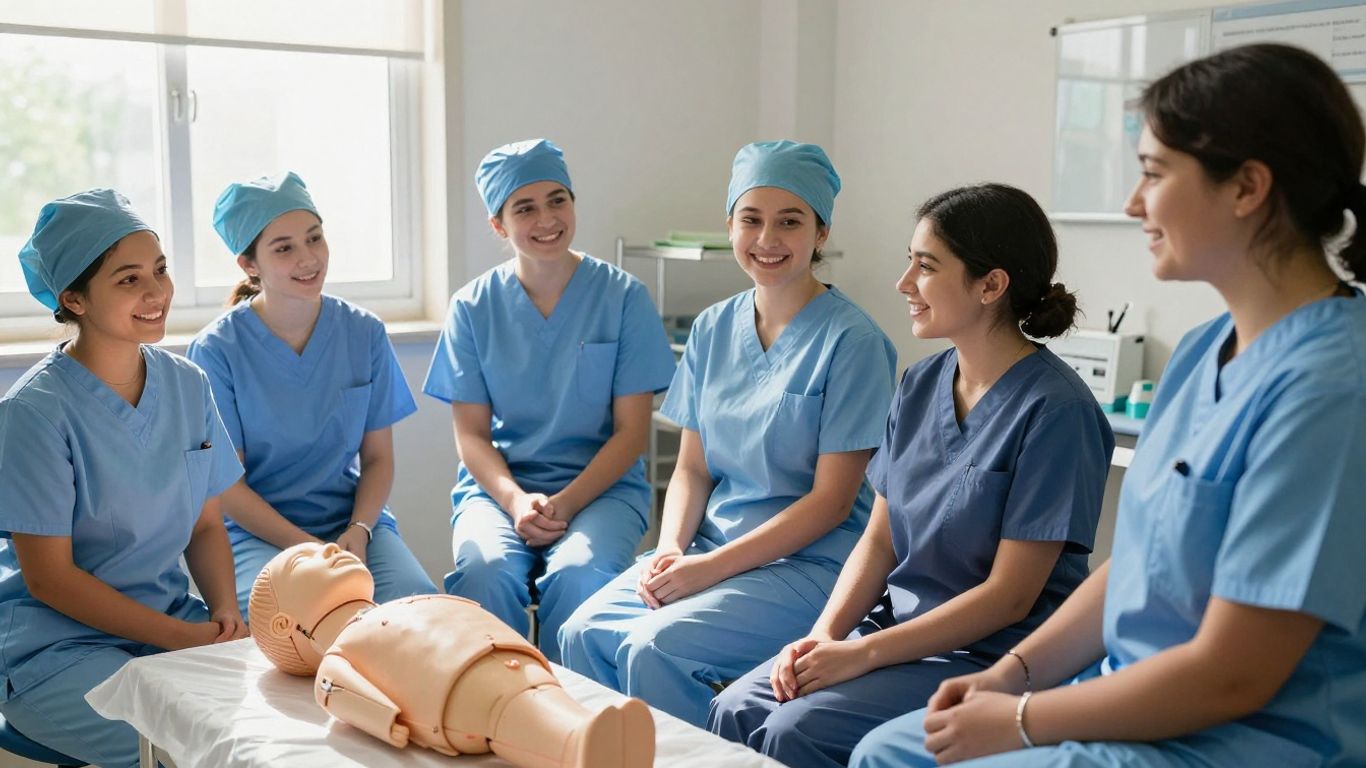
Thinking about a career in healthcare? Texas Regional Healthcare Training Center, located in Georgetown, TX, offers a solid path to becoming a Certified Nurse Aide (CNA). They focus on giving you the practical skills you’ll actually use on the job. It’s a state-approved program, which is a big deal because it means you’re getting training that meets official standards.
They really emphasize hands-on learning, so you’re not just sitting through lectures. You’ll get to practice the skills needed for patient care in a setting that mimics a real healthcare environment. This kind of training helps build confidence before you even step into a clinical setting. Plus, they offer flexible schedules, which is super helpful if you’re juggling work or family commitments. You can often find day, evening, or weekend classes to fit your life.
Here’s a quick look at what they focus on:
- Patient Interaction: Learning how to communicate effectively with patients and help them maintain their independence.
- Basic Care Skills: Mastering tasks like taking vital signs, assisting with daily living activities (bathing, dressing, eating), and proper body mechanics for lifting and moving patients.
- Safety and Infection Control: Understanding how to keep patients and yourself safe, including infection prevention techniques.
The program aims to prepare you not just for the certification exam but also for the day-to-day realities of being a CNA. They want you to be ready to provide basic nursing care in places like hospitals or nursing homes.
If you’re looking for a place that combines practical training with a supportive environment, Texas Regional Healthcare Training Center might be a good fit for you. You can contact them to get the latest details on their programs and start your journey.
Nurse Aide Program
Thinking about a career in healthcare? A Nurse Aide program could be your first step. These programs are designed to get you ready for an entry-level position, focusing on the hands-on skills and knowledge needed to assist patients and nurses.
The core of any Nurse Aide program is preparing you to provide direct patient care. This means learning how to help individuals with daily activities like bathing, dressing, and eating, all while respecting their dignity and privacy. You’ll also get trained in taking vital signs, monitoring patient conditions, and reporting any changes to the nursing staff. It’s a role that requires a good mix of compassion and practical skill.
Here’s a general idea of what you can expect to learn:
- Patient Care Skills: This covers everything from personal hygiene and comfort measures to assisting with mobility and feeding.
- Safety and Infection Control: Learning how to prevent the spread of germs and keep patients safe in their environment is a big part of the training.
- Communication and Observation: You’ll practice how to talk effectively with patients and their families, and how to notice and report important details about a patient’s health.
- Basic Medical Procedures: This includes things like taking vital signs (temperature, pulse, respiration, blood pressure) and understanding basic anatomy.
Many programs are quite short, often fitting into just a few weeks, which is great if you want to start working quickly. You’ll typically find a mix of classroom learning and hands-on practice in a clinical setting. This practical experience is where you really get to apply what you’ve learned. If you’re looking for a way to enter the healthcare field without a lengthy educational commitment, a Nurse Aide program is definitely worth looking into. You can find various options available, including those that focus on specific training needs.
The goal of these programs is to equip you with the foundational abilities needed to be a reliable member of a healthcare team. It’s about building confidence in your skills so you can provide good care from day one.
When you finish your training, you’ll usually need to pass a state certification exam. This exam typically has two parts: a written test on your knowledge and a practical skills test where you demonstrate your abilities. Passing this exam is what allows you to become a Certified Nurse Aide (CNA) and get listed on the state registry, making you eligible for employment. It’s a straightforward process designed to confirm you have the necessary competencies. For those interested in the specifics of healthcare roles, understanding the requirements is key, much like understanding the process for home restoration if your house needs repairs.
Cna Program For College Students
So, you’re in college and thinking about a healthcare career, but maybe a full nursing degree feels like a big leap right now? A CNA program could be a really smart first step. It’s a way to get your foot in the door, gain hands-on experience, and see if the medical field is truly for you, all without committing to a four-year degree just yet. Many college students find that fitting a CNA program around their existing studies is totally doable, especially with flexible scheduling options.
This can be a fantastic way to build practical skills while still pursuing your higher education.
Here’s a breakdown of what to expect and why it makes sense for students:
- Gain Real-World Experience: You’ll be working directly with patients, learning essential care techniques that textbooks can’t teach. This isn’t just about passing a class; it’s about developing empathy and practical abilities.
- Explore Healthcare Roles: Being a CNA gives you a firsthand look at different healthcare settings – hospitals, nursing homes, even home care. It might help you decide if you want to become a Registered Nurse (RN), a Physical Therapist, or something else entirely. For instance, some students use their CNA work hours to apply to Registered Nursing School.
- Flexible Scheduling: Many programs understand that students have classes. They often offer evening, weekend, or hybrid options so you can balance your education and training.
- Affordability: Compared to a full degree, CNA programs are significantly less expensive. Plus, there are often ways to get training funded or reimbursed, especially if you plan to work in a healthcare facility after certification.
Many college students find that a CNA certification is a stepping stone. It provides immediate job opportunities and valuable experience that can inform future academic and career decisions within the healthcare sector.
Think of it as a practical exploration phase. You get to test the waters of patient care, build a professional network, and earn while you learn, all of which can make your college journey and future career path much clearer. It’s a smart move for any student considering a future in medicine.
Jumpstart Medical Career Program
Thinking about getting into healthcare but don’t have a lot of time? The Jumpstart Medical Career Program is designed for folks like you who want to get moving fast. It’s a quick way to get the training you need to start working in a medical setting.
This program is all about getting you ready for the job market without a long commitment. It’s perfect if you’re looking for a career change or just want to get your foot in the door of the healthcare world quickly.
Here’s what you can expect:
- Accelerated Curriculum: Focuses on the most important skills needed for entry-level healthcare roles.
- Hands-on Training: Practical experience in simulated environments to build confidence.
- Career Focus: Guidance and support to help you find your first job in the field.
This program is a great option if you’re aiming to become a Certified Nurse Aide (CNA) and want to do it efficiently. It’s a solid path for those who are motivated and ready to learn. You’ll cover the basics of patient care, safety procedures, and how to work effectively in a healthcare team.
The healthcare industry is always looking for dedicated individuals, and a program like this can set you on the right track. It’s about making a practical step towards a stable and rewarding career.
Many places offer these kinds of fast-track programs, and they can be a smart financial choice too. You get trained and can start earning sooner. If you’re interested in getting paid training to become a Nurse Aide, this could be the way to go paid training.
Cna Program For High School Students
Thinking about a healthcare career while still in high school? Becoming a Certified Nursing Assistant (CNA) is a fantastic way to get your foot in the door. Many programs in San Antonio are designed with younger students in mind, offering flexible schedules that can work around your classes. It’s a chance to gain real-world experience and see if the medical field is the right fit for you, all before you even graduate.
Getting started is simpler than you might think. You’ll typically need to be at least 16 years old and have a certain level of reading and writing ability. Some programs might require a high school diploma or GED, but others are more flexible. It’s always a good idea to check the specific admission requirements for each school you’re interested in. For instance, Southern Careers Institute San Antonio North often has options that cater to students looking to start early.
Here’s what you can generally expect from a CNA program geared towards high schoolers:
- Classroom Learning: You’ll cover important topics like patient rights, safety procedures, basic anatomy, and how to communicate effectively with patients and their families.
- Hands-On Skills: This is where you’ll learn the practical stuff, like taking vital signs, helping patients with daily activities (like bathing and dressing), moving patients safely, and basic first aid.
- Clinical Experience: Most programs include time spent in a real healthcare setting, like a nursing home or hospital. This is your chance to practice what you’ve learned under the supervision of experienced professionals.
The healthcare field is always looking for dedicated individuals. Starting your CNA journey in high school can give you a significant head start, providing valuable skills and a clear path toward further education or employment in healthcare.
Many programs also offer support for finding employment after you’re certified. Some facilities even have programs where they’ll help pay for your training if you agree to work for them afterward. It’s a smart way to get your education paid for and start earning right away. Remember to look into the specific requirements, like needing a high school diploma or equivalent, as these can vary. You can find more details on general requirements at 371a.
Accelerated 3-Week Cna Program
Looking to get into the healthcare field super fast? Some places in San Antonio offer CNA programs that can be finished in just three weeks. This is way quicker than the usual programs, which is awesome if you need to start working right away or are changing careers. It means less time in school and more time on the job, making a difference.
These super-short programs pack a lot into a small timeframe. You’ll cover the basics of patient care, learn how to take vital signs, and get hands-on practice with essential skills. It’s intense, for sure, but totally doable if you’re focused.
Here’s a general idea of what you might need to get started:
- A valid ID, like a driver’s license or passport.
- Proof of high school completion (diploma or GED).
- A negative TB test result from the last six months.
- A social security card or ITIN.
These programs are designed for people who are serious about a healthcare career and can commit to a demanding schedule. It’s a sprint, not a marathon, to get you certified and ready for your first job.
While three weeks is incredibly fast, it’s important to check what each specific school offers. Some might have slightly different requirements or schedules. For instance, some programs might be geared more towards existing healthcare staff looking to get certified quickly. It’s always a good idea to reach out directly to the training centers to get the most up-to-date information on their CNA training programs and what they include. Getting your CNA certification this quickly can be a real game-changer for your career path.
Distance Learning Program
For those who need a bit more flexibility, distance learning for CNA programs in San Antonio is definitely an option to look into. This setup lets you complete a good chunk of your coursework from the comfort of your own home. It’s a smart way to balance training with other life commitments, like work or family.
Typically, these programs use a live virtual platform, meaning you’re still interacting with instructors and classmates in real-time, just not in person. The hands-on skills and clinical practice, however, will still require you to be on-site for a set number of days. Usually, it’s around four days, but this can vary between institutions. You’ll often schedule these clinical days either before or after your online sessions, giving you some control over your schedule.
Here’s a general idea of how it might work:
- Online Theory: Complete lectures, readings, and assignments through a virtual classroom.
- Live Virtual Sessions: Participate in real-time discussions and Q&A with instructors.
- In-Person Clinicals: Attend scheduled sessions for hands-on skill practice and patient care.
- Scheduling Flexibility: Arrange clinical hours to fit your availability.
This approach is great because it cuts down on your commute time and allows you to learn at your own pace for the theoretical parts. It’s a modern way to get certified and start your healthcare career without having to be physically present for the entire duration of the program. Many places offer these types of programs, so it’s worth checking out various CNA training options to see which fits best.
The blend of online learning and in-person practice is designed to be efficient. It acknowledges that not everyone can attend full-time, in-person classes and provides a viable alternative for aspiring CNAs. The goal is to get you trained and ready for the workforce without unnecessary delays.
Remember to check the specific requirements for each program, as the number of in-person days and the structure of the clinicals can differ. Some programs might even allow you to complete your clinicals at your convenience, which is a huge plus if you have a busy life. It’s a solid path to becoming a CNA, especially if you’re looking for ways to complete training that work around your schedule.
Online Classes Program
Looking for a way to get your CNA certification without being tied to a classroom all day? Online classes might be just the ticket. Many programs now offer a live virtual platform where you can do most of your coursework from home. This means you can still learn all the important stuff, like patient communication and body mechanics, without having to commute every single day.
The best part is that you’re not completely isolated; you’ll still have scheduled in-person days for hands-on clinical practice. This is usually just a few days, and you can often schedule them around your existing commitments. It’s a smart way to balance your learning with other responsibilities you might have.
Here’s a general idea of what to expect:
- Virtual Classroom Sessions: Engage in live, instructor-led lessons via a virtual platform.
- Flexible Scheduling: Complete coursework at your own pace, fitting it around work or family.
- Required Clinical Practice: Attend a set number of in-person sessions for essential hands-on training.
- State-Approved Curriculum: Ensure the program meets all requirements for CNA certification in Texas.
This blended approach is designed to give you the flexibility of online learning while still providing the critical real-world experience needed to become a competent Certified Nursing Assistant. It’s a modern solution for a growing field.
Some programs even allow you to schedule your clinicals before or after completing your online coursework, giving you even more control over your training timeline. It’s a great option if you’re looking for a flexible CNA program that fits into a busy life.
Conclusion
So, if you’re looking to jump into a healthcare career without a long wait, those 4-week CNA classes in San Antonio are definitely worth checking out. They pack a lot of learning into a short time, making it easier to get certified and start working. It’s a fast track to a job that really helps people. Think about what fits your life best, and get ready to start making a difference.
Frequently Asked Questions
What is a CNA?
A CNA, or Certified Nursing Assistant, is someone who helps patients with daily tasks like eating, bathing, and moving around. They work closely with nurses and doctors to make sure patients are comfortable and cared for. It’s a hands-on job where you directly help people.
How long does a 4-week CNA class usually take?
These classes are designed to be quick. You’ll typically spend your time in class for about four weeks. Some parts might be online, but you’ll definitely need to attend in-person sessions for the hands-on skills part. It’s a busy schedule, but it gets you certified fast.
What will I learn in a 4-week CNA program?
You’ll learn all the basics needed to be a CNA. This includes how to properly care for patients, take their vital signs like temperature and blood pressure, help them with personal hygiene, and understand patient rights and safety rules. You’ll also practice skills like moving patients safely.
Can I really become a CNA in just 4 weeks?
Yes, you can! Many schools in San Antonio offer these accelerated programs. They pack the training into a shorter time frame so you can get your certification and start working in the healthcare field sooner than you might think.
Are there any online options for these 4-week classes?
Some programs use a mix of online and in-person learning. You might do the classroom-style learning, like patient rights and anatomy, online from home. But you absolutely must go to the school for hands-on practice and clinical work at a real healthcare place. You can’t learn those skills just from a screen.
What kind of jobs can I get after finishing a 4-week CNA program?
Once you’re certified, you can work in many places! Hospitals, nursing homes, assisted living facilities, and even in people’s homes are common places for CNAs to work. It’s a great starting point for a career in healthcare, and many CNAs use this experience to move on to other nursing roles later.