
Key Takeaways
- The University of Maryland offers a range of paths for students entering the healthcare field.
- Students can pursue various degrees including the Bachelor of Science in Nursing at major regional campuses.
- Clinical training integrates high-fidelity simulation with direct patient interactions at leading medical centers.
- Dedicated support systems and robust alumni networks assist graduates in securing roles across the region.
- Competitive applicants often prioritize high GPA standing and completion of rigorous science prerequisites early in their education.
Overview of the UMD nursing program
History and mission of the school
The University of Maryland School of Nursing maintains a long-standing commitment to improving healthcare delivery through comprehensive education and community-focused research. Since its inception, the institution has focused on cultivating leaders who bridge the gap between complex research and compassionate bedside care. The school emphasizes a holistic approach, ensuring that students are prepared to address the evolving needs of diverse populations in urban and rural environments alike.
Rankings and institutional prestige
The school is widely recognized for its rigorous academic standards and its contributions to nursing science. By maintaining a focus on research-driven instruction, the faculty ensure students participate in evidence-based practice models that are standardized across the nation. This reputation as a premier academic center draws highly qualified candidates annually, fostering a competitive yet collaborative learning environment for aspiring healthcare professionals.
Campuses and location overview
Students have access to facilities in key urban areas, specifically in Baltimore and the Universities at Shady Grove. These locations are strategic, providing proximity to major healthcare hubs that facilitate clinical placements. By embedding programs within these communities, the institution ensures that learners gain a deep understanding of local health disparities and the resources required to combat them effectively.
Degree programs and academic pathways

Bachelor of Science in Nursing (BSN) options
The fundamental BSN pathway is designed to move students from theoretical coursework into active clinical practice within four years. Aspiring nurses typically complete general education requirements followed by intensive nursing-specific modules that prepare them for licensure.
| Program Level | Typical Duration | Focus Areas |
|---|---|---|
| Traditional BSN | 4 Years | Foundational Clinical Skills |
| Accelerated BSN | 15 Months | Intensive Skill Acquisition |
| RN to BSN | 18-24 Months | Leadership and Advanced Practice |
Master of Science (MS) specializations
Graduate study allows nurses to specialize in advanced practice, management, or informatics roles. These programs are structured to offer deep dives into clinical leadership and specialized patient care techniques. Students benefit from mentorship by faculty who are actively engaged in clinical research, translating new findings directly into the curriculum.
Doctoral programs (DNP and PhD)
For those pursuing the highest level of mastery, the DNP and PhD tracks focus on executive leadership and independent research respectively. These programs aim to produce practitioners capable of influencing policy and enhancing organizational health outcomes. Doctoral candidates often collaborate with interdisciplinary teams to optimize systemic healthcare delivery models.
Accelerated and RN-to-BSN paths
Flexible pathways accommodate professionals looking for career transitions or educational advancement. These tracks recognize existing skills while providing the specialized training necessary to meet modern nursing certifications. By streamlining the educational process, students can enter or re-enter the workforce as highly skilled professionals in a compressed timeframe.
Admissions criteria and application process
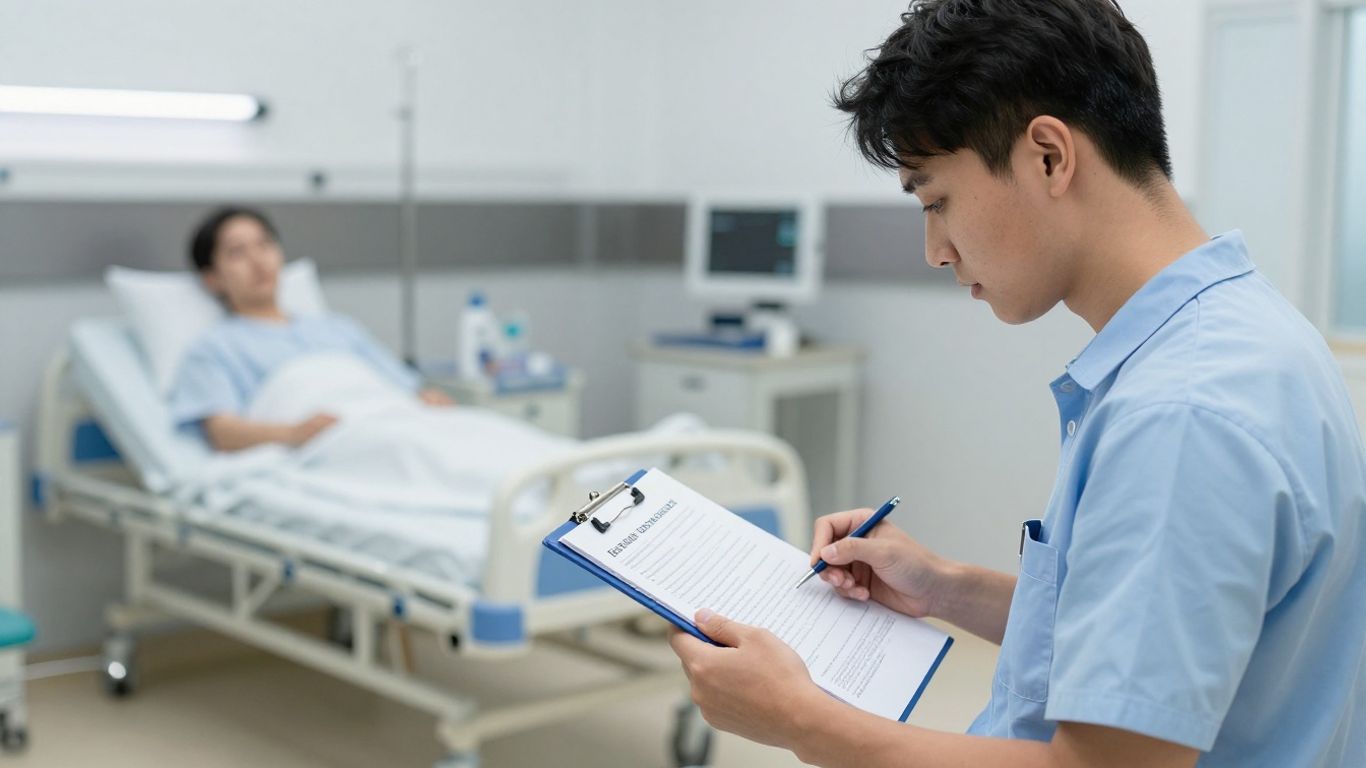
Prerequisites for undergraduate entry
Successful entry into the nursing program requires the completion of foundational courses in the sciences and humanities. Applicants must ensure their academic history reflects a strong performance in vital subjects such as:
- Human Anatomy and Physiology I & II with Lab components
- Microbiology and related life science coursework
- Statistics and introductory Psychology fundamentals
- English composition and communication core requirements
Standardized testing and GPA requirements
The application process is highly competitive, focusing heavily on cumulative GPA and performance on standardized nursing entrance examinations. Admissions committees evaluate candidates based on their readiness for the rigor of the clinical portion of the degree. High-performing students often find it beneficial to engage with the University of Maryland School of Nursing to understand current expectations for prospective entrants.
Application timelines and deadlines
Prospective students must adhere to strict deadlines, typically aligned with fall and spring enrollment cycles. It is critical to initiate the process during the open application window as late submissions frequently encounter significant processing delays. Interested candidates should monitor official communication channels to ensure all transcripts and supplemental documents are verified well before the final closing dates.
Tips for a competitive nursing school application
Crafting a strong application involves showcasing academic growth alongside a genuine dedication to the nursing profession. Relevant volunteer experience and a clearly articulated interest in the field can often set a candidate apart from their peers. Networking with current students or attending information sessions provides valuable insight into the attributes that the school values in its incoming cohort.
Clinical rotations and hands-on training
Partnerships with regional medical centers
The school maintains extensive Maryland Nurse Support Program connections, allowing students to observe and contribute to various clinical settings. These partnerships enable hands-on experience in hospital departments, enabling students to witness the complexities of patient management firsthand. Working alongside expert preceptors, students observe how theoretical knowledge translates into real-world clinical decision-making.
Simulations and high-tech lab facilities
Before entering the clinical environment, students sharpen their skills in high-tech simulation labs. These spaces replicate hospital conditions, allowing for the rehearsal of procedures without risk to actual patients. By practicing in a controlled setting, learners build confidence and technical dexterity that serves them well during their actual clinical rotations.
Integrating theory into bedside practice
The transition from academic discourse to physical patient care remains a central pillar of the curriculum. Students are taught to evaluate evidence as it applies to individual patient scenarios. This integrative approach ensures that each decision made at the bedside is informed by the latest clinical research and ethical standards.
Career outcomes and alumni support
NCLEX-RN pass rates and benchmarks
The institution frequently posts strong results on the national licensure examinations. These pass rates serve as a reflection of the comprehensive preparation programs offer, ensuring that graduates are ready to enter the local and national workforce with the required credentials.
Job placement services for nursing graduates
Career services provide dedicated support for those navigating the transition into professional employment. Graduates receive guidance on resume construction, interview techniques, and matching their personal capabilities with the needs of diverse healthcare employers across the state.
Networking through the UMD alumni network
The value of professional connectivity extends beyond graduation, fostering relationships that provide lifelong mentorship and collaborative opportunities for all alumni navigating the complex and ever-changing landscape of modern healthcare.
This network connects new graduates with experienced professionals who can offer advice on career advancement and clinical focus areas. Such connections are often instrumental in securing initial roles and finding long-term professional satisfaction within specialized medical fields.
Salary expectations in Maryland and beyond
Earnings for nursing professionals are competitive, influenced by education level, specialty area, and the specific healthcare setting. While local and regional economic factors contribute to total compensation, holders of advanced degrees typically command higher entry-level salaries. Graduates often find that the Top nursing schools in Maryland education provides a solid financial foundation for their careers.
Conclusion
The path to becoming a licensed professional through these academic programs is designed to foster both technical excellence and compassionate patient interaction. By combining rigorous classroom instruction with extensive clinical exposure, students graduate as well-rounded professionals prepared for the challenges of contemporary healthcare. The combination of state-of-the-art facilities and a supportive alumni community creates a lasting foundation for any career in the nursing field.
Frequently Asked Questions
How long does the typical nursing degree take to complete?
A standard baccalaureate path typically spans four years, though accelerated options exist for those who have already completed a previous degree in another discipline.
Are there flexible options for working professionals?
Many institutions offer part-time tracks and evening clinical options to accommodate individuals balancing professional responsibilities with their academic requirements.
What is required for clinical rotation participation?
Students must generally maintain a specific GPA, provide proof of required vaccinations, pass background checks, and hold active student malpractice insurance prior to entering clinical units.
Can students from other states attend this program?
Yes, out-of-state students are welcome to apply, though they should carefully review institutional policies regarding tuition structures and reciprocity agreements concerning eligibility for licensure.
How are clinical placements assigned for students?
Placements are typically managed by a faculty coordinator who balances individual educational needs with the availability of rotations at regional healthcare sites.
Does clinical experience guarantee immediate job placement?
While clinical rotations provide excellent networking opportunities and hands-on experience, students are still required to undergo the standard hiring and interview processes of their chosen employers.
What are the benefits of pursuing a graduate degree in nursing?
Advanced degrees often allow for higher compensation, increased clinical autonomy, and leadership positions in research, education, or specialized clinical management roles.