Key Takeaways
Choosing the right path for your medical training is a significant step toward a stable career in the nursing field, and Nashville offers several reputable options for aspiring professionals. Consider these essential points when evaluating your educational journey:
- State-approved programs are mandatory for eligibility to sit for the Tennessee certification exam.
- Many local institutions partner with healthcare providers to offer clinical rotations in real-world settings.
- Applicants should research specific program start dates, as some cohorts only open at set times during the year.
- Financial aid and tuition assistance programs can significantly lower the cost of professional certification.
- Graduates from accredited programs are often recruited directly by local long-term care facilities and hospitals.
Tennessee College of Applied Technology Nashville
The TCAT Nashville serves as a primary hub for technical education in the region, providing students with structured paths toward professional certification. By focusing on hands-on experiences and theoretical knowledge, the institution ensures that learners are prepared to address the needs of patients in diverse clinical environments. The curriculum is built to align with state standards, making it a reliable choice for those seeking entry into the healthcare workforce.
Students often find that the emphasis on practical skills helps them gain confidence before entering high-pressure settings. The program encourages students to cultivate a professional bedside manner that remains critical throughout their career in patient care. Instructors guide participants through the complexities of daily living assistance and infection prevention protocols in a supportive, classroom-based environment.
Completing training here often positions individuals for immediate job placement within regional medical facilities. The school maintains a commitment to accessible education, providing various resources for those managing tuition and associated costs. Graduates consistently report feeling ready to handle the demands of their exams and the responsibilities of being a certified professional in the medical field.
NATS, Inc.
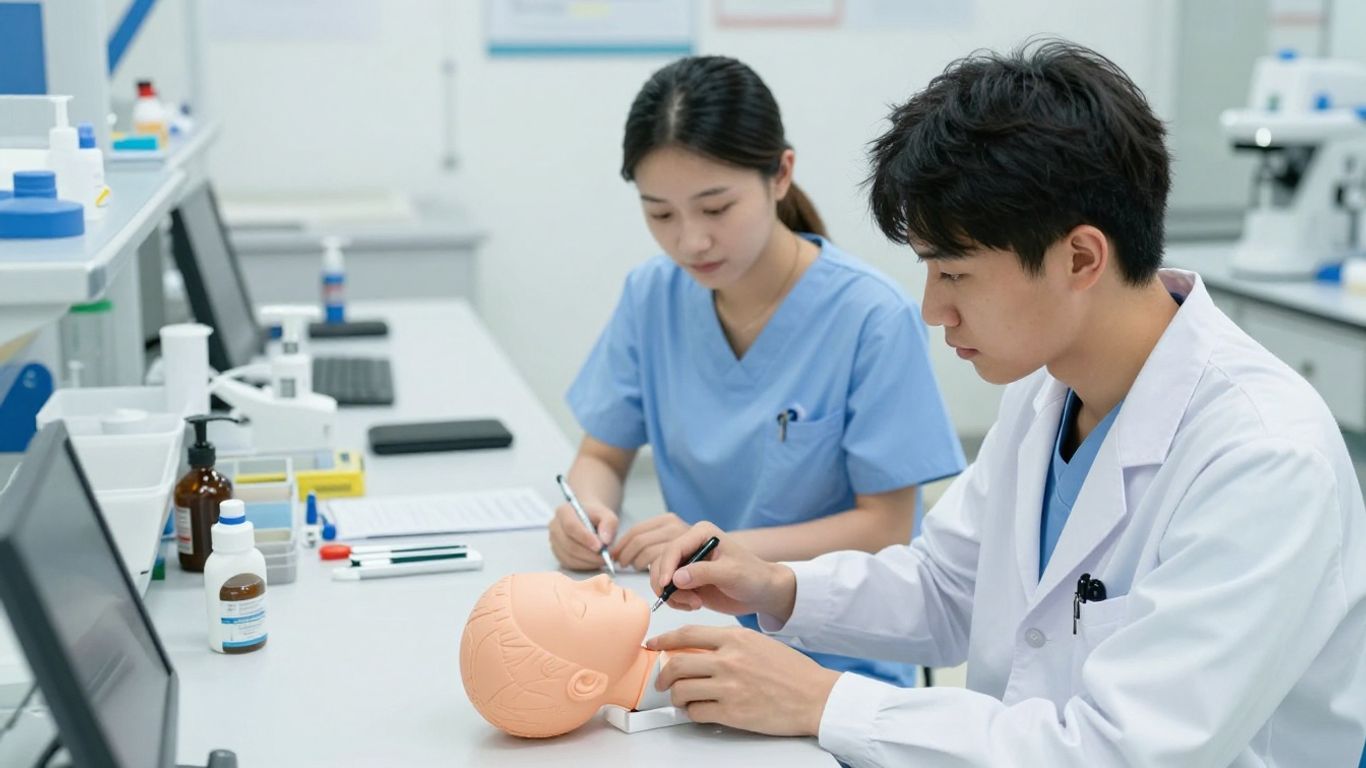
At NATS Inc., the focus lies on intensive classroom and clinical preparation tailored for aspiring medical professionals. This institution has spent over two decades developing high-quality curriculum designed to meet the rigorous demands of the healthcare market. Students spend significant time mastering the core procedures required to function effectively as part of a dynamic nursing team.
Training involves simulations and live clinical experience to bridge the gap between theory and everyday practice. Prospective students should review the following core focus areas to understand the scope of the program’s offerings:
- Clinical procedural skills in outpatient settings
- Real-world venipuncture and laboratory techniques
- State-approved nurse aide competency evaluation preparation
- Professional conduct geared toward prioritizing patient care
After completing the core requirements, students are fully prepared to navigate the state evaluation process. The program’s mission is to provide an affordable yet high-level education, enabling new graduates to step into roles at hospitals or home health agencies with a clear understanding of their responsibilities. By maintaining authorization from state boards, the school ensures its graduates remain competitive in the job market.
Tennessee Healthcare Institute
This institute provides a targeted approach for residents of Middle Tennessee seeking to obtain their credentials quickly. The program focuses on foundational patient care skills, including mobility support, vital sign measurement, and proper documentation procedures. These fundamentals serve as the backbone for any successful career in a professional medical facility or long-term care center.
Instructors at this facility emphasize the importance of compassion, ensuring that trainees grasp the emotional components of caregiving alongside their technical duties. Students work with modern medical equipment to ensure they are familiar with the tools commonly found in contemporary care facilities. Following this curriculum, students gain the necessary exposure to navigate complex patient needs with efficiency.
To better understand the time commitments and curriculum focus, students may consult a comparison table of typical program expectations for certification prep:
| Feature | Full-Time Day Intensive | Evening Hybrid Format |
|---|---|---|
| Program Duration | 3-5 Weeks | 8-10 Weeks |
| Focus Areas | Lab & Clinical | Theory & Simulated Lab |
| Schedule | M-F, 8 AM – 3 PM | Sat/Sun, 9 AM – 4 PM |
| Exam Prep | Included | Included |
This format allows working professionals to select a schedule that best fits their personal circumstances while still meeting the required hours for state certification. Having diverse scheduling options ensures that more individuals can pursue their goal of becoming a certified professional in a manageable timeframe.
Phlebotomy Career Training

Phlebotomy Career Training offers a specialized pathway for those interested in expanding their diagnostic skill set beyond basic nursing assistant duties. While the name highlights laboratory work, the institution also provides broader training relevant to the nursing field. Learners gain experience in venipuncture and other technical tasks that are highly valued in acute and outpatient medical environments.
Modern healthcare teams require versatile members who can manage both direct patient care and essential diagnostic support. By integrating hands-on experience in these areas, this program helps students stand out in a competitive job market. The training environment simulates high-volume clinics, which allows students to develop the speed and accuracy necessary to thrive in these settings.
Prospective trainees will find that the program balances intensive technical training with crucial patient interaction protocols. By mastering the finer points of specimen collection and patient safety, graduates contribute significantly to the smooth operation of clinics and hospitals. The resulting versatility makes them valuable additions to any healthcare professional team.
Volunteer State Community College
Volunteer State Community College offers a comprehensive nursing education path that serves as a solid foundation for those looking to start their medical careers in Tennessee. The program is part of a larger, established educational network, allowing students access to extensive academic resources and career counseling. This environment is ideal for those who want to build a long-term roadmap that could eventually include LPN or RN schooling.
Students have the opportunity to engage with instructors who have extensive real-world experience, fostering a deep understanding of professional medical standards. Classes focus on the intersection of human science and practical caregiving, ensuring that students treat patients with both technical proficiency and genuine empathy. This approach helps create well-rounded practitioners who can easily adapt to different hospital units.
Beyond technical skill acquisition, the college emphasizes professional development and networking within the healthcare industry. Many students find that their peers and instructors become valuable contacts later in their careers. Graduates of the program are well-positioned to enter local healthcare systems that value comprehensive training and a disciplined approach to patient wellbeing.
Columbia State Community College
Columbia State Community College is widely recognized for its commitment to workforce development in the health sector. The training programs provided here are aligned with regional healthcare needs, ensuring that graduates are ready to step into current job opportunities upon certification. The college focuses on a blend of rigorous classroom study and supervised clinical practice.
Learning here involves interacting with diverse patient populations, which helps students sharpen their abilities to assess and communicate health information. Instructors prioritize clarity and precision, guiding students through each medical procedure with careful oversight. This hands-on intensity ensures that when training ends, participants feel prepared for their final state assessments.
Furthermore, the institution provides helpful support services to guide students through the complexities of state registry requirements. The focus remains on getting students certified and employed in the shortest time possible without sacrificing the quality of their education. Those planning their career start in this area will find this program to be a reliable and established choice.
Genesis Healthcare certified nursing assistant program
Participants in the program run by NHCCare engage in training that transitions directly into healthcare work. The focus here is an integrated model where academic instruction meets the realities of working in a professional care setting. This helps students understand the day-to-day operations of long-term care, providing a practical view of the medical industry.
Training modules cover essential topics such as resident rights, nutrition, restorative care, and personal assistance. Instructors are primarily concentrated on guiding students to pass their state exams while simultaneously mentoring them on the nuances of high-quality patient interactions. Because the training is often tied to employment, there is a strong focus on professional reliability from the very first day of class.
Excellence in patient care is achieved through a combination of rigorous academic preparation and consistent, hands-on clinical practice supervised by experienced professionals.
After completing the course, many graduates find that they have been equipped with the skills necessary to excel in any clinical scenario. The integration of theory and application in this program helps learners develop the mental fortitude required for long-term health careers. By the time they receive their certification, they are ready to contribute to the high standards of their healthcare teams.
Conclusion
Selecting one of the effective cna schools in nashville tn marks the beginning of an impactful career dedicated to patient wellbeing. Whether you prefer the intensive pace of a private career institute or the long-term support of an established community college, the options available provide a clear path to certification and employment. By focusing on your unique career goals and evaluating the clinical partnerships offered by these programs, you can make an informed choice that sets you up for lasting professional success in the medical field.
Frequently Asked Questions
How long does it usually take to complete a CNA program?
Most certification programs in Tennessee can be completed in approximately 3 to 8 weeks, depending on whether you choose a full-time intensive format or a part-time program.
Are there specific prerequisites for starting CNA training?
While requirements vary by school, most programs generally look for a high school diploma or GED and may require a background check or age verification for clinical placement eligibility.
Will my certification allow me to work in other medical settings?
Yes, once you pass the Tennessee state examination and are listed on the registry, your certification allows you to work in hospitals, home health agencies, and long-term care facilities.
Do I need to be a certified student before taking the exam?
Yes, you must successfully complete a state-approved nurse aide training program to qualify for the required competency evaluation and be listed on the state registry.
Is financial aid available for these training programs?
Many community colleges offer financial aid, and some specialized healthcare institutes provide tuition assistance or train-to-hire programs that can significantly offset costs.
What does the state exam consist of?
The state exam typically includes a written or oral knowledge assessment and a practical skills test that covers essential duties like vital signs, patient positioning, and personal care.
What are the main responsibilities of a CNA after graduation?
Graduates typically assist patients with activities of daily living, measure vital signs, monitor patient health changes, and document findings to assist the broader nursing team.