Key Takeaways
Starting a career as a nursing assistant in California requires careful planning, from choosing the right program to navigating the certification process. These essential steps provide a foundation for success in the healthcare field.
- Complete at least 160 hours of state-mandated training.
- Evaluate schools based on accreditation and specific program schedules.
- Budget for tuition along with potential additional clinical costs.
- Pass both written and hands-on portions of the state competency exam.
- Maintain your active status through regular continuing education and renewal.
Understanding the California CNA certification requirements
Entering the healthcare field via a nursing assistant program is a practical way to gain clinical experience and start a rewarding career journey. Aspiring students must meet specific regulatory hurdles set by the California Department of Public Health. These steps ensure that professionals are adequately prepared for the challenges of patient care in busy facilities.
Educational prerequisites for prospective students
Most training programs require candidates to be at least 16 years old and possess a high school diploma or a GED equivalent. Some institutions may also request an initial reading or math assessment to ensure students can handle the technical medical terminology they will encounter. It is a foundational step for future nurses who want to ensure they meet the baseline expectations before investing time and money into a program.
State-approved training program criteria
Training programs must comply with rigorous guidelines to be recognized by the state, ensuring a standardized level of quality for all students. This approval process guarantees that the curriculum covers mandatory topics like infection control, patient rights, and basic observational skills in a controlled classroom setup.
Clinical hour requirements mandated by the CDPH
California sets a firm requirement for supervised clinical training, where students perform patient care in real-world environments like Certified Nursing Assistant (CNA) classes and programs across California. This hands-on rotation ensures that classroom theory is applied directly to patient interaction under the watchful eye of a registered nurse or a licensed vocational nurse.
Background check and fingerprinting procedures
Safety is a paramount concern in healthcare, necessitating a thorough vetting process for every student. During this phase, individuals must undergo Live Scan fingerprinting to clear any potential criminal history. This vetting confirms that only qualified and reliable personnel are placed in sensitive bedside positions where they interact with vulnerable populations.
Choosing the right CNA school in California
Selecting a school involves more than just picking the first option on an internet search, as your learning environment significantly impacts your success. Prospective students should look for programs that align with their personal professional goals and regional accessibility, such as pursuing CNA certification in the Bay Area with our accelerated 4-week programs for localized training.
Evaluating school accreditation and state approval
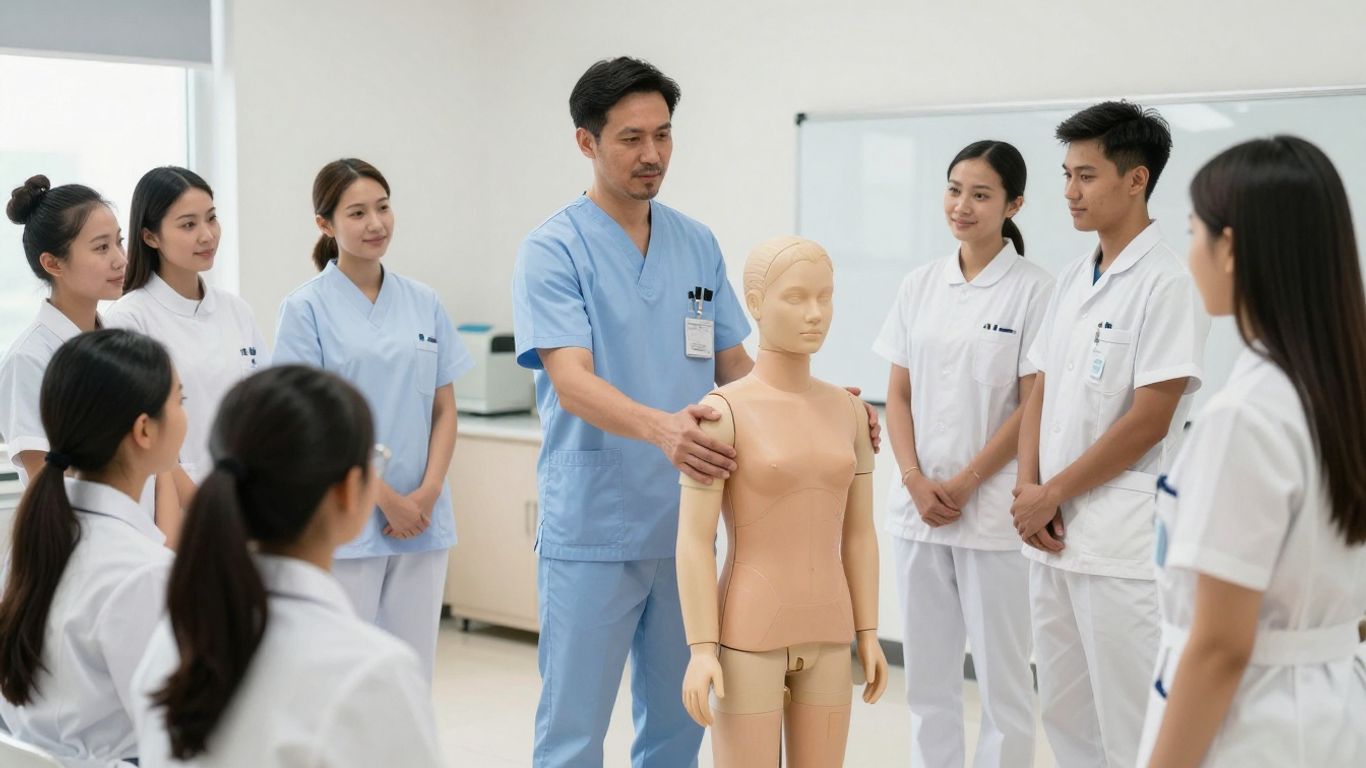
Accreditation acts as a benchmark of excellence, showing that a school maintains updated equipment and consistent curriculum standards. Always verify that your school appears on the official state-approved list to ensure that your coursework qualifies for the licensing exam later on.
Comparing day, evening, and weekend class schedules
Balancing your personal commitments often requires finding a flexible program that respects your current work or family schedule. The following table provides a comparison of typical formats to help you determine which structure fits your lifestyle.
| Schedule Type | Duration (Approx) | Best For |
|---|---|---|
| Weekday AM | 4–6 Weeks | Full-time availability |
| Weekday PM | 6–8 Weeks | Those balancing work |
| Weekend Only | 10–12 Weeks | Busy professionals |
Selecting the right cadence keeps you motivated and ensures that you do not burn out during the intensive training period.
Assessing location and commute considerations
Geography plays a surprising role in your success, especially when factoring in early clinical shifts that may start long before typical morning traffic. Assessing whether a campus is reachable by public transit or requires a long drive helps in evaluating the daily reality of your training regimen, particularly for those using resources like Become a Certified Nursing Assistant (CNA) with Goodwill Southern Los Angeles County’s state-certified training program.
Reviewing student-to-instructor ratios for personalized learning
Smaller classes allow for more hands-on time, which is essential if you are new to the medical field. When programs manage their student load well—perhaps by using advanced organizational tools similar to the way businesses use EarnBill to keep track of their complex billing and scheduling needs—they ensure every student gets their questions answered during difficult clinical simulations.
Financial considerations and funding options
Managing training costs is a significant part of the journey, as tuition, textbooks, and examination fees add up. Students should explore every available avenue from grants to employer-sponsored programs to offset their out-of-pocket expenses.
Analyzing total tuition and hidden costs
Tuition often serves as the base figure, but you must also account for scrubs, background check fees, and specialized vaccinations required for hospital rotations. Factoring these in now keeps your budget healthy throughout the training duration.
Searching for financial aid and scholarship opportunities
Federal grants or state-specific workforce development scholarships can provide a much-needed financial boost. Many community colleges also offer payment plans that allow you to settle your costs in installments if a lump-sum payment is not feasible at the start.
Employer-sponsored training programs as an alternative
Some skilled nursing facilities cover the entire cost of your training in exchange for a period of service after graduation. This arrangement creates a win-win scenario, providing you with free education and a guaranteed immediate start to your healthcare career.
Repayment expectations and work-commitment agreements
If you choose a program paid for by an employer, it often involves a legally binding contract detailing your commitment. It is wise to carefully review these documents just as one would scrutinize the fine print of expert legal representation for your workers’ compensation claim in Las Vegas to protect your professional rights.
Preparing for the California state competency exam
Passing the state competency exam serves as the final gateway to your certification, combining a formal written assessment with a physical show of clinical skill. Many students find consistent practice with authorized study guides to be the most reliable indicator of confidence on test day.
Mastering the written clinical knowledge assessment
Studying for the written test involves mastering various domains, including resident rights, medical terminology, and basic human anatomy. Frequent review sessions are often better than last-minute cramming, as they create a persistent understanding of the material.
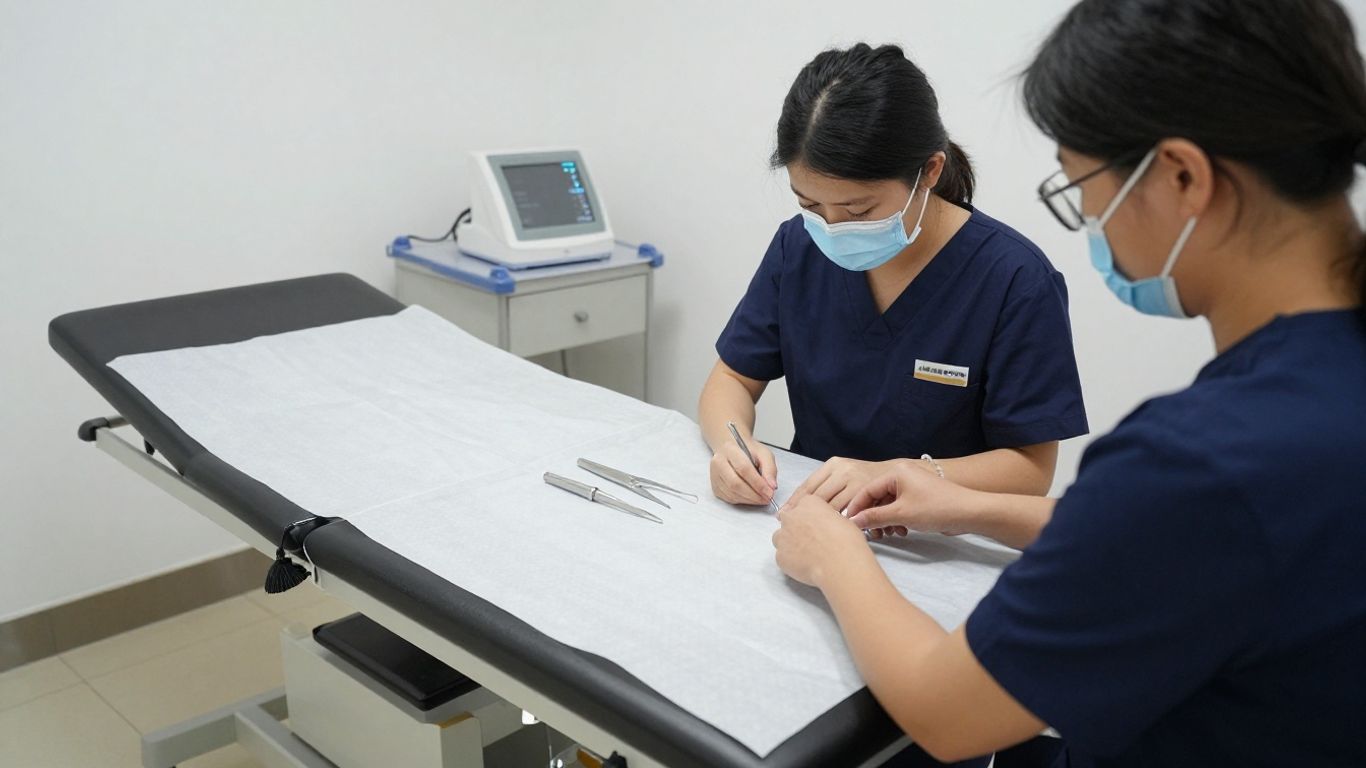
Practicing essential clinical skills for the hands-on portion
This section tests your ability to safely transfer a patient, take vitals, and assist with personal grooming. You must demonstrate these tasks with perfect compliance to the safety standards you learned in school. Consider these three keys to a successful clinical skills demonstration:
- Always introduce yourself and explain the procedure clearly to the examiner.
- Perform thorough hand hygiene before and after each patient interaction.
- Ensure patient privacy by keeping curtains drawn and the resident covered.
Mastering these steps ensures you do not miss critical points during the demonstration.
Utilizing official state testing resources and study guides
Official state practice manuals provide the best insight into how the exam is structured. These materials remove the mystery from the test format, allowing you to focus purely on your technical accuracy rather than worrying about the question layout.
Addressing test-day requirements and documentation
Make sure to pack your identification, test registration forms, and any required medical documentation well in advance. Organization ensures that your focus remains entirely on the exam performance itself, free from unnecessary administrative stress.
Navigating the job market after certification
Once you have your certificate, the vast landscape of California healthcare opens up with numerous entry-level opportunities. With the right strategy, you can find a role that matches your skills while you Become a Certified Nursing Assistant (CNA) with CSULB’s comprehensive program.
High-demand healthcare sectors in California
Skilled nursing facilities, assisted living homes, and even large hospital networks are constantly searching for reliable staff. These settings offer diverse experiences, from daily patient companionship to specialized focus on rehabilitative care.
Strategies for seeking employment during training
Networking at clinical sites often leads to job offers before you even finish your course. If you show dedication and professionalism during your rotations, facility managers are often the first to suggest an application.
Understanding the scope of practice for CNAs in nursing facilities
Knowing your boundaries is as important as knowing your tasks. CNAs primarily assist with activities of daily living and report observations to nursing staff. By staying within your scope, you maintain the highest standards of safety and professional integrity.
Opportunities for career advancement and specialization
Your journey does not have to end in entry-level care. Many CNAs eventually pursue higher healthcare training programs through the California Healthcare Skills Center or eventually transition into roles like LVN or RN as they gain more experience.
Maintaining your active status with the state
Certification is not a permanent status but one that requires periodic upkeep to remain valid under California law. Keeping abreast of deadlines ensures your ability to work is never interrupted by administrative oversight.
Tracking expiration dates and renewal cycles
Most certifications last two years, and you must complete your renewal requirements before the expiration date hits. Set a reminder in your digital calendar to avoid reaching out for late renewals, which can lead to unnecessary processing delays.
Completing mandatory continuing education units
Continuing education keeps your clinical knowledge sharp and exposes you to the latest safety practices. You can often satisfy these requirements through online platforms, much like integrating Claude with your CRM using the MCP framework requires ongoing updates for the best functionality, keeping your skill sets current.
Consistent professional development ensures that you continue to provide high-quality care that meets the evolving standards of the modern California healthcare system.
Applying these lessons ensures you remain a competitive, valuable member of your care team.
Reporting changes in contact information to the CDPH
If you move or change your primary email, ensure that you report these updates to the registry promptly. The Department of Public Health relies on this information to send out critical reminders about your professional status.
Resolving lapsed certification or disciplinary issues
If a lapse occurs, there is a specific process for reinstatement depending on how long your license has been inactive. Reach out to the state board at the earliest sign of an issue to avoid extended periods of being unable to practice.
Conclusion
Becoming a certified nursing assistant in California is a challenging yet deeply rewarding path that opens doors to stable employment and genuine chances to make a difference in patient lives. While the initial requirements and financial commitments may seem heavy, the long-term professional growth and the ability to aid those in need provide lasting value that makes the total investment worthwhile.
Frequently Asked Questions
Can I work as an assistant in California before I finish my certification?
No, state regulations generally require you to be fully certified and registered with the Department of Public Health before you can legally perform the duties of a nursing assistant in a professional care setting.
Are there online programs available for CNA training?
While some theory-based coursework may be offered online, California requires extensive, in-person clinical experience that cannot be fulfilled through virtual training modules alone.
How often do I need to renew my CNA certificate?
In California, you typically need to renew your certification every two years, which involves proving that you have completed the required hours of clinical work and mandatory continuing education units.
Does the state provide a list of approved training programs?
Yes, the California Department of Public Health maintains a public database of all programs that meet their current curriculum and clinical standards.
What should I do if I fail one part of the certification exam?
Most candidates are allowed to retake their examination within a specific timeframe, allowing you to focus on the area—either the knowledge or the skills portion—that needs improvement.
Is prior healthcare experience required to enroll in a program?
Most entry-level programs are designed for complete beginners and do not require prior medical experience, provided you meet the standard age and education requirements.
Are there specific vaccines or screenings needed for clinical rotations?
Yes, most nursing facilities require proof of immunizations, such as a tuberculosis test and influenza vaccine, before you are cleared to enter their clinical environments.