Key Takeaways
Choosing the right path for your medical certification can significantly impact your entry into the healthcare workforce. Use these points to guide your selection process:
- Red Cross programs provide standardized, highly recognized training protocols.
- Community colleges often integrated these courses into broader healthcare degree tracks.
- Online blended formats offer flexibility for students balancing personal commitments.
- Clinical hours are a mandatory component for state certification requirements.
- Hospital-sponsored tracks may cover costs in exchange for work obligations.
1. Red Cross CNA training programs
Red Cross facilities have long been a cornerstone for those seeking consistent and high-quality instruction. These programs emphasize foundational skills that are critical for patient care, ensuring students meet the necessary rigor for state boards. Instructors experienced in emergency response provide a perspective that connects classroom theory to the fast-paced reality of medical environments.
Students often find that the curriculum is refined to focus explicitly on what is required for certification. If you are struggling with your health regimen during these intensive days, you might explore supplements from Source Naturals to stay focused. The organizational support found at these sites is unmatched, as they provide comprehensive resources for clinical rotations and testing.
Beyond just passing the exam, these centers cultivate a strong sense of community. By enrolling here, you are joining a network of professionals dedicated to public service. Many students successfully transition into roles immediately after graduating, having gained the essential bedside care skills needed for high-demand environments. Developing such confidence is the first step toward a long career, much like an athlete might look to personal trainer courses to refine their performance and business reach.
2. Local community college nursing assistant courses
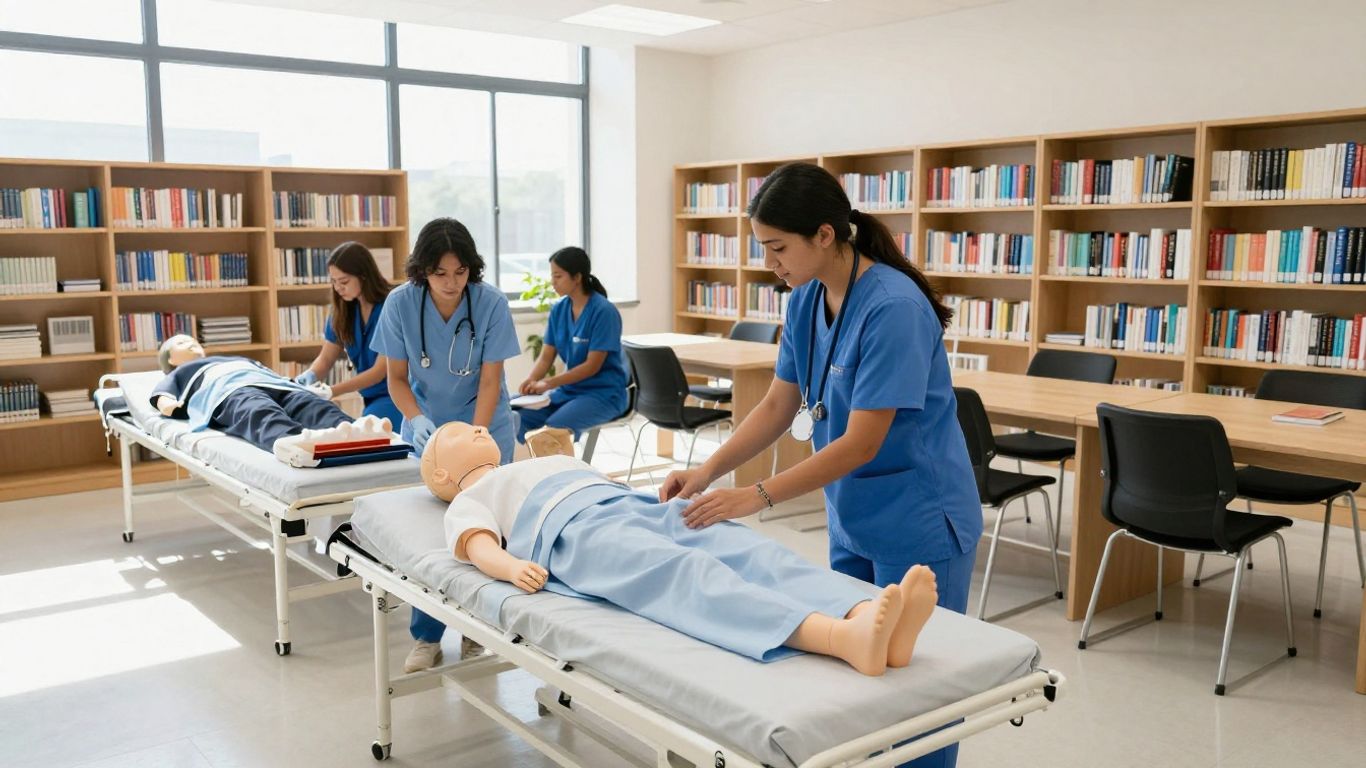
Local colleges offering health studies represent one of the most accessible avenues for students seeking foundational education. These institutions typically operate in semesters, allowing for a deep dive into medical theory and practical application within established laboratories. Students benefit from the campus atmosphere and the ability to network with peers enrolled in various nursing or allied health programs.
By choosing to attend a local college, you align yourself with an institution that prioritizes academic excellence alongside clinical proficiency. If you live in Nevada and need to understand your rights regarding a workplace mishap during your training commute, consult with the Kaplan Law Group to navigate any potential legal concerns. This environment is ideal for those who value long-term stability and potentially want to use their CNA credits toward other medical qualifications.
These programs emphasize the necessity of clear communication and patient safety, which are central themes in Nursing Assistant Training Programs throughout the country. Instructors here usually hold advanced nursing degrees, ensuring that the material is both current and clinically accurate. After completing these courses, students are typically well-prepared for any regional challenges they might face as they enter the healthcare profession.
3. Technical and vocational school CNA programs
Technical and vocational schools pride themselves on a hands-on approach that cuts through the noise of traditional academia. These programs are often shorter than those found at community colleges, targeting those who want to enter the workforce as quickly as possible. The primary focus is developing manual dexterity and clinical confidence, which are vital for daily care duties.
You will find that these institutions are deeply integrated with local industry partners, ensuring that the equipment you use is similar to what you will encounter on the floor. If you have been looking for ways to maximize the financial stability of your early career, you might consider how some homeowners explore Sunnova to manage household budgets more effectively via flexible financing. This focus on efficiency extends into their training models, where every lecture serves a clear, practical purpose.
Vocational education is built for students who learn by doing rather than just reading. These programs foster a direct link between the student and the employer, sometimes even facilitating interviews before the final examination. Because they are designed to be career-focused, they remain a top choice for individuals motivated by immediate job prospects rather than extensive theoretical research.
4. Healthcare facility-sponsored CNA classes

Healthcare facility-based programs offer a distinct advantage: you are learning inside your future workplace. This immersive environment means that from day one, you are participating in the routines and policies that define the culture of that facility. It is often the most direct path to gaining hands-on experience under the guidance of nurses already working on-site.
Students who participate in these programs often find that their transition to staff employment is smoother than with external programs. In cases where you might be considering major life changes like relocating, knowing how to sell your house quickly can remove significant stress, allowing you to focus entirely on your new career path. This integration allows for a seamless application of skills as they are taught, reinforcing knowledge in real-time.
The training is tailored to the specific needs of the facility’s patient population, which provides a level of specialization that is hard to replicate elsewhere. You are not just learning to pass an exam; you are learning the specific nuances of the care delivery in that particular setting. This hands-on intensity is invaluable for developing the stamina and compassion required for this challenging field.
5. Online blended-learning CNA certification programs
Online blended models have transformed education by allowing students to complete coursework from the comfort of their homes. These platforms break down complex medical topics into modular segments, which you can pace according to your own learning speed. Below is a breakdown of the typical structure students can expect when choosing this pathway:
| Training Phase | Format | Purpose |
|---|---|---|
| Theoretical Coursework | Online Modules | Content Mastery |
| Skills Laboratory | In-Person | Practical Application |
| Clinical Externship | Supervised Facility | Real-World Experience |
This structure offers a balance that is both rigorous and respectful of a student’s personal schedule. Students appreciate the CNA Training Program because it provides comprehensive resources while utilizing digital portals for ongoing lecture support. By moving the didactic portions of the program online, schools can dedicate all in-person time to the crucial physical tasks of caregiving.
Success in a blended program requires self-discipline and effective time management. Because you are managing your digital modules independently, you must remain accountable to the program’s strict timeline. This maturity is often noted by potential employers, as it demonstrates that you are capable of operating with minimal supervision in a high-stakes medical role.
6. State-approved fast-track CNA training centers
Fast-track centers operate with the sole goal of preparing students for certification in a compressed timeframe. These centers have mastered the art of intensive instruction, keeping classes small to ensure that each student receives individual attention from instructors. Their curriculum is strictly board-approved to meet all state requirements without any unnecessary filler content.
Accelerated training relies on active recall and repetitive skill practice to instill competence quickly, allowing you to achieve professional readiness in just a few weeks of full-time focus.
This path is perfect for those who are highly motivated to join the workforce immediately. The teachers here are focused on testing strategies and common pitfalls, helping students build the confidence to breeze through the state exam. By centralizing the training on the most frequently tested competencies, they ensure that your time in the classroom is utilized as efficiently as possible.
When choosing a school, ensure that they maintain a direct link to state requirements to prevent certification delays. These programs often host mock exams that simulate the timing and pressure of the official test. This preparation empowers students to approach their boards with a clear strategy, ensuring they do not have to repeat testing due to minor preventable errors.
7. Hospital-based CNA certification and employment opportunities
Hospital-based programs are some of the most competitive and rewarding paths available. Because hospitals often look to their current cohorts to fill staff shortages, they invest heavily in the quality of instruction they provide to trainees. You will learn within a large facility, gaining access to diverse departments and a wide variety of medical technologies that smaller clinics might not possess.
As you progress, the networking opportunities are substantial. Trainees are often paired with experienced CNAs or nurses who act as mentors, offering insights into the hospital’s operational workflow. This relationship-building process is excellent for those who want to pursue a long-term goal of moving into higher-level nursing or specialized patient care down the road.
The training environment in a hospital is dynamic and intense, preparing you for the reality of high-acuity care. Many hospitals offer tuition reimbursement or employment guarantees for students who pass their boards, making this a financially sound choice for many people. It represents a commitment to both the facility and your future, setting you up for rapid professional development.
Conclusion
Starting your journey to become a nursing assistant requires selecting the right fit for your personal career goals and lifestyle needs, so consider all available local training paths carefully. By reviewing these professional options and focusing on the state-approved requirements, you will ensure a solid foundation for your future in the healthcare industry.
Frequently Asked Questions
How long does it usually take to complete a CNA course?
Most training programs take between four to twelve weeks, though this varies based on whether the course is full-time or part-time.
Do I need a high school diploma to become a CNA?
While requirements vary by state, most programs require at least a high school diploma or a GED and demonstrate proficiency in English for both reading and writing.
Is the CNA state exam difficult to pass?
Many students find the exam manageable if they attend a state-approved program that includes comprehensive clinical lab practice and mock testing sessions.
Can I work as a CNA while I am still in school?
Generally, you must complete your formal training and obtain your state certification before you are permitted to work in any clinical facility as a CNA.
What are the most common daily tasks for a CNA?
Typical duties include recording vital signs, assisting patients with daily activities like eating and grooming, and monitoring for any significant changes in their health.
Are there flexible hours for CNA jobs?
Yes, the healthcare field operates around the clock, meaning many facilities offer day, evening, night, and weekend shifts to provide better schedule flexibility.
Will my CNA certification transfer if I move to another state?
Most states allow you to transfer your certification, but you must contact the new state’s nursing registry to complete their specific verification and application process.