Key Takeaways
Starting your journey to become a nursing aide in Louisiana involves specific training and regional regulations. Here are the core insights you need for success.
- Louisiana requires a minimum of 80 hours for state-approved nurse aide training programs.
- Aspiring students must meet age requirements, typically starting at 16, and pass criminal background checks.
- Prospective students should evaluate schools based on their state accreditation, clinical placement quality, and total cost of attendance.
- Financial assistance options range from employer-sponsored programs to state-funded grants, helping to offset tuition expenses.
- Successful certification requires a combination of classroom learning, supervised clinical hours, and passing a comprehensive state competency exam.
Understanding the requirements for CNA training in Louisiana
Beginning a career in local healthcare is a fulfilling goal for many residents who want to assist patients. Before you enroll in any institution, you must understand the regulatory landscape governing nurse aide education in the state. Meeting these prerequisites is the first step toward becoming a certified nursing assistant in your local community.
Minimum age and education prerequisites
Most training programs in the region mandate that applicants are at least 16 years of age to begin their coursework. While a high school diploma or GED is often preferred, many vocational schools require at least a fundamental grasp of reading and writing to handle course materials. Ensuring you meet these initial age and educational standards allows you to focus entirely on your professional training without administrative delays.
Mandatory background checks and health screenings
Safety remains the top priority in patient care, which is why all students must undergo rigorous background checks. You will typically be required to submit documentation for a tuberculosis skin test and complete a fingerprint submission as part of your enrollment process. These checks verify that every student entering a healthcare facility can provide a safe environment for their future patients.
Minimum hours required by state regulations
Louisiana is committed to maintaining high standards for patient support professionals. To ensure you are fully prepared for your clinical role, the following breakdown highlights the essential training components found in most local programs:
- Classroom instruction focusing on essential health care fundamentals.
- Infection control protocols and safety measures for patient interaction.
- Supervised clinical experience hours in an approved facility.
- Geriatric care modules covering specific psychological and physical needs.
Adhering to these minimum standards ensures that every student graduates with the necessary preparation from institutions like the Advance Nursing Training facility.
Language and literacy assessment standards
Communication is a daily requirement in any medical setting, especially when coordinating care with nursing staff or physicians. Students are often evaluated on their ability to comprehend complex curriculum materials and follow safety instruction manuals. If you are concerned about your literacy levels, reach out to your chosen school to ask about any transitional preparatory classes that might be available to support your learning journey.
Key factors to consider when selecting a CNA school
Choosing a program that aligns with your lifestyle and career goals requires careful assessment of various operational aspects. It is wise to visit campuses in person or speak directly with graduates to gauge the quality of their educational experience before you sign a contract.
Accreditation and state approval status
Before finalizing your decision, you must verify that the program you choose is fully approved by the Louisiana Department of Health. Accreditation acts as a guarantee that your education meets the rigorous benchmarks necessary to qualify for the state certification exam. Using directories of CNA classes in New Orleans can save you hours of research by identifying only vetted and compliant vocational training centers.
Class schedule flexibility and program length
If you are balancing work or family life alongside your education, finding a program that understands your time constraints is essential. Some schools offer accelerated 4-week paths, while others provide hybrid options that move classroom content to digital modules, allowing for more in-person practice time. Assessing the total duration and the frequency of class meetings will help you sustain your momentum throughout the program.
Proximity to public transit and local facilities
New Orleans has unique logistical challenges, so consider how you will commute to your classrooms and clinical sites every day. A school located near major public transit lines can drastically simplify your daily routine during the training period. Reliable access to your campus keeps you energized for instruction, while proximity to local nursing homes often simplifies your transition into required rotations.
Quality of instructor experience and lab equipment
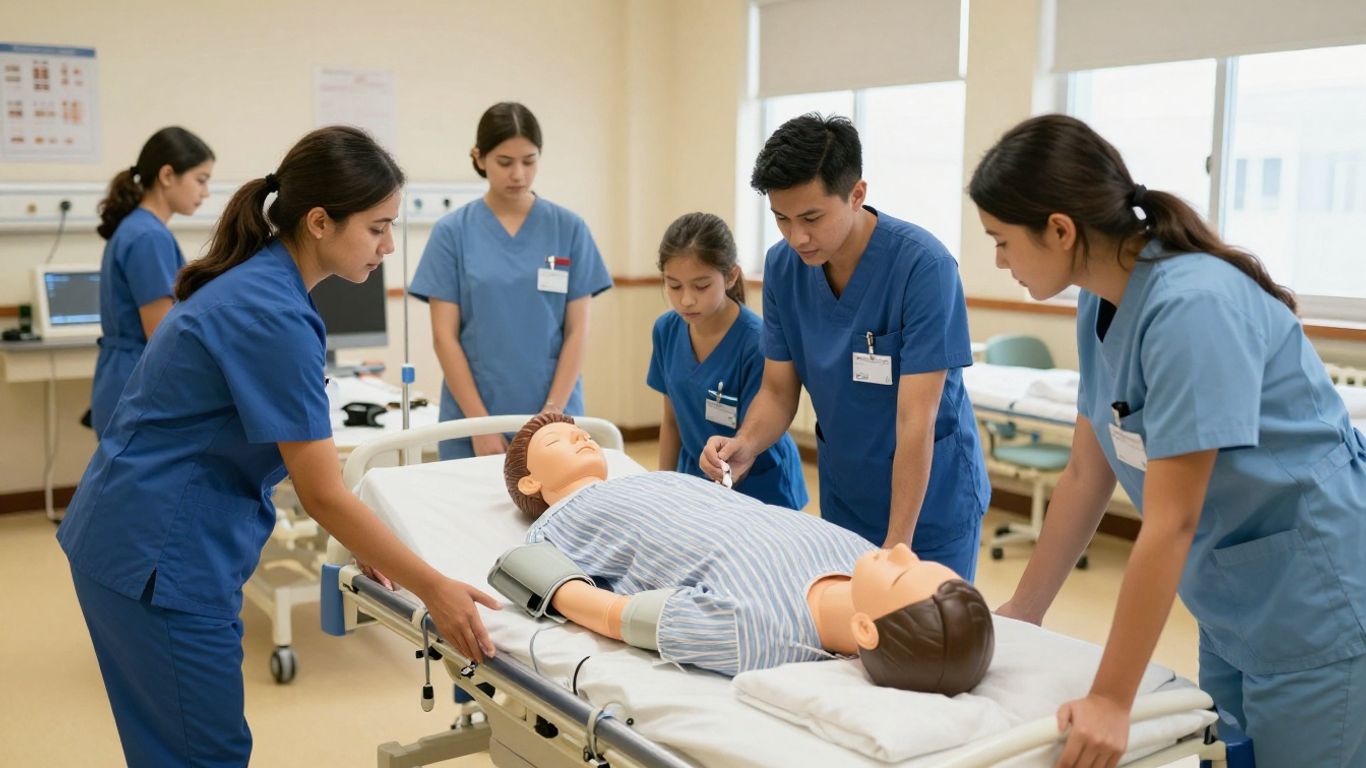
Your classroom environment should mirror the reality of a modern healthcare facility as closely as possible, and that begins with the equipment you use. Search for programs that utilize current, well-maintained mock-ups of hospital beds, monitoring devices, and safety equipment. Learning from experienced nursing professionals who share real-world anecdotes creates a bridge between theory and practice, proving much more beneficial than textbooks alone.
Financial considerations and funding for nursing assistant programs
Investment in your professional development is a personal decision that requires a clear view of total costs versus potential long-term gains. Many students find that they can successfully mitigate these costs through local partnerships.
Comparing tuition, fees, and hidden supply costs
Understanding the full cost of your training involves looking beyond just the base tuition. Many providers include fees for registration, textbooks, and health screenings, but others require them to be paid separately, which can lead to budgeting surprises if you are not careful.
| Expense Category | Estimated Range | Inclusion Status |
|---|---|---|
| Core Tuition Fees | $400 – $1,200 | Always Included |
| Clinical Supplies & Scrubs | $50 – $150 | Varies by School |
| State Exam Testing Fee | $100 – $200 | Often Supplemental |
Reviewing these line items with a financial advisor at your school ensures you have a clear plan for paying your balance without interruption.
Exploring state-funded scholarship and grant opportunities
There are a variety of financial aids available for dedicated students seeking a start in the healthcare industry. Start by checking for local scholarships tailored to students who commit to serving in long-term care facilities after graduation. These state-funded opportunities often reward students who show a strong commitment to local community health.
Employer-sponsored training programs in New Orleans
Some nursing homes or skilled care providers may offer to cover your tuition costs in exchange for a commitment to work at their facility upon certification. This is a mutually beneficial arrangement where the employer gains a trained professional and you secure both your education and a position immediately after graduation. Researching hospitals and care centers with active training partnerships can slash your out-of-pocket expenses to nearly zero.
Navigating payment plans and installment options
If you do not qualify for a scholarship, most vocational schools are willing to work with you on a payment plan. Splitting the total cost into monthly or bi-weekly installments makes the financial burden much more manageable on an entry-level student budget. Always inquire about these options during your interview with the admissions office to avoid unnecessary pressure on your personal savings.
Navigating your CNA clinical rotations
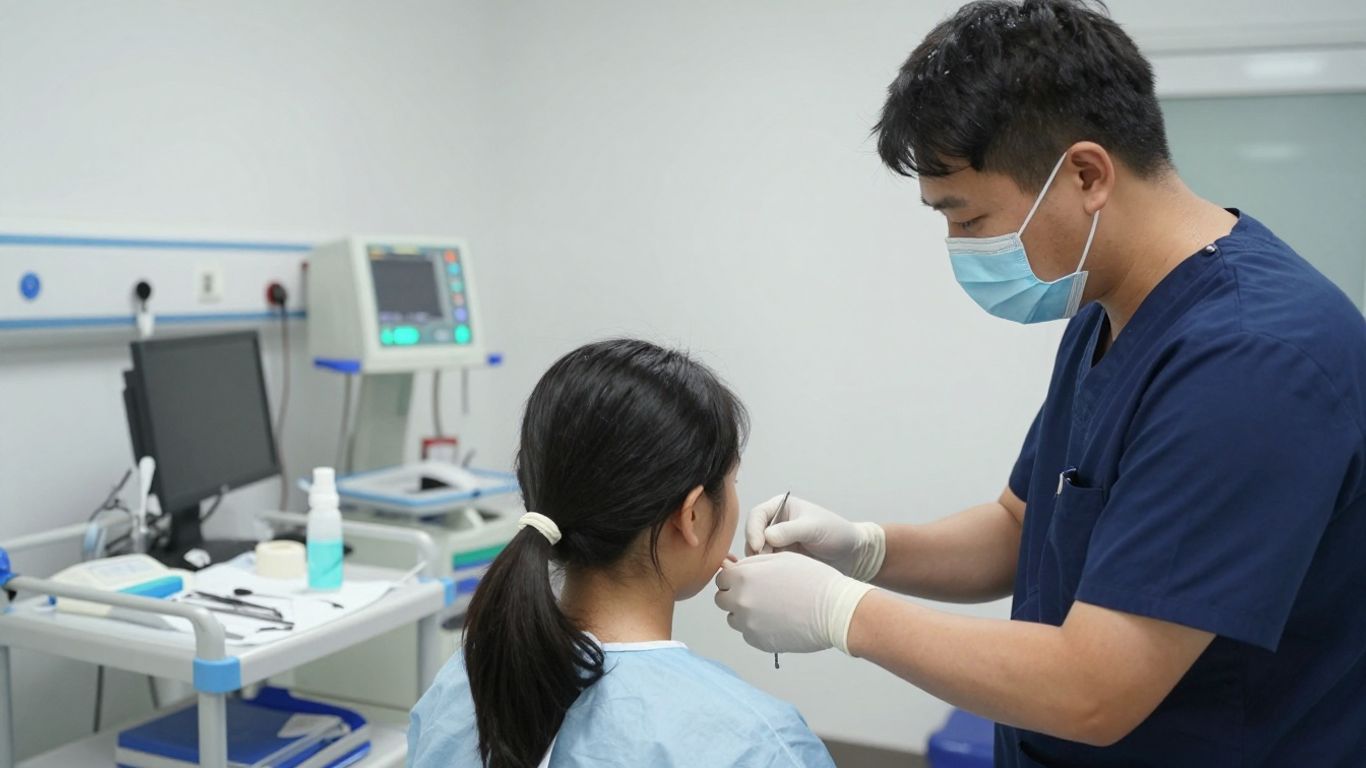
While the theoretical work is important, it is the hands-on practice under the guidance of a nursing mentor that truly rounds out your professional preparation. This stage bridges the gap between academic theory and the daily realities of patient care.
Coordinating hospital or nursing home placements
Placement typically occurs in local facilities where you can get hands-on experience under the watchful eye of a clinical instructor. Your school will usually have existing contracts with specific homes or hospitals in New Orleans, making the coordination process seamless for students. Be patient as the school schedules your hours, as this depends on the availability of approved sites and the current patient census.
Essential clinical skills and patient interactions
During your shifts, you will focus on core responsibilities like checking vital signs, assisting with hygiene, and monitoring changes in a patient’s physical state. You will be expected to remain observant, compassionate, and efficient at all times, providing high-quality support. These interactions establish your reputation early on, and you should always prioritize empathy, as this is often the most vital aspect of bedside support for elderly or infirm patients.
Balancing clinical hours with academic study
Managing your time is crucial because clinical days are often physically exhausting compared to standard lecture days. Use your commute or breaks to review basic flashcards or study terminology so that your head remains in the game. Keeping a small notebook for observations or questions to ask your instructors later can maximize the utility of your time spent on the floor.
Professionalism and on-site dress code requirements
Operating in a medical setting means adhering to strict professional standards, including maintaining a clean, modest uniform and proper grooming. Your instructors will emphasize the importance of presenting yourself as a member of the medical team, which includes punctuality, respectful speech, and a proactive attitude. Treating every clinical hour like an actual workday helps you develop the habits you will need for your career in facilities like those served by Delgado Community College.
Career opportunities for certified nursing assistants in New Orleans
Once you earn your certification, the local landscape offers diverse opportunities to join a growing clinical workforce. You will find that your skills are highly portable and desperately needed across various settings, from private practice clinics to state-run hospital networks.
Leading healthcare providers and hospital systems
Many major hospital systems in the region rely heavily on the support provided by certified nursing aides. These roles are essential for keeping wards running smoothly during busy shifts. If you enjoy the fast-paced nature of critical care or are interested in specific medical departments, starting in a hospital system can be an excellent way to expose yourself to diverse medical fields.
Long-term care facilities and assisted living work environments
Long-term care remains the most common destination for newly certified aides due to the high volume of patients requiring consistent, compassionate care. Working in these environments provides an opportunity to build deep relationships with residents, which many find to be the most personally rewarding aspect of their career. The demand for support in assisted living is particularly high, ensuring job security for graduates from programs like Saint Agatha Career School.
Salary expectations for entry-level nursing assistants
Starting salaries for aides in New Orleans fluctuate based on the type of facility and your shift preferences, with night or weekend shifts often commanding a higher wage. While you should not expect to become wealthy immediately, the stability and steady growth potential provided by this career path offer a firm foundation. Many professionals supplement their income through overtime or pick-up shifts, which are frequently available as clinics face staff shortages.
Potential for career advancement to LPN or RN tracks
Your training as an aide does not have to be the end of your formal education; in fact, many view it as a stepping stone. Gaining experience on the floor provides you with firsthand insight that makes your future nursing school material feel much more accessible. Once you are comfortable in your role, talk to your department heads about bridge programs that might allow you to work while you complete your Licensed Practical Nurse or Registered Nurse training.
How to prepare for the Louisiana state nurse aide certification exam
Your final goal is to demonstrate your competency through the state certification exam. Proper preparation involves both technical understanding and psychological readiness for the testing environment.
Comprehensive review of the state curriculum
Reviewing your course materials systematically is the best way to handle the written component of the state exam. Break down the curriculum into modules, covering everything from infection control to specific patient care procedures. Don’t rely on memory alone; use summary sheets and practice quizzes to identify the gaps in your knowledge and address them well before your exam date.
Practical skills assessment practice and drills
Beyond the written test, you must prove that you can physically execute standard nursing tasks under observation. You should drill until these motions feel natural, ensuring that you always prioritize safety and patient dignity in your practice. If your school has an open lab, use this space to have peers observe you as you perform tasks, providing feedback on where you might be cutting corners or missing critical steps.
Utilizing mock exam resources and study tools
If you search online for mock exams, you can find a wealth of resources that mirror the structure and format of the official Louisiana examination. These tools are excellent for practicing your pacing, which is often the biggest hurdle for students. Being able to complete the written portion confidently and the practical portion efficiently will help you stay calm under the pressure of the testing date.
Registration processes and testing site management
Ensure you understand the deadlines for applying for your testing slot so you aren’t stuck waiting for an exam date months away. Keep all your documentation in a secure folder, including your certificate of program completion and any state-required IDs. Arriving at your test site early with everything you need in hand builds the composure you require to succeed on your first attempt.
Conclusion
Embarking on the path toward certification in New Orleans requires diligence, but the professional outcome is well worth the effort. By choosing a reputable program, mastering the practical skills needed for patient support, and preparing thoroughly for your state exam, you set yourself up for a stable and meaningful career. Stay focused on your goals, utilize the resources provided by your instructors, and remain committed to the compassionate care that the medical community depends upon every single day.
Frequently Asked Questions
How long does it usually take to complete a training program?
Most local programs in Louisiana are designed to be completed in as little as 3 to 6 weeks, depending on whether you choose a full-time, part-time, or hybrid schedule.
Are there free training options available for new students?
Some local nursing homes and medical centers offer employer-sponsored training that covers your tuition if you agree to work for their facility for a set period after certification.
Can I work as an aide immediately after finishing my classes?
You must first pass the state competency exam to hold the title of Certified Nursing Assistant; you cannot begin employment in a professional facility until this official verification is complete.
Is it possible to pursue higher nursing degrees later?
Absolutely, many students begin as aides to gain foundational experience in the field before enrolling in Licensed Practical Nurse or Registered Nurse bridge programs.
What happens if I fail the certification exam?
Most candidates are allowed to register for a retake if they do not pass on their first try, though you should verify the specific state rules regarding the number of attempts and waiting periods.
Can I complete my training entirely online?
While some theory-based coursework can be completed online through a hybrid program, you must attend in-person clinical sessions at an approved facility to fulfill the state-mandated hands-on training requirements.
What should I bring to the certification testing site?
You will generally need to provide valid government identification, your certification of program completion, and any registration confirmation provided by the testing vendor on the day of the exam.