Key Takeaways
Certified nursing assistants provide hands-on support and help care teams understand how patients are doing. The path into the role is practical, but requirements and daily routines vary by state and workplace.
- CNAs help patients with daily activities and report changes in their condition.
- Long-term care, hospitals, rehabilitation, assisted living, and home health offer different work environments.
- State rules determine training, exam, eligibility, and registry requirements.
- CNA work calls for safe physical care, clear communication, and flexibility.
- Experience as a CNA can help prepare for further nursing education, including LPN or RN programs.
What a certified nursing assistant does
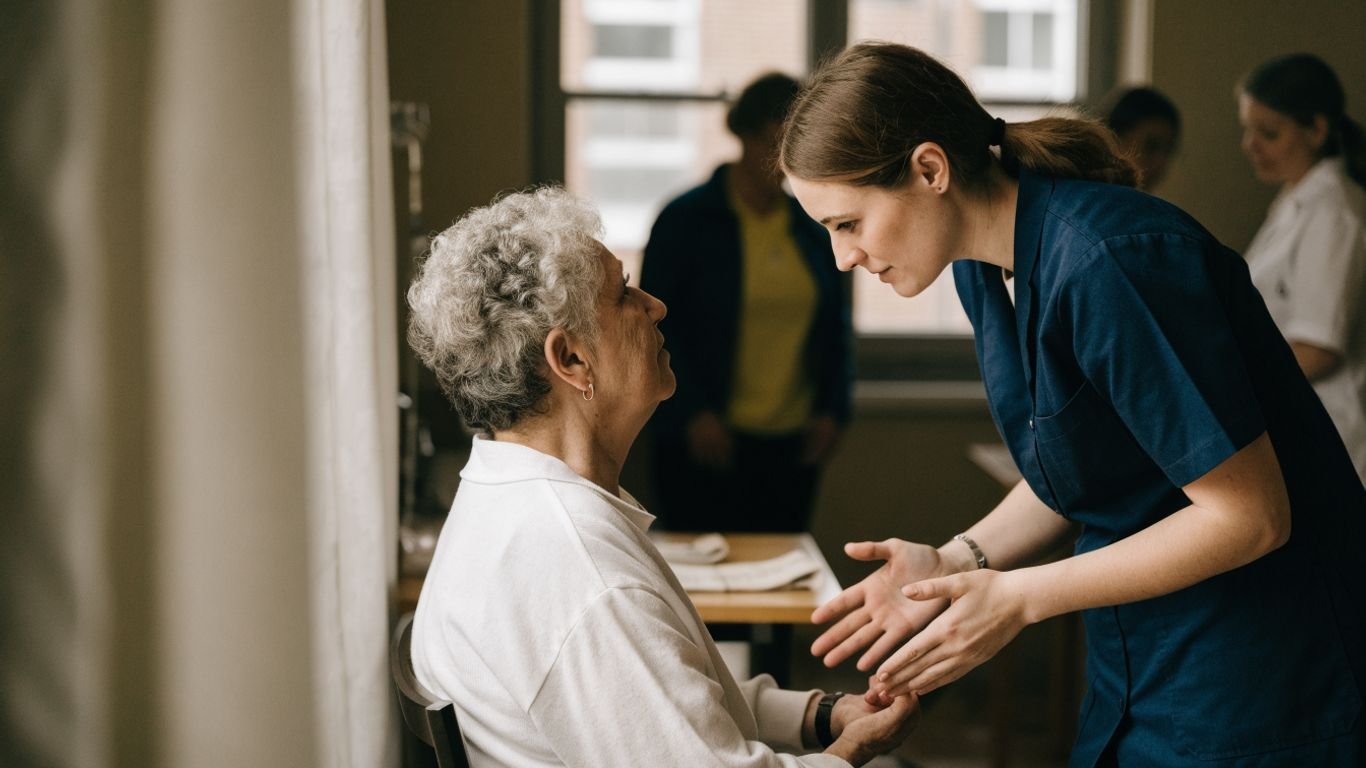
A certified nursing assistant cna provides hands-on support to people who need help with everyday care. CNAs work under the direction of licensed nursing staff, following care plans and workplace procedures. The role combines practical assistance with careful observation: small changes in comfort or behavior can matter to the rest of the care team.
Support patients with daily activities
Depending on the person’s needs and the setting, a CNA may assist with bathing, dressing, grooming, eating, toileting, and moving safely. The goal is to offer the right amount of help while respecting privacy and encouraging the patient to do what they can independently. Everyday routines are personal, so dignity and choice belong in the care just as much as completing a task. For people whose mobility affects bathing, these personal hygiene considerations can help families and care teams think through comfort, reach, and safety.
Monitor and report changes in patients’ condition
CNAs spend time close to patients, which can help them notice changes such as a new difficulty moving, a shift in appetite, or signs of discomfort. They may take and record measurements such as vital signs when trained and assigned to do so. A CNA does not diagnose or independently change a treatment plan; the important next step is to report observations promptly and accurately to the nurse.
Work with nurses and other care team members
Good care depends on clear handoffs. CNAs share relevant observations with nurses and follow instructions about patient routines, safety, and the assigned plan of care. They may also coordinate practical details with other staff, while keeping patient information private and treating each person respectfully.
Where CNAs work
CNA responsibilities vary with the people served and the pace of the workplace. In some settings, a CNA may support the same residents over time; in others, the work is organized around shorter stays or changing patient needs. Learning about long-term care planning can also help families understand the range of care arrangements that may involve nursing assistants.
Compare long-term care and nursing home settings
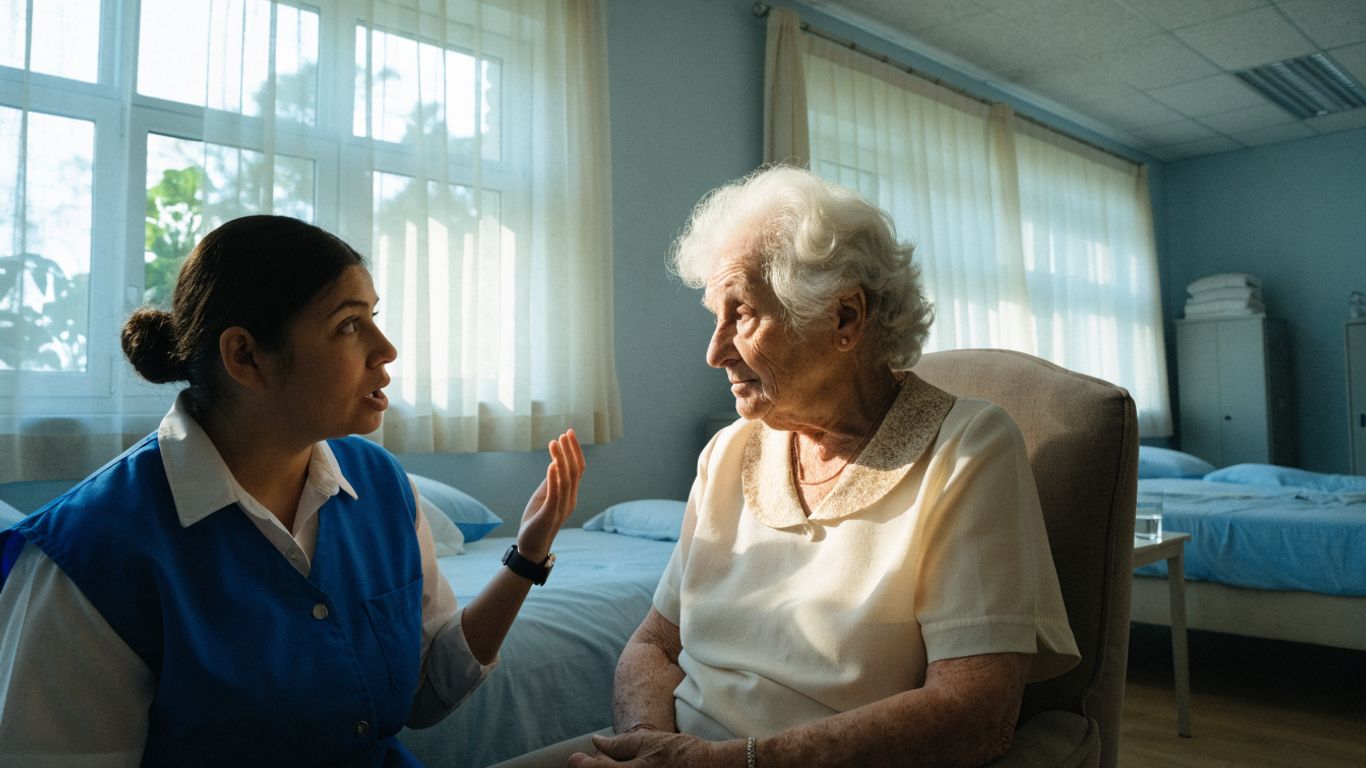
Nursing homes and other long-term care settings often provide ongoing support to residents who need help with daily activities or nursing care. Routines can become familiar, and CNAs may get to know residents’ preferences over time. The emphasis and pace differ by facility, but these broad distinctions can help when considering a workplace:
| Setting | Typical focus | What may shape the day |
|---|---|---|
| Nursing home | Ongoing resident care | Familiar routines and changing support needs |
| Long-term care facility | Continuing assistance and care | Coordination across shifts and care plans |
| Assisted living | Support with daily life | Resident independence and the services offered |
| Hospital | Care during illness or recovery | Admissions, discharges, and changing assignments |
The table is a starting point rather than a guarantee about any particular job. A facility’s staffing, patient population, and policies all affect what a shift feels like.
Explore hospitals and rehabilitation centers
Hospitals may have a faster-changing workflow, with patients receiving care for illness, injury, or procedures. Rehabilitation centers focus on supporting recovery and helping people practice daily tasks as their abilities change. CNAs in these environments still provide basic care and communicate observations to the nursing team, while adjusting to each site’s assigned duties and procedures.
Consider home health and assisted living roles
Home health work takes place in a person’s residence, where the layout and routine differ from those of a facility. The exact duties depend on the role, employer, and care plan, so applicants should confirm what services are expected and what tasks require another credential. Assisted living settings generally support residents while encouraging independence, though the services offered vary from one community to another.
How to become a CNA
The route to CNA certification usually involves meeting eligibility rules, completing required training or another permitted pathway, passing a competency exam, and meeting state registry requirements. The details are not uniform across the United States, so use your state’s official nursing assistant or health department guidance as the authority. This CNA career path guide offers a broader overview of training, certification, work settings, and advancement.
Check your state’s eligibility requirements
Before enrolling, check the rules that apply where you intend to work. States and programs may set requirements related to age, education, background checks, health documentation, or other conditions; a training provider can also have its own admission steps. A general guide to becoming a CNA can help you understand common steps, but local rules determine your actual route.
Complete a state-approved training program
Where training is required, confirm that the program is approved by the relevant state authority and prepares students for the applicable competency exam. Training commonly combines classroom instruction, practice of essential care skills, and supervised clinical experience, though the requirements and timelines vary. Ask about the schedule, total cost, clinical arrangements, and exam preparation before committing; those details can affect whether the program fits your circumstances.
Pass the competency exam
The exam assesses knowledge and practical skills required for entry-level nursing assistant work. Depending on the state, it may include a written or oral component and a skills demonstration. Review the official candidate instructions so you know what identification, scheduling steps, and test format apply. If you need another attempt, check the state’s retake rules rather than assuming they are the same everywhere.
Apply for state certification and registry listing
After meeting the applicable training and exam requirements, follow your state’s process to apply for certification or registry placement. Some states use a specific application, background-screening procedure, or additional documentation. Confirm that your listing is active before accepting work that requires it, and keep copies of completion and exam records for your files.
What CNA training and certification involve
CNA preparation is intended to build practical skills alongside an understanding of safe, respectful care. Programs may differ in format, length, and clinical arrangements, while still being subject to state approval requirements. An overview of CNA training can help you compare the pieces of training and certification as you plan your next steps.
Learn essential nursing skills and safety practices
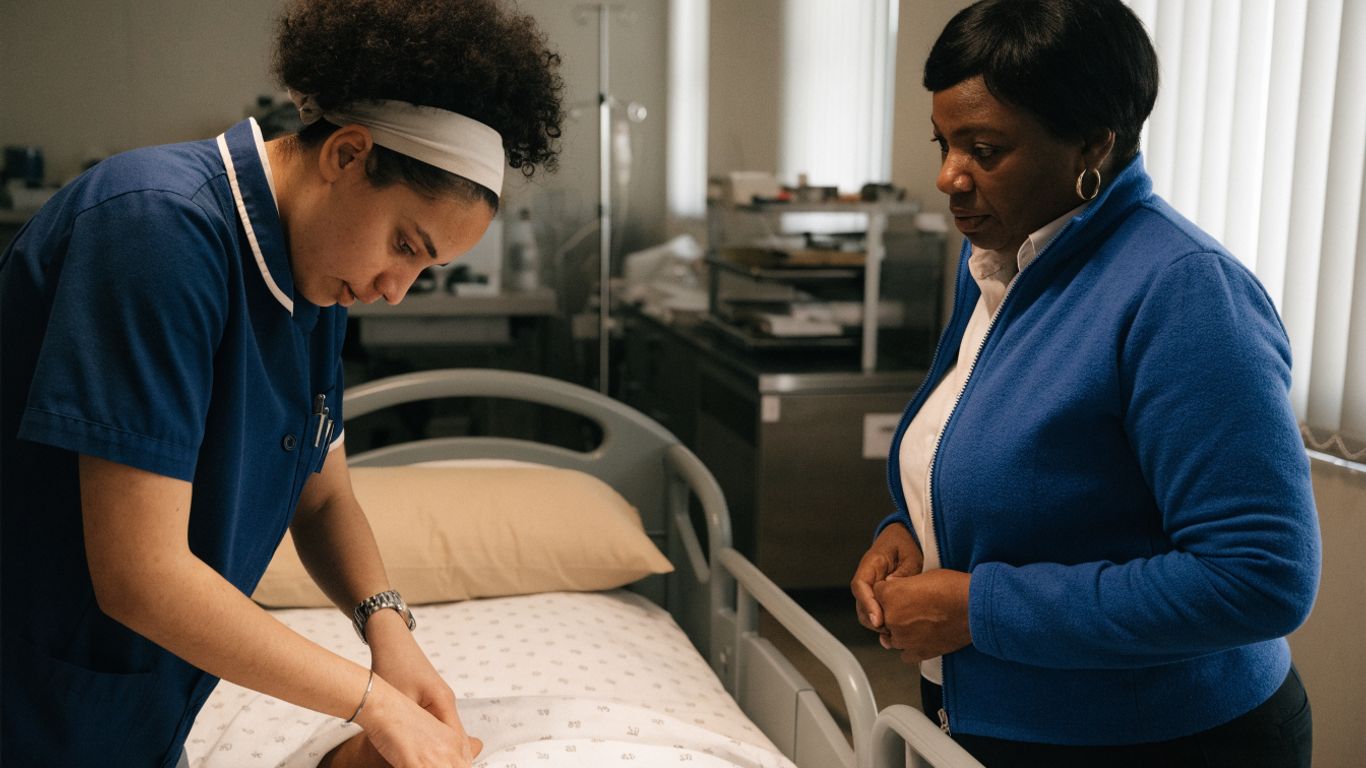
Training typically introduces common care tasks, communication, infection prevention, patient rights, and ways to reduce avoidable risks. Students also learn to follow directions, protect privacy, and ask for help when a task falls outside their role or training. These basics matter because safe care is not just a set of techniques; it also depends on knowing when to pause and get guidance.
Complete supervised clinical experience
Clinical practice gives students a chance to apply what they have learned with supervision in a care environment. It can make classroom concepts feel more concrete, from communicating with patients to maintaining safe routines. Before starting, understand the program’s clinical schedule and attendance expectations, since required hours and placements are determined by the program and state.
Prepare for the written and skills exam
Preparation is most useful when it follows the exam format used in your state. A steady review plan can help students revisit knowledge and practice hands-on steps in sequence. For example, organize study time around a few practical habits:
- Review the state’s candidate handbook and exam instructions.
- Practice assigned skills in the order and manner taught by the program.
- Ask an instructor to clarify steps that feel uncertain.
- Get familiar with the testing location and arrival requirements.
Then use practice sessions to identify what needs attention, rather than simply repeating the parts that already feel comfortable. Careful preparation can make the assessment more familiar without promising a particular result.
Understand certification differences by state
States set their own rules for training, testing, certification, renewal, and registry status. That means a credential or course that meets requirements in one place may not automatically meet the rules elsewhere. If you move or plan to work across state lines, contact the destination state’s registry for instructions about reciprocity, transfer, or any additional steps.
What to expect from CNA work
CNA work can be rewarding, but it is also demanding and shaped by staffing, shift patterns, patient needs, and employer policies. A realistic view of the day-to-day work helps people decide whether the role suits their strengths and circumstances. Consider the physical environment and the expectations of a specific position before accepting an offer.
Weigh physical demands and safety considerations
The work may involve standing, walking, bending, and assisting people as they move, so using safe techniques and following workplace procedures is essential. Employers provide policies and equipment for specific tasks, and CNAs should seek guidance if they are unsure how to carry out an assignment safely. The demands can differ substantially between a facility, a hospital, and a private home.
Build communication skills for patient care
Clear, calm communication helps patients understand what is happening and gives them room to express preferences or concerns. Listening matters too, especially when someone has difficulty explaining discomfort or needs. CNAs also need to share concise observations with nurses and colleagues, while maintaining confidentiality and using respectful language.
Understand schedules, pay, and job outlook
Schedules may include evenings, nights, weekends, or holidays, depending on the employer and role. Pay and benefits vary with location, experience, setting, and employer, so compare local job listings and ask what a position includes rather than relying on a single national figure. If evaluating household finances alongside a career decision, this mortgage income documentation guide explains how lenders may consider income and supporting records.
How to advance your nursing career
A CNA role can provide experience with patient care and a closer look at how healthcare teams work. Advancement is not automatic, and further credentials usually require additional education and meeting the relevant admission or licensing rules. Think about what kinds of care interest you, then use conversations with supervisors and local schools to identify realistic next steps.
Keep your certification active
Learn your state’s renewal requirements and keep track of deadlines, work-history rules, and any required continuing education. Registry status can affect eligibility for certain jobs, so check it if you have been away from the field or are returning after a move. When in doubt, ask the state registry which steps apply to your circumstances.
Gain experience in a specialty or care setting
Experience in a particular setting can help you learn its routines and understand which parts of patient care suit you best. You might seek a role in long-term care, rehabilitation, acute care, or another environment where CNAs are employed, depending on local opportunities and qualifications. If you are comparing different kinds of work more broadly, roofing sales as a career is a separate path with different duties and earning structures; it is not a nursing advancement route.
Explore pathways to LPN or RN programs
Some CNAs choose to pursue practical or registered nursing education. Admission requirements, prerequisites, program length, and licensing exams differ, so contact schools and the applicable nursing board before making a plan. A CNA background may offer useful exposure to patient care, but it does not replace the education and licensing required for LPN or RN practice. For readers considering careers outside healthcare, Georgia contractor licensing describes a distinct professional route, not a step in nursing progression.
Conclusion
Becoming a CNA involves learning practical care skills, meeting your state’s requirements, and preparing for work that calls for both stamina and empathy. The role can offer meaningful experience with patients and a foundation for exploring further nursing education, while the right setting depends on the kind of care and workday that fit you.
Frequently Asked Questions
What does a certified nursing assistant do?
A CNA helps patients or residents with daily activities, follows assigned care routines, observes and reports changes, and works under the direction of licensed nursing staff.
How long does it take to become a CNA?
The timeline varies by state and program. Training schedules, clinical requirements, exam availability, and application processing can all affect how long the process takes.
Do all states have the same CNA requirements?
No. States set their own eligibility, training, testing, certification, and registry rules, so applicants should verify requirements with the authority where they plan to work.
Does CNA training include hands-on practice?
Many approved programs include skills practice and supervised clinical experience, but the requirements and structure depend on the state and program.
What is the difference between CNA work in a hospital and a nursing home?
Work varies by employer, but hospitals may have changing assignments and shorter stays, while nursing homes often provide ongoing support to residents. Duties depend on the workplace and the care plan.
Is CNA work physically demanding?
It can involve considerable standing, walking, bending, and assisting with movement. Safe procedures, appropriate equipment, and following workplace guidance are important parts of the job.
Can a CNA become an LPN or RN?
Yes, a CNA may apply to LPN or RN education programs, but must meet each program’s admission requirements and complete the required education and licensing process.