Thinking about a career as a medical assistant in Washington State? It’s a solid choice. These pros are super important in doctor’s offices and clinics, doing everything from patient care to office tasks. Finding the right school is the first step. We’ve put together a list of some of the top medical assistant schools in Washington state to help you get started on this path.
Key Takeaways
- Charter College offers a Certificate in Medical Assistant program with a blended learning format, allowing flexibility for students. Their program prepares you for entry-level roles and national certification exams, with classes starting every five weeks.
- Seattle Central College provides a Medical Assisting Certificate program that is accredited by CAAHEP. Graduates are prepared for national certification and eligible to apply for Washington state certification.
- Whatcom Community College and Grays Harbor College are two-year institutions in Washington that offer pathways for students interested in healthcare careers, often with strong ties to local universities for transfer options.
- Highline College, Spokane Community College, and Wenatchee Valley College are other community colleges in Washington State that provide educational programs that can lead to careers in healthcare, including roles like a medical assistant.
- To work as a Medical Assistant in Washington, you must be certified or registered by the Washington Department of Health. Completing an accredited program can make you eligible to apply for these credentials.
Charter College
Charter College offers a Certificate in Medical Assistant program designed to get you ready for entry-level jobs in the healthcare field. They focus on giving you the practical skills needed for roles in places like doctor’s offices, clinics, and hospitals. The program is pretty flexible, with classes starting every five weeks, and they offer a blended learning format that mixes online and in-person classes. This setup is supposed to help you balance school with everything else going on in your life.
The curriculum covers a range of topics, from patient care concepts and medical terminology to administrative tasks like billing and coding. You’ll also learn about compliance in healthcare settings and how to handle medical office emergencies. A big part of the program is the externship, where you’ll spend 160 hours getting hands-on experience at a local healthcare facility. This real-world practice is meant to prepare you for the day-to-day demands of the job.
Here’s a look at what the program aims to equip you with:
- Demonstrate clinical skills and diagnostic procedures relevant to medical assisting.
- Understand the knowledge, skills, and professional conduct for an entry-level Medical Assistant.
- Identify legal and ethical standards in medical fields.
- Showcase professionalism, communication, and collaboration abilities.
- Perform administrative tasks effectively.
Charter College also prepares students to take national certification exams, which can be a requirement for many Medical Assistant positions. For those looking to work in Washington State, completing this program may make you eligible to apply for Medical Assistant-Certified or Medical Assistant-Registered status through the Washington Department of Health. It’s a good idea to check their specific requirements on the Department’s website to make sure you meet all the criteria for employment in the state.
Seattle Central College
Seattle Central College offers a Medical Assistant Certificate program that’s accredited by the Commission on Accreditation of Allied Health Education Programs (CAAHEP). This is a pretty big deal because it means the program meets specific quality standards. The program has a strong track record, with a five-year average exam passage rate of 90.45% from 2020-2024.
If you’re looking to get into the healthcare field quickly, this could be a good option. They also have a chapter of the National Technical Honor Society, which is neat if you’re into that sort of thing and might even open doors for scholarships.
Here’s a quick look at some key details:
- Accreditation: Commission on Accreditation of Allied Health Education Programs (CAAHEP)
- Exam Passage Rate (5-year avg. 2020-2024): 90.45%
- Focus: Meets educational requirements for licensing/certification in Washington State.
It’s worth noting that the curriculum is designed specifically for Washington State requirements. If you plan to work elsewhere, you’ll want to check those specific state rules. For more general information on healthcare training, you can check out resources like CNA Classes USA.
The college provides a pathway for students to achieve academic success, and their accelerated programs are designed to help you get into your career faster. It’s a solid choice for those aiming for a career in medical assisting within Washington.
Whatcom Community College
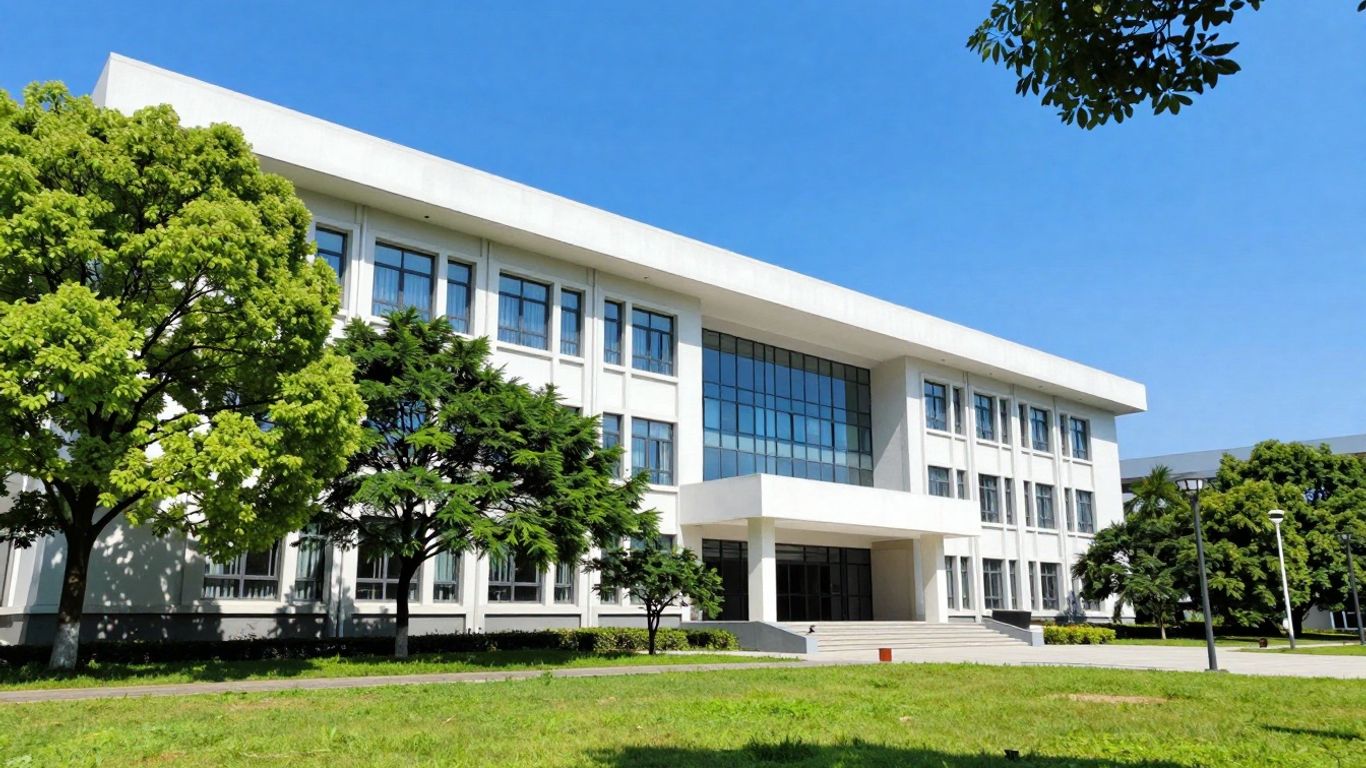
Located in Bellingham, Whatcom Community College (WCC) is another solid option for aspiring medical assistants in Washington. They have a strong connection with Western Washington University, which can be a plus if you’re thinking about transferring later on. WCC generally has a welcoming atmosphere, and students often mention the helpfulness of the staff and faculty.
While they don’t always list a specific Medical Assistant program as a standalone degree, they often have related health science pathways or certificate programs that can set you up for success. It’s worth checking their current course catalog to see what aligns with your career goals. They also host information sessions, which can be a great way to get the details you need about upcoming program dates.
Here’s a general idea of what you might find or expect:
- Curriculum Focus: Look for courses covering medical terminology, anatomy and physiology, patient care basics, and administrative skills.
- Hands-on Experience: Many programs include internships or clinical rotations, giving you real-world practice.
- Transfer Opportunities: Their relationship with WWU can be beneficial for further education.
WCC is known for its supportive environment and its role as a stepping stone for students aiming for further education or specialized training in healthcare fields. The college works to provide students with the foundational knowledge and practical skills needed to enter various healthcare roles.
Their overall acceptance rate is 100%, making it accessible for many students. The net price is around $11,629, which is competitive for a community college.
Grays Harbor College
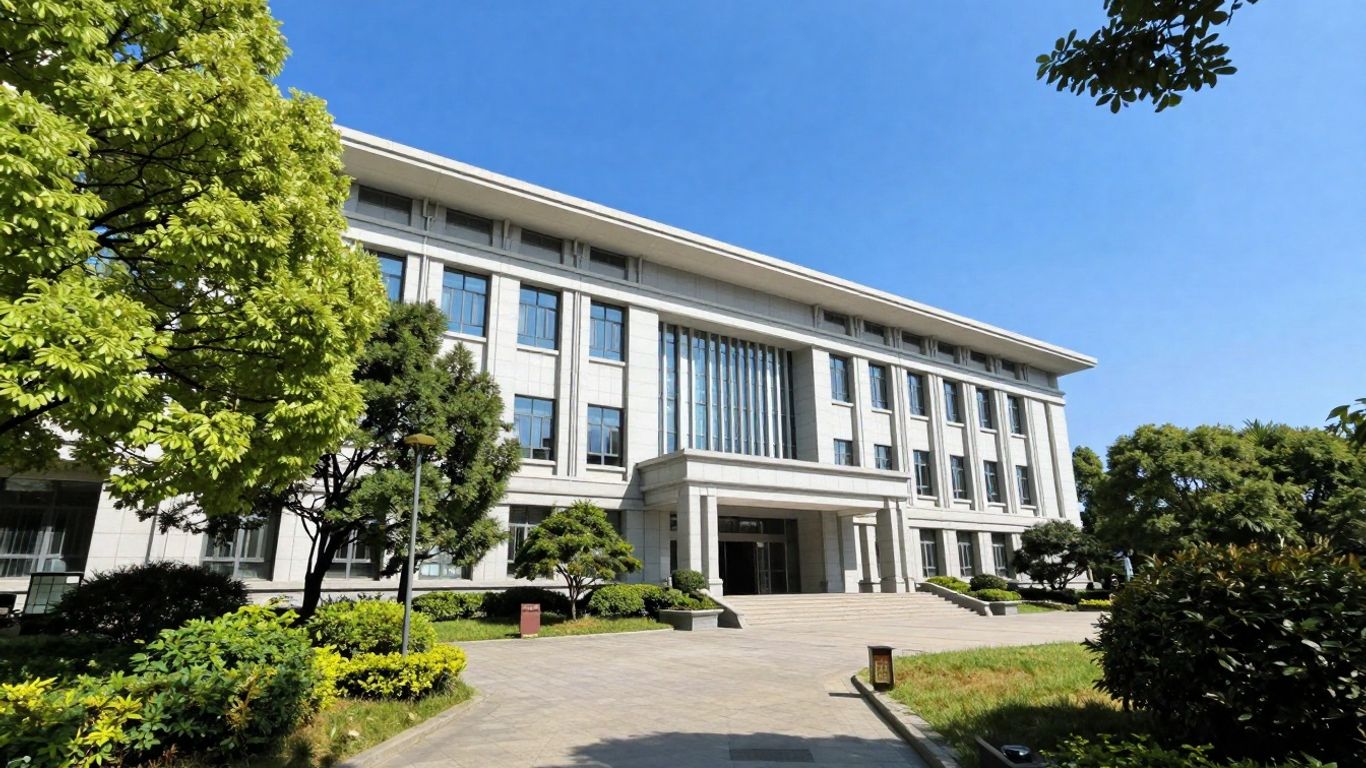
Grays Harbor College, located in Aberdeen, is another solid option for aspiring medical assistants in Washington. It’s a two-year institution that generally gets good marks from students, with many appreciating the approachable professors and a relaxed campus atmosphere. If you’re looking for a place that feels a bit more personal, this might be it.
They offer programs that can set you up for a career in healthcare, and while specific medical assistant program details might change, they’re known for providing a good foundation. The college aims to prepare students for entry-level positions or for transfer to a four-year university.
Here’s a quick look at what students often mention:
- Friendly and helpful instructors.
- A generally laid-back and welcoming environment.
- Opportunities to build a solid academic base.
It’s worth checking out their current program offerings to see if they align with your career goals. Sometimes, the best fit isn’t the biggest name, but the place where you feel most supported.
Grays Harbor College provides a community-focused educational experience. Students often find the professors easy to connect with, and the overall vibe is pretty chill. It’s a place where you can get a good start on your education without feeling overwhelmed.
Highline College
Highline College, located in Des Moines, Washington, is another solid option for aspiring medical assistants. It’s a two-year college with an open admissions policy, meaning they accept everyone, which is pretty great if you’re looking for a straightforward path to education. Many students find the campus community to be diverse and welcoming, making the transition into college life a bit easier.
When it comes to programs, Highline offers a variety of pathways, and while they don’t always highlight a specific Medical Assistant degree on every page, their healthcare programs are generally well-regarded. Instructors often have practical experience, which is a big plus when you’re learning hands-on skills. They aim to provide a good educational foundation for students entering fields like healthcare.
Here’s a quick look at some general stats that might be helpful:
- Acceptance Rate: 100%
- Net Price: Around $13,467 per year (this can vary based on aid and residency)
- Student Reviews: Generally positive, with many appreciating the supportive environment.
Some students have mentioned that advising could be more consistent, and that’s something to keep in mind. Also, like many colleges, they are always looking at ways to update facilities and expand online course options to make things more flexible for students juggling different responsibilities. It’s worth checking their specific program details to see how their medical assistant training aligns with your career goals. You can find more information about state training requirements, which might be relevant for your future career, on the Washington Department of Health website.
While Highline College provides a welcoming environment and a solid educational base, it’s always a good idea to connect with their admissions and program advisors directly. They can give you the most up-to-date information on curriculum, course schedules, and any specific prerequisites for the medical assistant track. This direct communication can help clarify any uncertainties and ensure you’re on the right path.
Spokane Community College
Spokane Community College (SCC) is a solid choice for folks looking to get into the medical assistant field in Eastern Washington. They’ve got a program designed to get you ready for the job, focusing on the practical skills you’ll actually use day-to-day. It’s a place where you can really get hands-on experience, which is super important when you’re training for a career in healthcare.
SCC offers a pretty good learning environment. The instructors are generally seen as knowledgeable and invested in student success. Plus, the campus provides resources like tutoring and advising that can make a big difference when you’re juggling classes and life.
Here’s a bit about what you might expect:
- Hands-on Training: Emphasis on practical skills needed for medical assisting.
- Supportive Environment: Access to tutoring, advising, and career services.
- Flexible Scheduling: Options that can help balance school with other commitments.
The college aims to provide a supportive atmosphere where students can gain the confidence and competence needed to step into their roles as medical assistants. It’s about building a strong foundation for a career in healthcare.
If you’re considering a path in healthcare support, looking into programs like those at SCC is a good first step. Many students find that community colleges offer a more accessible and focused entry point into specialized fields. You can find more information about healthcare training options across the country on sites like CNA Classes USA.
Wenatchee Valley College
Wenatchee Valley College (WVC) is a community college located in Wenatchee, Washington, that offers a Medical Assistant program. This program is designed to prepare students for entry-level positions in various healthcare settings. WVC provides a solid foundation in both the clinical and administrative aspects of medical assisting.
The college focuses on hands-on training and practical skills development. Students can expect to learn about patient care, taking vital signs, assisting with examinations, performing basic laboratory procedures, and managing patient records. The curriculum also covers important topics like medical terminology, anatomy, physiology, and healthcare ethics.
Here’s a look at what you might cover in their program:
- Patient intake and history taking
- Assisting with minor procedures
- Phlebotomy and basic lab tests
- Electronic health records (EHR) management
- Scheduling appointments and managing billing
Wenatchee Valley College has received support for its Medical Assistant program. For instance, the Wenatchee Valley College Foundation has been awarded funding specifically to help students in programs like Medical Assistant [cb53]. This kind of support can make a big difference for aspiring medical assistants.
The college aims to equip graduates with the skills and knowledge needed to succeed in a fast-paced medical environment. They often work with local healthcare providers to ensure the curriculum stays relevant to industry needs.
Graduates of the WVC Medical Assistant program are prepared to sit for national certification exams, which is often a requirement for employment. The college provides resources to help students prepare for these important tests, setting them on a path for a rewarding career in healthcare.
North Seattle College
North Seattle College is another solid choice if you’re looking to get into the medical assistant field in Washington. They’ve got a good reputation and are part of the larger Seattle Colleges system, which means they have resources to back up their programs.
When you’re looking at programs, it’s always a good idea to see what kind of hands-on experience they offer. Medical assisting is a very practical job, so internships or clinical rotations are super important. North Seattle College, like other institutions in the Seattle Colleges network, aims to provide career-focused education.
Here’s a quick look at what you might find:
- Curriculum Focus: Programs typically cover patient care, administrative tasks, and basic medical procedures.
- Hands-on Training: Expect opportunities for practical application of skills learned in the classroom.
- Career Services: Many colleges offer support in finding externships and job placements after graduation.
It’s worth checking out their specific Medical Assistant program details to see how it aligns with your career goals. They also have other health-related programs, like Pharmacy Technician, which might be of interest if you’re exploring different paths in healthcare. You can find more information about their various programs, including those for adult learners, on the Seattle Colleges website.
Choosing a college is a big step, and it’s smart to look at the details. Think about class schedules, program length, and what kind of support the school offers students who are trying to start a new career. North Seattle College seems to offer a good environment for learning.
Remember to compare this with other schools to make sure you’re picking the best fit for you. Sometimes, even smaller details like the commute or campus atmosphere can make a difference in your overall experience.
Medical Assistant National Certification Exam
So, you’ve gone through a medical assistant program and you’re ready to get out there and start working. That’s awesome! But before you can officially hang your shingle, so to speak, there’s usually one more big step: passing a national certification exam. Think of it as the final hurdle that shows employers you’ve got the skills and knowledge they’re looking for.
There are a few different organizations that offer these exams, like the NCCT (National Center for Competency Testing) and NHA (National Healthcareer Association). Your program likely prepared you for one or more of these. Passing one of these exams is often a requirement for landing certain medical assistant jobs. It’s not just a formality; it’s a way to standardize the qualifications of medical assistants across the country.
Here’s a general idea of what you might encounter:
- Clinical Skills: This covers things like taking patient vital signs, assisting with procedures, and basic patient care.
- Administrative Skills: You’ll likely be tested on scheduling appointments, medical records management, and basic billing and coding.
- General Knowledge: This includes medical terminology, anatomy, and understanding healthcare laws and ethics.
It’s a good idea to check with your specific program to see which exams they prepare you for and what the eligibility requirements are. For instance, to be eligible for some exams, candidates need to have completed a relevant training program or have a certain amount of supervised work experience in the field. This is where your school’s career services can really help you figure out the next steps. They can guide you on the application process and what to expect on exam day. Getting certified can really open doors and give you that extra edge when you’re applying for jobs. It’s a solid step towards a rewarding career in healthcare.
The process of getting certified can seem a bit daunting, but remember that your training has equipped you with the necessary foundation. Focus on reviewing the material, practice with sample questions if available, and trust in the education you’ve received. It’s a stepping stone, not the end of your learning journey.
Remember, in Washington State, you’ll also need to meet the requirements set by the Washington Department of Health for licensure or registration. Certification is a big part of that, but it’s good to be aware of all the steps involved in practicing legally in the state.
Washington Department of Health
So, you’ve gone through a medical assistant program and aced your exams. What’s next for working in Washington State? You’ll want to connect with the Washington Department of Health. They’re the ones who handle the official credentialing for medical assistants in the state.
Getting your credentials through the Department of Health is a key step to practicing legally. It’s not just about passing a national exam; you need to meet state requirements too. This ensures everyone working as a medical assistant has a baseline level of competence.
Here’s a general idea of what you might need to do:
- Complete an approved medical assistant training program.
- Pass a national certification exam (like the NCCT or NHA).
- Apply for your credential with the Washington Department of Health.
- Meet any other specific requirements the department might have, which can change over time.
It’s a good idea to check their official website for the most up-to-date information on application processes, fees, and any specific educational standards they require. They also have information on different types of medical assistant credentials you might be eligible for, like Certified or Registered Medical Assistant. Staying informed with the Washington Department of Health is part of being a professional in this field.
The process involves more than just completing a program. It’s about meeting the state’s standards for patient safety and professional practice. Think of it as the final stamp of approval that lets you work with confidence.
Ready to Start Your Medical Assistant Journey?
So, you’ve looked into what it takes to become a medical assistant in Washington. It’s a field that’s growing, and getting the right training is the first step. Whether you’re leaning towards a certificate program or a more in-depth degree, there are schools out there ready to help you get started. Remember to check out what each program offers, like externships and preparation for certification exams. Taking the time to find the right fit for you will set you up for a rewarding career helping people. Good luck with your search!
Frequently Asked Questions
What does a medical assistant do?
Medical assistants help doctors and nurses by doing both office work and patient care. They might take your vital signs, help with exams, or handle paperwork. It’s a busy job where you help people get better.
How long does it take to become a medical assistant?
Many programs let you finish in about a year. This means you can start your new career pretty quickly and help people in the healthcare field sooner.
Do I need to be certified to work as a medical assistant in Washington?
Yes, in Washington State, you must be certified or registered by the Department of Health to work as a medical assistant. Completing a training program can help you get ready for the national certification exams needed for this.
What kind of skills will I learn in a medical assistant program?
You’ll learn important skills like how to care for patients, understand medical terms, manage health records, and handle billing. You’ll also learn how to act professionally and work well with others in a medical setting.
Are there online or flexible learning options for medical assistant programs?
Some schools offer blended learning, which combines classes at the school with online work. This can make it easier to fit your studies around your job or family life.
What are the risks of being a medical assistant?
Like many healthcare jobs, there are some risks. You might be exposed to germs or get minor injuries from needles. There can also be physical strain from lifting or sitting for long periods, and stress is part of the job too.