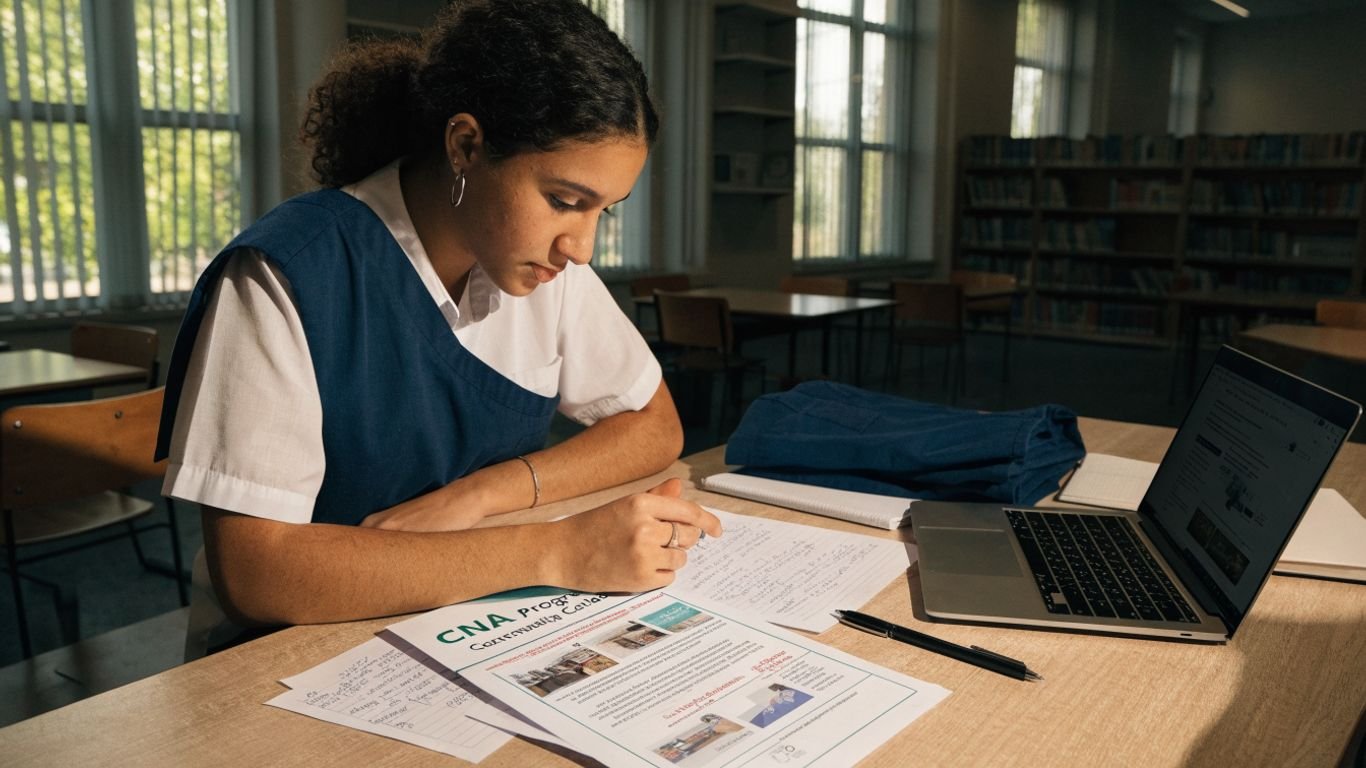
Thinking about a job in healthcare? Phlebotomy could be a good fit. People who do phlebotomy are really important for figuring out what’s wrong with patients by taking blood samples. More and more places need these professionals, so now is a great time to get into it. This article will talk about phlebotomy courses, why being a phlebotomist is a good idea, and how to find the right training for you. By the end, you’ll know how to start your journey to becoming a certified phlebotomist.
Key Takeaways
- Phlebotomy offers a stable career with growing demand and relatively short training periods.
- Choosing the right phlebotomy courses involves researching program types, curriculum, and accreditation.
- Online phlebotomy courses can provide flexibility and accessibility for aspiring phlebotomists.
- Certification is often required and opens doors to various job opportunities in healthcare settings.
- The phlebotomy field offers a supportive professional community and serves as a solid foundation for further healthcare careers.
Understanding the Value of Phlebotomy Courses
Why Choose a Career in Phlebotomy?
Thinking about a job in healthcare? Phlebotomy might be a good fit. It’s a field where you directly help people by drawing blood for tests that doctors use to figure out what’s going on with a patient’s health. It’s not just about sticking a needle in; it’s about being a key part of the diagnostic process. This role is super important for patient care and can be a really stable career choice. Plus, the training isn’t years long, which is a big plus for many people looking to get into the workforce faster. You can find flexible employment options that fit different lifestyles.
Advantages of Being a Phlebotomist
So, what’s so great about being a phlebotomist? For starters, the demand for skilled phlebotomists is pretty high. Hospitals, clinics, blood donation centers, and even research labs all need people who know how to draw blood correctly and safely. This means job security is generally good. Another big perk is the schedule flexibility. Many phlebotomy jobs offer different shifts, including part-time and weekend options, which can be perfect if you have other commitments or just prefer a non-traditional work schedule. It’s also a career that offers a sense of purpose. You’re contributing to people’s health every single day.
Here are some common places you might find phlebotomy jobs:
- Hospitals
- Doctor’s offices
- Diagnostic laboratories
- Blood donation centers
- Urgent care clinics
The Supportive Community of Phlebotomy Professionals
When you decide to become a phlebotomist, you’re not just getting a job; you’re joining a community. There are professional organizations and online forums where phlebotomists share tips, discuss challenges, and support each other. It’s a field where people often help newcomers get settled. You’ll find experienced professionals willing to offer advice, and you’ll meet colleagues who understand the day-to-day realities of the job. This network can be incredibly helpful as you start your career and continue to grow.
The skills you learn in phlebotomy are practical and directly applicable to patient care. It’s a hands-on role that requires attention to detail and good people skills. You’ll be interacting with patients from all walks of life, so being able to put them at ease is part of the job.
Navigating Your Phlebotomy Education Options
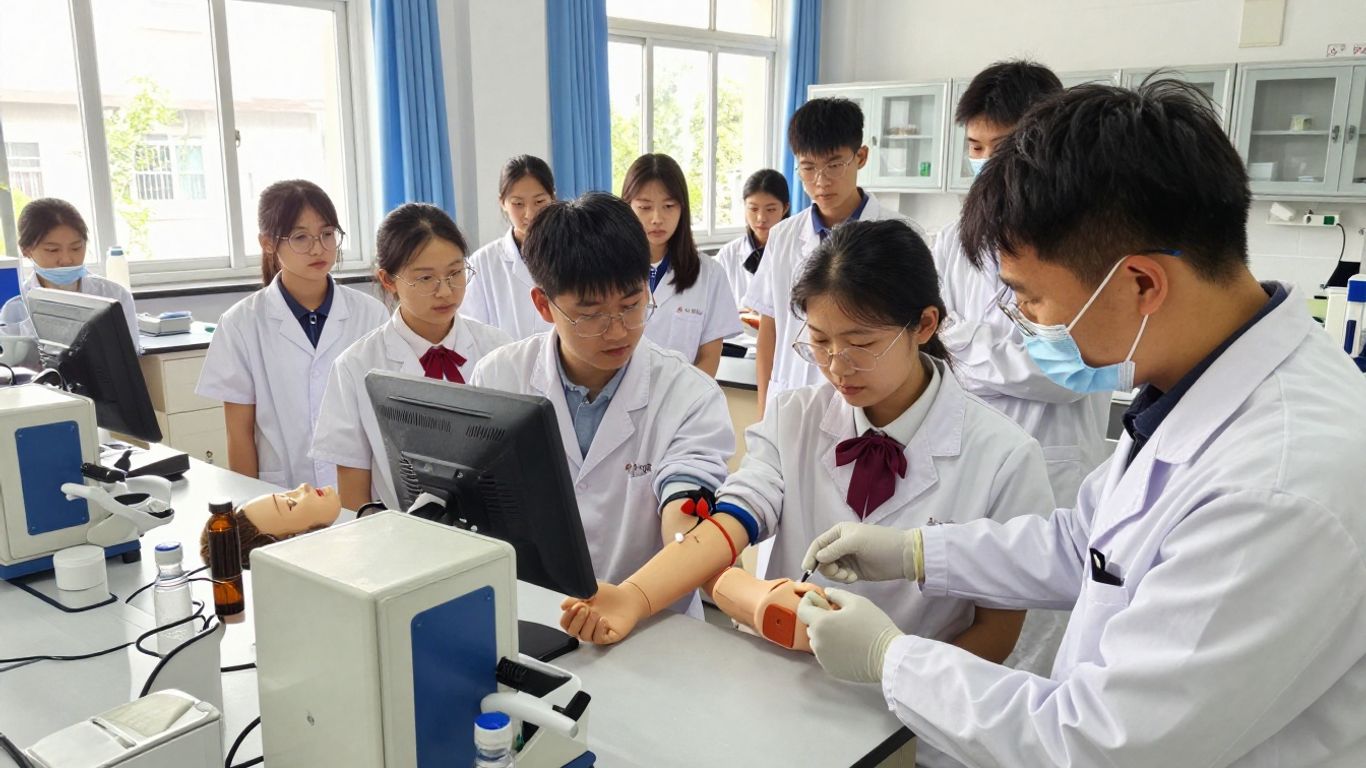
So, you’re thinking about phlebotomy? That’s great! It’s a field with real demand and a chance to help people every day. But before you can start drawing blood and making a difference, you need the right training. This isn’t something you can just wing. Luckily, there are plenty of ways to get educated, and figuring out the best path for you is key.
Researching Different Types of Phlebotomy Courses
When you start looking into phlebotomy training, you’ll find there isn’t just one way to learn. You’ve got options, and they all have their pros and cons. Some programs are super short, like a few weeks, while others might take several months. It really depends on what you’re looking for and how much time you can commit. It’s important to find a program that fits your life, not the other way around.
Here’s a quick look at what you might encounter:
- Certificate Programs: These are usually the most common and often the quickest route. They focus specifically on phlebotomy skills.
- Associate’s Degrees: While less common for just phlebotomy, some associate’s degrees in health sciences might include phlebotomy training as part of a broader curriculum.
- Workshops and Short Courses: Sometimes, you can find shorter, focused courses that might supplement other training or offer specific skill refreshers.
When you’re comparing programs, don’t just look at the price tag. Think about what’s included. Does it cover all the necessary skills? Will it prepare you for certification exams? What kind of hands-on practice do they offer? These details matter a lot.
Key Components of Comprehensive Phlebotomy Training
What makes a phlebotomy course truly effective? It’s more than just learning how to stick a needle in someone’s arm. A good program will cover a range of topics to make sure you’re well-prepared for the real world. You’ll learn about the human body, how to keep things clean and safe, and how to talk to patients. Here are some of the must-have elements:
- Anatomy and Physiology Basics: You need to know where to find those veins!
- Infection Control and Safety: This is huge. You’ll learn about universal precautions and how to prevent the spread of germs.
- Venipuncture Techniques: This is the core skill – how to draw blood correctly and safely.
- Specimen Handling and Processing: What happens to the blood after you draw it? You’ll learn how to label and store it properly.
- Patient Interaction and Communication: Dealing with nervous patients is part of the job. You’ll learn how to be calm and reassuring.
- Legal and Ethical Issues: Understanding patient rights and confidentiality is important.
Benefits of Taking an Online Course
Online phlebotomy courses have become really popular, and for good reason. They offer a level of flexibility that traditional classroom settings just can’t match. If you’re working, have family commitments, or just prefer learning at your own pace, online training can be a game-changer. You can often access lectures and materials anytime, anywhere. This means you can fit your studies around your life, rather than rearranging your life for your studies. Many online programs also provide interactive elements and simulations to help you practice skills virtually before you get to hands-on training. If you’re looking for flexible phlebotomy training options, exploring online courses is definitely a smart move. You can find programs that offer a great balance of theory and practical application, often at a more affordable price point than brick-and-mortar schools. Plus, you can often find online phlebotomy technician certificate programs that are designed to get you ready for certification quickly.
Finding Quality Phlebotomy Courses Near You

So, you’ve decided phlebotomy is the path for you. That’s great! Now comes the part where you figure out where to get the training. It can feel a bit like searching for a needle in a haystack sometimes, with so many options out there. But don’t worry, we’ll break down what to look for.
What Makes a Great Phlebotomy Program?
When you’re looking at different phlebotomy programs, there are a few things that really stand out. First off, you want instructors who know their stuff. They should have real-world experience and be up-to-date on all the latest techniques and safety rules. It’s also super important that the program gives you plenty of hands-on practice. You know, actually drawing blood, talking to patients, and getting comfortable with the equipment. A good program will cover all the basics, like how the body works, medical terms, how to prevent infections, and, of course, the right way to collect blood samples. These skills are what will set you up for success.
Choosing the right training is more than just picking a class; it’s about investing in your future. A program that emphasizes practical skills and patient interaction will prepare you better than one that’s just theory.
Where to Look for Phlebotomy Classes
Finding classes isn’t too tricky these days. Your first stop might be local community colleges; they often have solid programs. You can also check out vocational schools or private training centers. Online courses are another option, offering flexibility if you’re juggling other commitments. Sometimes, you can even find programs listed by state health departments or professional organizations. For example, if you’re in California, you might find a list of approved schools to help you start your search like this one. If you’re in Texas, places like Phlebotomy USA offer training across the state to get you started.
Here are a few places to start your search:
- Local community colleges
- Vocational or technical schools
- Private phlebotomy training centers
- Online course providers
Cost Considerations for Taking Phlebotomy Classes
Let’s talk money. The cost of phlebotomy courses can really vary. Some programs might be a few hundred dollars, while others could be a couple thousand. You’ll want to see what’s included in the price. Does it cover textbooks, lab fees, or even the cost of your certification exam? Some schools might have payment plans, which can be a big help. It’s worth comparing a few options to see where you get the most bang for your buck. Remember, the cheapest option isn’t always the best if it means missing out on vital hands-on training or support.
The Path to Certification and Career Opportunities
Certifications and Opportunities: Opening Doors to Your Future
So, you’ve finished your phlebotomy training. What’s next? Getting certified is usually the big step that really opens doors. Think of it like getting a key to a whole new set of possibilities in the healthcare world. Many places won’t even hire you without it, and it shows employers you’ve met a certain standard and are serious about this job. It’s a way to prove you know your stuff and are ready to go.
Once you’re certified, you’ll find jobs in all sorts of places. Hospitals are a big one, of course, but so are private clinics, diagnostic labs, and even doctor’s offices. Some phlebotomists even work for mobile services, going to patients’ homes or workplaces. The experience you gain is super practical, too. It’s a solid foundation if you ever decide you want to move into other areas of healthcare, like nursing or lab work. The demand for people who can draw blood correctly is pretty steady, which is great for job security. It’s a field that’s always needed, especially with more people needing medical tests these days. This career offers strong job security and diverse work environments, including hospitals, labs, and mobile units. This field presents numerous career advancement opportunities, allowing individuals to grow within the healthcare sector.
Career Opportunities for Certified Phlebotomists
Getting that certification is a game-changer. It means you’re qualified to step into a role where you’re a vital part of patient care. You’ll be working with doctors, nurses, and other healthcare pros, making sure patients get the blood drawn accurately and efficiently. This is super important because those blood samples are key for figuring out what’s going on with someone’s health and how to treat them.
Here are some common places you might find yourself working:
- Hospitals: The classic setting, where you’ll see a wide variety of patients and medical cases.
- Diagnostic Laboratories: These places often process a high volume of samples, so you’ll get a lot of practice.
- Clinics and Doctor’s Offices: Smaller, more focused environments, often with regular patients.
- Blood Donation Centers: Playing a direct role in saving lives through blood donation.
- Research Facilities: Assisting in clinical trials and studies by collecting samples.
The practical skills you learn, like handling needles and interacting with patients who might be nervous, are transferable to many other healthcare roles. It’s a hands-on way to get your foot in the door.
Stepping Stone to Success in Healthcare
Think of phlebotomy not just as a job, but as a launchpad. The skills you develop – precision, patient interaction, understanding medical procedures – are highly sought after. Many people use their phlebotomy experience as a stepping stone to further education and more advanced roles. It’s a way to get real-world experience in a medical setting without needing a four-year degree right away. Plus, the training itself can be quite fast, with some programs getting you ready for certification in just a few months. Phlebotomy offers a fast-track career with just 88 hours of training required for certification. It provides strong job security and is a viable career option. You’re not just learning to draw blood; you’re learning about patient care, safety protocols, and the importance of accuracy in a healthcare environment. This foundation can make pursuing further studies in fields like nursing, medical assisting, or even laboratory science much smoother.
Wrapping Up Your Phlebotomy Journey
So, you’ve learned a bit about why phlebotomy is a solid choice for getting into healthcare. It’s not a super long road to get trained, and there’s a real need for people who can do this job. Picking the right course is the first big step, and once you’ve got those skills down, you’re looking at a career where you actually help people. It’s a good way to start in the medical world, and who knows where it might lead you down the line. Go ahead and check out those programs we talked about, and start thinking about your future.
Frequently Asked Questions
What exactly does a phlebotomist do?
A phlebotomist is a healthcare professional who draws blood from patients. This blood is then used for tests that help doctors figure out what’s wrong with someone or if they’re getting better.
Why should I consider becoming a phlebotomist?
It’s a great way to start a career in healthcare because training is usually quick, there are many job openings, and you get to help people every day. Plus, you can often choose where and when you want to work.
How long does it take to become a phlebotomist?
Most phlebotomy training programs can be finished in just a few months. This means you can start working and earning money pretty quickly after you finish your studies.
What kind of training do I need?
You’ll need to take a course that teaches you how to safely draw blood, handle samples correctly, and interact with patients. Some courses also cover basic medical terms and how the body works.
Can I take phlebotomy classes online?
Yes, many schools offer online courses. This can be really convenient if you need to study around a busy schedule. You’ll still need to do some hands-on practice, though.
What jobs can I get after becoming a certified phlebotomist?
Certified phlebotomists are needed in hospitals, doctor’s offices, blood donation centers, and labs. It’s also a good way to get experience if you want to become a nurse or work in other healthcare jobs later on.