Key Takeaways
Free CNA training may be available through public workforce programs, community providers, or employers, but openings and eligibility vary. Confirm the program’s approval status and ask for a full accounting of costs before enrolling.
- Free training may cover tuition without covering every expense.
- Eligibility can depend on residency, income, work status, or program-specific requirements.
- Verify that the training program is approved for New York State nurse aide certification.
- Compare schedules, clinical practice arrangements, fees, and any work commitment.
- Ask how the program prepares students for the state certification exam.
How free CNA training works in NYC
Free CNA classes in NYC may be funded through public workforce initiatives, nonprofit programs, or employers seeking to train prospective staff. “Free” can mean that tuition is paid on a student’s behalf, not that every related expense disappears. The details depend on the provider and the funding available when you apply.
What tuition-free programs may cover
Some programs cover instruction and training materials, while others may also help with exam preparation or related costs. Ask for a written breakdown: a tuition waiver alone may leave students responsible for items such as uniforms, transportation, health clearances, or testing fees. The full cost picture matters more than a headline promising no-cost classes.
How public, nonprofit, and employer-sponsored programs differ
The funding source can shape the application process, schedule, and obligations. A public workforce program may have eligibility screening; a community organization may have its own intake process; an employer may connect training to a job opportunity. These are possibilities to verify, rather than guarantees attached to a provider type.
| Program route | What to ask about | What to confirm |
|---|---|---|
| Public workforce program | Eligibility and intake steps | Whether CNA training is currently offered |
| Community provider | Funding and student support | Which expenses are included |
| Employer-sponsored training | Hiring and work expectations | Whether a job commitment applies |
| Independent training provider | Tuition and payment options | State approval and exam preparation |
Use the table as a starting point for questions, not as a promise that a particular route will be free. Funding and specific course offerings can change, so get current details directly from the program before making plans.
Why eligibility and funding can change
A no-cost seat may depend on a limited funding allocation, a particular cohort, or eligibility rules that differ from one provider to another. Even a program that offered free training in a previous term may not have the same funding or dates now. Ask whether the current opening is funded and whether any costs could arise later in the course.
How to verify a program is state-approved
Before paying a deposit or arranging your schedule, check whether the program is approved by New York State for nurse aide training. Ask the provider for its approval details and confirm them through the relevant state source; do not assume that a course title or a promise of exam preparation establishes approval. A broader New York CNA training guide can help you frame questions about state requirements and certification.
Where to look for free CNA classes
Start with organizations that can tell you about current cohorts, funding, and enrollment steps—not just general career information. Search across more than one route, since no single provider is likely to list every opening in the city. Keep a note of when you checked and whom you spoke with; availability can shift between inquiries.

NYC Health + Hospitals and other public providers
Public health systems can be worth checking for career and training information, but a healthcare employer’s general careers page does not necessarily mean it offers free CNA classes. The NYC Health + Hospitals website provides information about the public system and its services; contact the organization directly to ask whether it has a current nurse aide training opportunity and what the terms are.
Workforce programs through NYC Small Business Services
NYC Small Business Services’ Workforce1 Healthcare Career Center works with healthcare partners to offer no-cost training programs for healthcare jobs. Its current program list may include training for different occupations, so do not assume every healthcare offering is a CNA course. Check the SBS healthcare training information and ask staff whether a nurse aide program is currently recruiting and what eligibility rules apply.
Community organizations and training providers
Community-based organizations and training providers may offer cohorts supported by grants, scholarships, or other funding. Ask what the funding actually pays for and whether the course is approved for New York State certification. For a local overview of options and questions to compare, see this guide to free CNA classes in NYC, then confirm details with each provider directly.
Nursing homes and other employers that sponsor training
Some employers may sponsor training as part of a hiring pathway, but the arrangement can come with conditions. Ask whether enrollment is open to applicants who are not yet employees, whether a job offer is involved, and whether you must work for the employer after certification. Get any work commitment and repayment terms in writing before accepting a seat.
Who can qualify for tuition-free training
Eligibility is set by the organization funding or delivering a particular cohort, so there is no single citywide checklist that applies to every program. Some providers may prioritize people who meet workforce or income criteria, while others may use their own admissions standards. Ask for the written requirements early, especially if you need time to gather records or arrange a screening.
Common age, residency, and education requirements
Programs may set a minimum age, require proof of New York City or state residency, or ask for a certain level of education. The exact standard can vary, and a requirement for one funded cohort should not be treated as universal. Confirm acceptable documents and whether equivalents, such as a high school equivalency credential, are accepted.
Income and workforce-program eligibility
A publicly funded training opportunity may use income, employment, or other workforce-related criteria. Ask whether you must be unemployed, underemployed, or registered with a workforce program, and whether household information is part of the screening. If you are unsure whether you qualify, request an eligibility review rather than ruling yourself out based on an informal description.
Background checks and health requirements
Clinical training or eventual employment may involve background screening, health documentation, or other clearances. Requirements depend on the program and placement site, so ask which steps are needed, when they must be completed, and whether you pay for them. Be candid about timing; clearance steps can affect when you are able to start clinical practice.
Documents to gather before applying
Having common records ready can make an intake conversation easier, though a program may ask for different or additional items. Before sending sensitive information, confirm the provider’s official application channel. You might prepare:
- Proof of identity and current address.
- Education records or an equivalency credential.
- Work history or documentation requested for eligibility screening.
- Any health or immunization records the provider specifically requires.
Use the provider’s list as the final authority, and avoid sending documents through an unverified contact. A brief call can clarify what is needed before you spend time collecting records that do not apply.
What to expect from CNA classes
CNA training combines learning about care with supervised practice, and the exact format depends on the approved program. Ask how classroom instruction, skills practice, and clinical experience fit together before you commit. A schedule that looks manageable on paper still needs to work alongside travel, work, and family responsibilities.
Classroom instruction and clinical practice
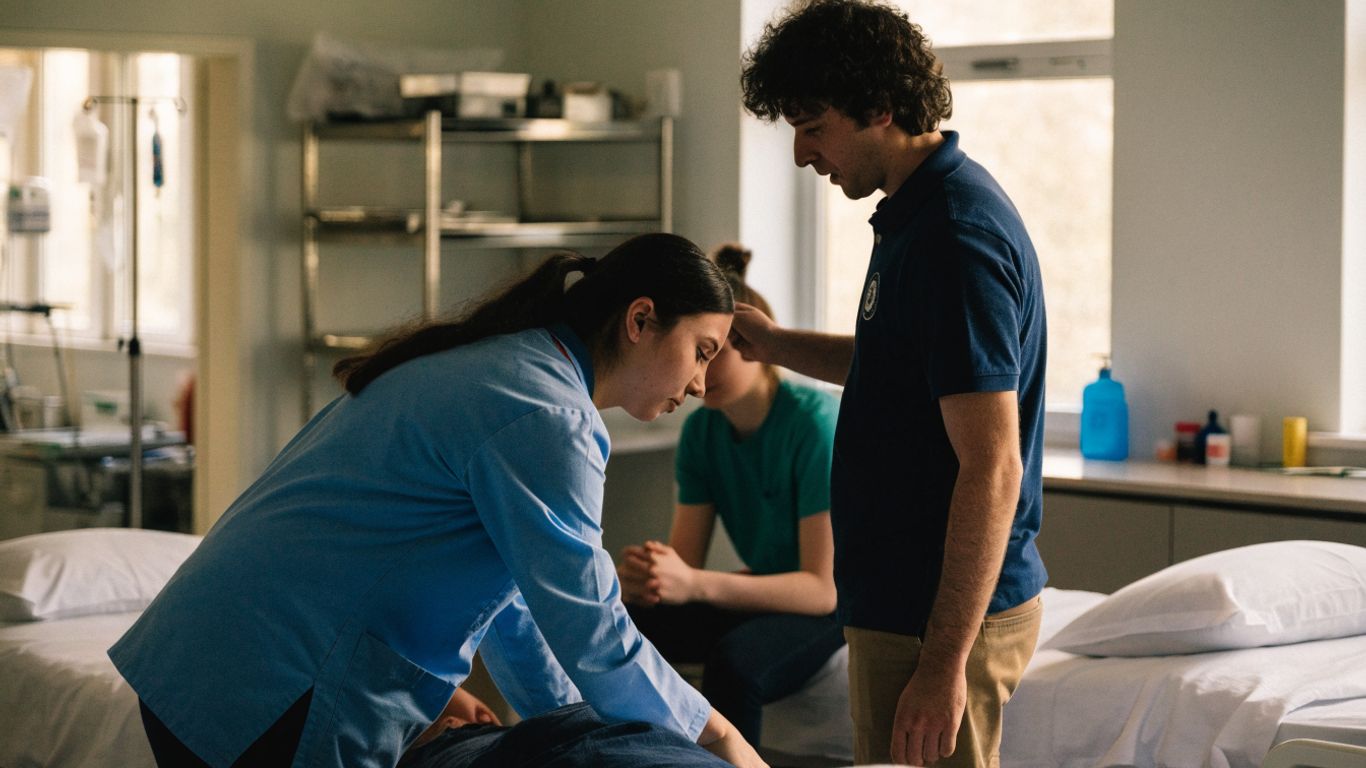
Students generally learn foundational nurse aide knowledge and practice care skills before applying them in a supervised clinical setting. Ask where clinical experience takes place, how it is scheduled, and what support students receive while preparing. A provider should be able to explain how its curriculum connects instruction, practical skills, and certification preparation.
Typical program length and schedule options
Program length and meeting times vary, so do not rely on a general estimate when planning around a job or caregiving. Ask for the next cohort’s start and end dates, weekly hours, clinical schedule, and attendance expectations. If the provider offers more than one schedule, confirm whether each option leads to the same approved training and exam preparation.
A short video can help you get a general sense of the work, but it cannot confirm a program’s curriculum or approval status.
Use the provider’s own course outline to understand what your particular classes will cover; online videos are supplementary, not a substitute for that information.
Attendance, assignments, and skills assessments
Training may involve required attendance, written work, and demonstrations of practical skills. Ask how missed classes or clinical hours are handled and whether there are opportunities to practice before an assessment. Understanding the rules now can prevent a preventable absence from disrupting your completion date.
Costs that may not be covered by tuition assistance
Even if tuition is paid, other expenses may remain. Ask for a written list of required and optional costs, including whether students pay for clothing, supplies, transportation, health documentation, or the certification exam. The amount and responsibility can differ by program, so compare actual figures rather than assuming the word “free” includes everything.
How to apply and compare programs
A thoughtful comparison is about more than finding the first advertised free seat. Confirm the program’s current status, approval, cost coverage, and schedule before you submit an application. Where information is vague, ask direct questions and save the answers so you can compare providers consistently.
Questions to ask about tuition, fees, and supplies
Ask which expenses the funding covers and which ones students pay themselves. Request a written estimate and check whether payment is due before enrollment, during training, or at testing. If an employer offers sponsored training, clarify any work commitment or repayment clause before accepting.
How to confirm class dates and enrollment deadlines
Course pages and older flyers may remain online after a cohort fills. Contact the provider to verify the next start date, application deadline, information-session schedule, and whether seats are still available. If there is a waitlist, ask how it works and when you should expect an update.
Comparing location, schedule, and support services
A low-cost program may be difficult to complete if the commute or clinical hours do not fit your life. Compare details in a simple checklist, and ask what support is actually available rather than relying on broad wording:
- Class location, travel time, and clinical placement location.
- Weekly schedule, attendance rules, and expected completion date.
- Included costs, required supplies, and exam-related charges.
- Available advising, language support, or job-search assistance.
Look for specifics and ask who provides each service. A claim of “support” can mean different things, from application guidance to help finding work, and you should know what is included before enrolling.
Avoiding misleading promises about free training
Be cautious if a provider will not identify the program’s approval status, explain the full cost, or put work conditions in writing. Search results can also mix unrelated topics: WordPress tutorials, Fasthosts Email, Zoho Mail, LTC or FID appeals, Indian tiffin, and science experiment kits have no bearing on CNA eligibility or training. Treat a clear, current answer from the training provider and state sources as more useful than an unrelated page or a broad promise.
How to earn CNA certification in New York
Training is one part of the route to certification; students also need to understand the state’s requirements and testing process. Confirm that the course you choose is approved and ask what steps follow completion. Since procedures can change, use current state instructions when registering or preparing for an exam.
Completing an approved nurse aide training program
Complete a nurse aide training program approved for New York State certification and retain documentation of your completion. Before enrolling, ask how the provider records completion and what information you will need for the exam process. If a course does not clearly explain its approval status, pause and verify before paying or beginning classes.
Registering for the New York State certification exam
Ask the training provider which current instructions apply to registering for the New York State nurse aide certification exam. Confirm the registration process, required information, fees, and deadlines directly with the appropriate state or testing source. A school’s guidance can be helpful, but check that it matches the current official instructions.
Preparing for the written and skills components
The exam process includes written and skills components, though candidates should confirm current format and requirements before test day. Review the material covered in your approved course, practice skills in the manner taught, and ask instructors what resources are available. Build in time to prepare for both parts rather than focusing only on written review.
Understanding what happens after passing the exam
After passing, follow the current instructions for having your certification recorded and checking your status in the New York State Nurse Aide Registry. Ask the provider what documentation you should keep and how to confirm that your record is complete. If a result or registry entry is delayed, use the official contact channel to ask about next steps.
Conclusion
Finding free CNA training in NYC takes a little verification: identify current programs, confirm state approval, check eligibility, and get every cost and commitment in writing. A careful comparison can help you choose a realistic route from training through certification, without relying on a “free” label alone.
Frequently Asked Questions
Are free CNA classes available in NYC?
Some public, nonprofit, workforce, or employer-sponsored opportunities may offer tuition assistance or no-cost training. Openings, eligibility, and what expenses are covered vary, so confirm details with the provider.
Does free CNA training cover exam fees?
Not always. Ask whether the funding includes the certification exam, supplies, health clearances, uniforms, and transportation, and request a written breakdown of remaining expenses.
How can I check whether a CNA program is approved in New York?
Ask the provider for its approval information and verify it using current New York State resources before enrolling. A course advertisement alone is not proof of state approval.
Do I need a high school diploma to take CNA classes?
Requirements vary by program. Ask whether a diploma, equivalency credential, or other education documentation is required for the specific cohort.
Can an employer pay for CNA training?
Some employers may sponsor training, but the terms differ. Ask whether employment is required, whether a work commitment applies after certification, and whether repayment conditions exist.
How long do CNA classes take?
Program length and schedules vary. Ask each provider for the current cohort dates, weekly hours, clinical schedule, and expected completion date.
What happens after I complete CNA training?
Follow current New York State instructions for registering for and completing the certification exam. After passing, check the applicable process for confirming your status in the Nurse Aide Registry.