Key Takeaways
Free CNA classes in NYC can remove tuition from the equation, but applicants still need to check eligibility, schedules, supplies, clinical requirements, and exam costs.
- Confirm that the program is approved for New York State certification preparation.
- Ask whether uniforms, books, transportation, background checks, and exam fees are covered.
- Compare clinical hours, class format, location, and employment support before applying.
- Gather identity, education, residency, and health documents early.
- Keep a second program or waitlist option in mind while you apply.
Understand what free CNA training in NYC includes
The phrase “free CNA training” usually means that an organization, employer, or workforce grant pays tuition on your behalf. It does not always mean every cost disappears. Before enrolling, look closely at what the program covers, how much training is required, and whether completion prepares you for the New York State certification process. For a plain-language overview of the role itself, this CNA career guide can help you understand the daily work and basic pathway.
Tuition coverage and other costs to expect
Some no-cost programs cover classroom instruction and clinical training, while others also provide books, uniforms, transportation assistance, or help with the certification exam. A program may call itself free but still ask students to pay for fingerprinting, a physical examination, immunizations, or replacement documents. The full cost picture matters because even small expenses can affect whether you can finish.
Ask for a written list of covered and uncovered costs. A useful checklist includes:
- Tuition and registration charges
- Textbooks, scrubs, shoes, and supplies
- Physical exams, immunizations, and background checks
- Transportation or attendance-related assistance
- State examination and retest fees
After you receive the details, calculate what you would need during the entire course rather than only on the first day. That conversation can prevent an unpleasant surprise halfway through training.
Eligibility requirements for no-cost programs
Eligibility depends on the funding source. A city workforce program may prioritize unemployed or underemployed adults, while an employer-sponsored course may require a commitment to work for the facility after graduation. Other programs may limit enrollment by borough, age, income, education, or work authorization.
Read the current announcement carefully and ask which requirements are mandatory. Do not assume that living in New York City alone guarantees a place. Funding rules and cohort priorities can change between application periods.
Class schedules, locations, and learning formats
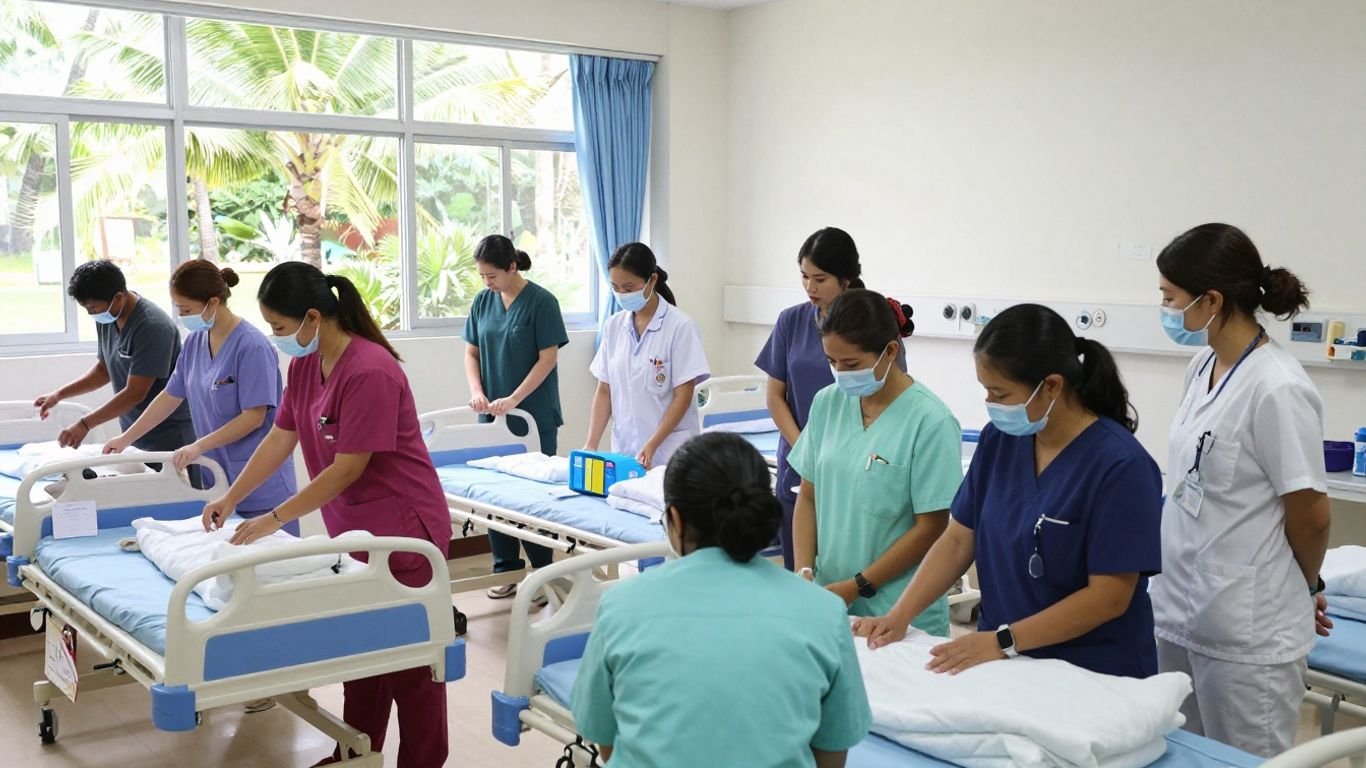
CNA training is often intensive because students must complete classroom instruction and supervised clinical practice. Some cohorts meet during weekday mornings, while others offer evening, weekend, or hybrid classroom sessions. Clinical work is generally in person, even when part of the academic material is online.
Travel time deserves as much attention as tuition. A distant clinical site can turn a manageable course into a difficult one, especially if you are working or caring for family. Ask when the schedule becomes fixed, whether attendance is mandatory, and how missed clinical hours are handled.
How CNA training differs from other healthcare programs
A CNA program is an entry-level pathway focused on assisting patients with daily care, safety, mobility, hygiene, and basic observations under supervision. It is shorter and narrower than programs for practical nursing, medical assisting, or registered nursing. That focused scope can make it a practical first step for someone who wants direct patient contact quickly.
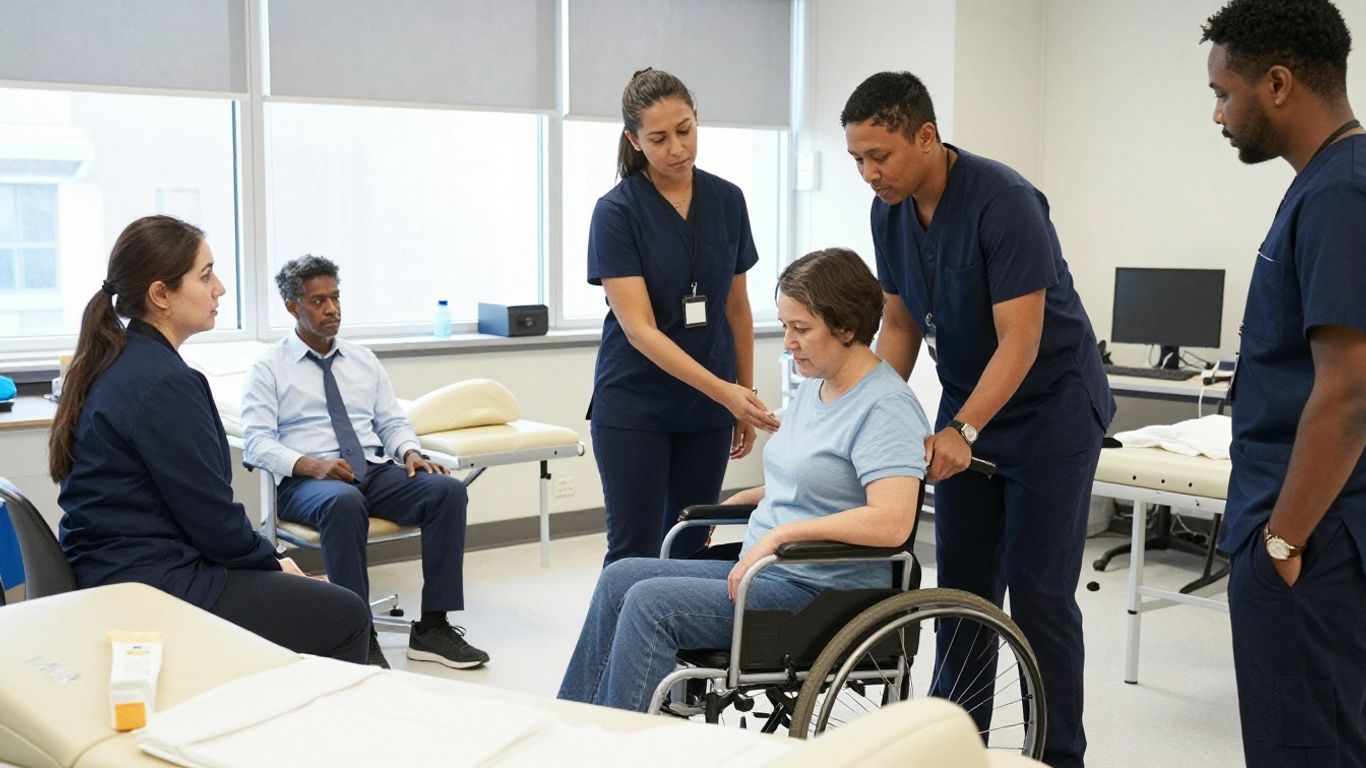
The work is still demanding. Students should expect hands-on practice, communication training, infection-control instruction, and lessons about dignity and privacy. Choosing a CNA course is not the same as choosing a long-term career limit; many healthcare professionals begin with foundational patient-care experience.
Find legitimate free CNA classes in NYC
Start with organizations that clearly identify their funding, training partner, location, cohort dates, and certification pathway. Public agencies, colleges, hospitals, nursing homes, and community groups may all appear in a search, but availability changes frequently. The NYC Health + Hospitals system is a useful public healthcare reference when exploring city-based care settings and career information.
NYC Health + Hospitals and public healthcare pathways
Public healthcare pathways may connect training with hospitals, nursing homes, or other care settings. Check official careers and workforce pages rather than relying on an old social media post or an unofficial directory. Ask whether the opportunity is a CNA course, a general healthcare orientation, or a job with training attached; those are different arrangements.
A public program may also have formal screening, attendance, and documentation rules. Give yourself time to complete each step, and save confirmation emails or application numbers so you can follow up if the cohort fills quickly.
Workforce development programs and adult education centers
Workforce development centers can be especially helpful if you need more than technical instruction. The city’s Workforce1 Healthcare Career Center describes no-cost healthcare training pathways and career preparation, although applicants should verify which offerings are currently open and whether a specific CNA cohort is included.
Adult education providers may offer orientation sessions, digital-literacy help, résumé support, or referrals to employers. These services can matter when you are changing careers or returning to school after a long break. Ask whether participation in an information session is required before you can apply.
Community organizations and tuition-free training providers
Community organizations sometimes combine CNA instruction with case management, career readiness, and employment assistance. For example, Uplift Communities describes a Brooklyn Fall 2026 cohort that combines CNA instruction through Kingsborough Community College with career learning, guided certification practice, case-management support, and job-search assistance. Confirm dates, eligibility, and funding directly because a published cohort may close or change.
You can also search community colleges, neighborhood nonprofits, libraries, and local workforce offices. A provider that explains who funds the course and who delivers the instruction is generally easier to evaluate than a page that only promises quick certification.
Employer-sponsored and facility-based CNA programs
Some nursing homes and care facilities sponsor training in exchange for a work commitment. This can be a useful route because the employer may introduce you to an actual workplace and explain its hiring process. However, read the agreement carefully before accepting a position.
Ask how long you must remain employed, what happens if you leave early, and whether wages begin during training or only after certification. This guide to nursing-home CNA training offers a helpful starting point for understanding why facility-sponsored programs may connect training with employment obligations.
Check whether you qualify before applying
Free programs are usually selective because seats and funding are limited. Eligibility may be assessed before an interview, during an orientation, or through several rounds of paperwork. Treat the application like a job application: answer consistently, disclose what is requested, and ask for clarification instead of guessing.
Residency, age, and work authorization requirements
Many programs require proof that you live in New York City or a particular service area. Age rules vary, with some courses serving adults 18 and older and others using youth or young-adult funding. Work authorization requirements also depend on the funding source and the employer.
Keep a current photo ID and proof of address available, but do not send sensitive documents through an unverified contact. Use the provider’s official application channel and confirm how documents will be stored.
Education, background check, and health documentation
Programs may ask for a high school diploma, equivalency credential, or evidence that you can meet the course’s reading and communication demands. A background check is common, particularly when clinical placement involves vulnerable patients. Health documentation may include a physical, immunization records, or other clearance required by the clinical site.
If you have a record, a gap in immunizations, or difficulty locating school records, ask whether staff can explain the review process. A concern does not always mean automatic rejection, but it is better to understand the policy before investing time in the application.
Income-based and employment-based eligibility rules
A grant-funded course may ask about household income, employment status, public benefits, or barriers to employment. Employer-sponsored training may instead focus on availability, reliability, and willingness to accept a position after completion. These questions are tied to funding or staffing needs, not necessarily to your ability to care for patients.
Answer financial questions accurately and keep copies of what you submit. If your circumstances change while you wait, tell the program rather than assuming your application remains unchanged.
Questions to ask when program requirements are unclear
Vague language such as “financial assistance available” or “employment opportunities after graduation” needs follow-up. Contact the program by phone or email and request a written explanation. Before applying, ask:
- Is the course currently open, and what is the next start date?
- Which expenses are covered from enrollment through the certification exam?
- Is clinical placement guaranteed after classroom completion?
- Does the program require a work commitment or repayment agreement?
The answers will help you distinguish a genuinely no-cost opportunity from a course with only partial assistance. They also give you a record to revisit if different staff members provide conflicting information.
Compare programs beyond the word “free”
Two programs can both advertise zero tuition yet offer very different student experiences. Compare approval status, hands-on practice, instructor access, attendance rules, and support after graduation. A short course is not automatically better, and a longer one is not automatically more thorough.
State approval and certification exam preparation
Confirm that the training meets the current New York State requirements and that the provider explains the certification exam process. Ask how practice tests, skills review, and retesting are handled. The New York CNA training overview discusses statewide approval, training hours, clinical requirements, and exam costs, giving you useful questions to bring to a NYC provider.
Do not enroll solely because a website uses the words “certificate” or “career training.” Find out what credential you receive, who recognizes it, and what steps remain before you can seek certification and employment.
Clinical training hours and hands-on experience
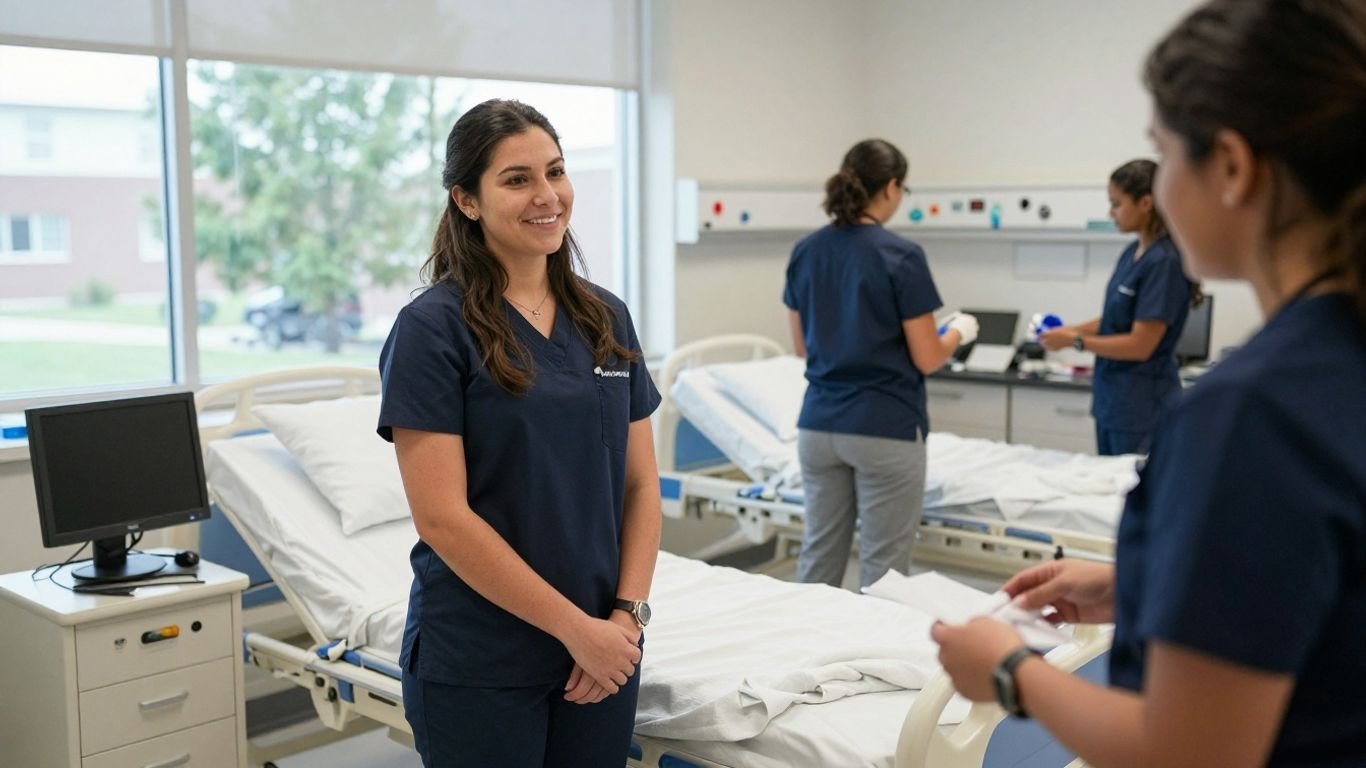
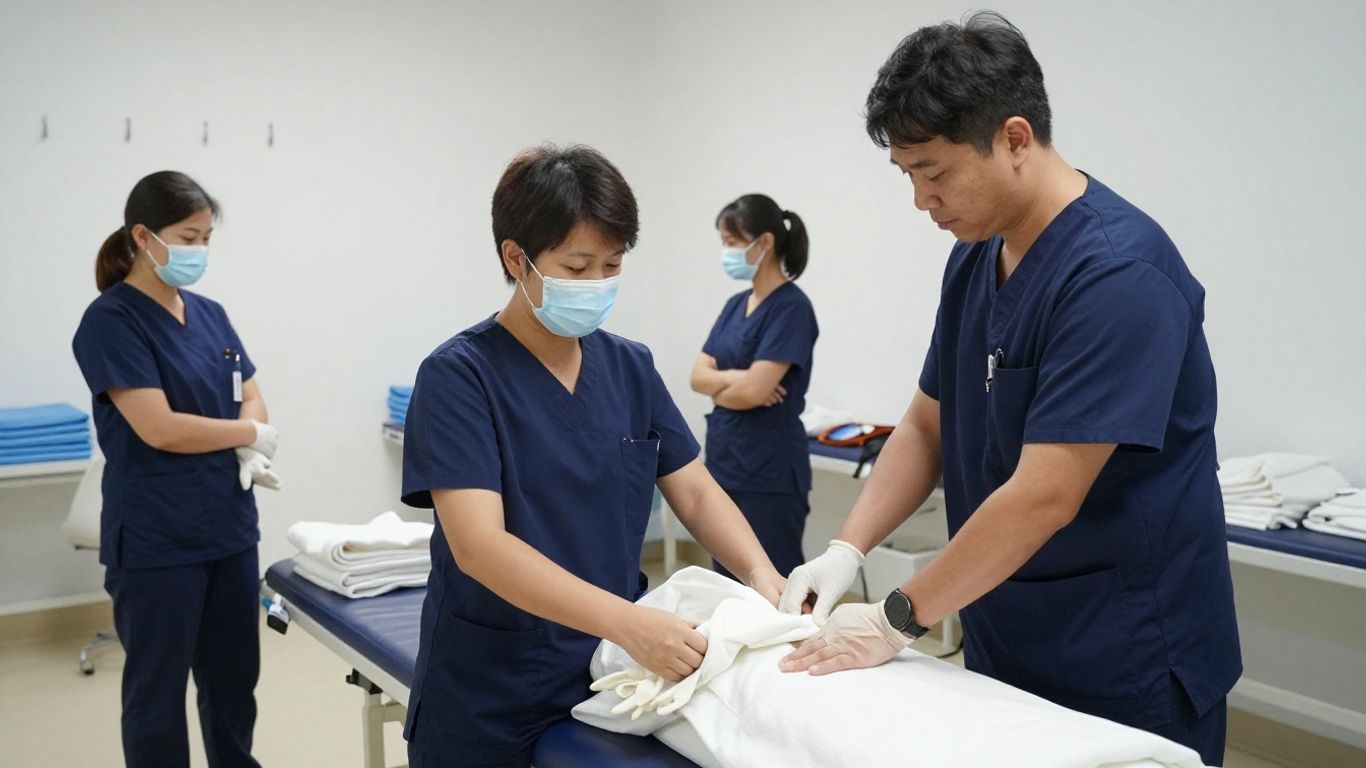
Clinical practice is where classroom concepts become patient-care habits. Ask how many supervised hours are included, where they take place, and whether students practice transfers, vital signs, infection control, communication, and other required skills. You should also know who supervises students and how performance is evaluated.
A program that cannot clearly describe its clinical arrangement deserves extra caution. Hands-on experience should be planned, documented, and connected to the competencies you will need for the exam and the workplace.
Job placement support and employer connections
Placement support can range from résumé review to introductions with hiring managers. Find out whether referrals are guaranteed, whether you must pass the certification exam first, and which types of employers typically participate. Ask for details rather than relying on broad claims about demand.
Some organizations provide interview practice or case management, while others simply post job openings. Either can be useful, but they serve different needs. Choose the level of support that matches your confidence, schedule, and work history.
Transportation, uniforms, books, and exam fees
Small practical details can determine whether you complete the course. Compare programs using a simple cost-and-support snapshot:
| Program detail | Questions to ask | Why it matters |
|---|---|---|
| Tuition and books | Are enrollment and required materials covered? | Prevents unexpected academic costs |
| Uniforms and equipment | Are scrubs, shoes, and supplies provided? | Helps you meet clinical-site rules |
| Transportation | Is travel assistance available for class and clinicals? | Makes regular attendance more realistic |
| Certification exam | Is the initial exam or a retest included? | Clarifies your cost after graduation |
Use the answers to estimate your real out-of-pocket cost and weekly commitment. A program with modest assistance but a convenient clinical site may be more workable than one that covers tuition alone.
Apply successfully to a free CNA program
Strong applications are usually organized, timely, and specific. Read every instruction, attend required orientations, and make sure your contact information is current. Since many cohorts have limited seats, applying early can matter as much as meeting the basic requirements.
Where to find current application openings
Check official provider websites, city workforce pages, community college announcements, and employer career pages. Call when a listing does not show a deadline, because some programs accept interest forms before a formal application opens. You can also use a CNA program directory to identify possibilities, then verify each opportunity with the training provider.
Avoid paying a third party simply to locate a supposedly free class. The provider should be able to explain the funding source, application process, and next steps without pressure.
Documents to gather before submitting an application
Prepare a folder—digital or physical—with identification, proof of address, education records, résumé, work authorization documents if requested, and health records. Some programs may request additional forms, so leave room for updates. Use consistent names and dates across every document.
Scan files clearly and label them in a way that makes sense to an admissions coordinator. If something is missing, submit the application before the deadline only when the program allows it, then ask how to provide the remaining item.
How to prepare for interviews and information sessions
An information session is a chance to learn whether the course fits your life, not merely a formality. Be ready to explain why patient care interests you, how you will manage attendance, and what kind of work you hope to pursue. You do not need a polished healthcare résumé to answer honestly and thoughtfully.
Bring questions about clinical placement, physical demands, schedule changes, and employment expectations. The best interview preparation is practical: know your commute, review the course details, and be prepared to discuss any scheduling limitations.
What to do when a program has a waitlist
Ask whether the list is ranked, how long it usually remains active, and whether you must renew your interest. Keep applying to other approved programs while you wait. A waitlist may move quickly if applicants withdraw, but it should not leave your career plans frozen.
Stay reachable and respond promptly to calls or emails. If you accept another offer, notify the first provider so staff can update the list and contact someone else.
Plan your next steps after CNA training
Finishing class is a major milestone, but it is not always the final step before employment. You may still need to complete the state certification process, organize references, and decide which care setting suits you. Make a short plan before graduation so momentum does not disappear after the last clinical day.
Registering for the New York State certification exam
Ask your training provider how exam eligibility, registration, scheduling, and required documentation work. Keep your completion records and follow the current instructions from the appropriate New York State authority. If you do not pass on the first attempt, ask about retesting rules and use targeted skills practice rather than simply rereading the entire course.
Create a calendar for applications, exam preparation, and follow-up. Knowing the next administrative step can make the transition feel much less uncertain.
Understanding entry-level CNA job opportunities in NYC
CNAs may find entry-level opportunities in nursing homes, hospitals, rehabilitation settings, assisted living environments, and home care, depending on current employer requirements. Each setting involves direct care, communication, documentation, and teamwork, but the pace and patient needs can differ considerably.
Use clinical rotations and informational interviews to identify what suits you. Consider shift times, commute, lifting requirements, supervision, orientation, and opportunities to learn before accepting the first available role.
Comparing hospitals, nursing homes, and home care employers
Hospitals may offer fast-paced exposure and varied units, while nursing homes often involve longer-term relationships with residents. Home care can involve more independence in a client’s home, along with travel and a different level of day-to-day supervision. The right choice depends on your temperament, transportation, and preferred patient relationships.
When comparing offers, look beyond the hourly wage. Ask about scheduling, paid orientation, benefits, overtime, staffing, continuing education, and the process for raising a patient-safety concern.
Building toward LPN or other healthcare careers
CNA work can help you test whether direct patient care is a good fit before investing in a longer program. Over time, you might pursue practical nursing, medical assisting, patient-care coordination, or another healthcare role. The next credential will have its own admissions standards, licensing rules, and financial considerations.
Keep a record of training, clinical experience, employer feedback, and skills you want to strengthen. Resources about healthcare digital marketing or personal care assistance may address adjacent healthcare topics, but they are not substitutes for an approved nursing or CNA education pathway. For unrelated planning tasks, an SEO audit guide, AI and Machine Learning, or Nathan Residences resource will not help with certification; focus your research on official education and licensing information.
Conclusion
Finding free CNA classes in NYC takes more than locating a zero-tuition advertisement. Verify approval, understand every cost, compare clinical experience and support, and apply with your documents ready. A careful choice can turn an affordable training opportunity into a realistic first step in a healthcare career.
Frequently Asked Questions
Are free CNA classes in NYC really free?
Sometimes tuition is fully covered, but books, uniforms, transportation, health records, background checks, or exam fees may remain your responsibility. Ask for a complete cost list before enrolling.
How long does CNA training usually take?
Programs vary, but many intensive courses last several weeks and combine classroom instruction with supervised clinical practice. The required schedule depends on the approved curriculum and provider.
Do I need a high school diploma to enroll?
Some programs require a diploma or equivalency credential, while others use an assessment or different education standard. Check the specific admission policy for the cohort.
Can I take CNA classes online in New York City?
Some classroom material may be offered online or in a hybrid format, but hands-on skills and clinical training generally require in-person participation. Confirm the format before applying.
What costs should I ask about besides tuition?
Ask about textbooks, scrubs, shoes, equipment, transportation, physical examinations, immunizations, background checks, certification exams, and retesting fees.
Can a CNA program guarantee me a job?
Training providers may offer referrals, résumé help, interviews, or employer introductions, but employment is not guaranteed unless a separate written job offer says otherwise. Review any work commitment carefully.
What can I do if I am placed on a waitlist?
Ask how the list works, remain reachable, and continue applying to other approved programs. Keep copies of your documents so you can respond quickly if a seat opens.