Key Takeaways
Choosing CNA classes in Oahu means looking beyond the advertised tuition. Compare approval, clinical practice, instructor support, schedule, transportation, total cost, and exam preparation before you enroll.
- Confirm that the program is approved for Hawaii nurse aide training.
- Look for meaningful lab practice and supervised clinical experience.
- Add uniforms, supplies, testing, transportation, and screening costs to your budget.
- Choose attendance requirements that fit your work and family responsibilities.
- Ask how the school supports exam preparation and entry-level job searches.
Understand what CNA training in Oahu includes
CNA training combines classroom learning with practical care skills. You will study communication, safety, infection prevention, resident rights, vital signs, personal care, mobility, and basic documentation. A useful overview of Hawaii CNA training can help you understand how local programs may differ in hours, delivery format, and certification steps.
Core nurse aide skills and classroom instruction
The classroom portion gives you the vocabulary and reasoning needed for safe, respectful care. Lessons commonly address anatomy and body mechanics, nutrition, emergency procedures, infection control, confidentiality, and how to observe and report changes in a resident’s condition. Do not treat lecture hours as filler; they explain why each hands-on procedure must be performed in a particular way.
A strong program also connects technical tasks with interpersonal habits. Speaking clearly, protecting privacy, listening to residents, and recognizing cultural preferences matter just as much as remembering a procedure. Patient dignity belongs in every skill you practice, from making a bed to helping someone eat.
Hands-on lab practice and clinical experience
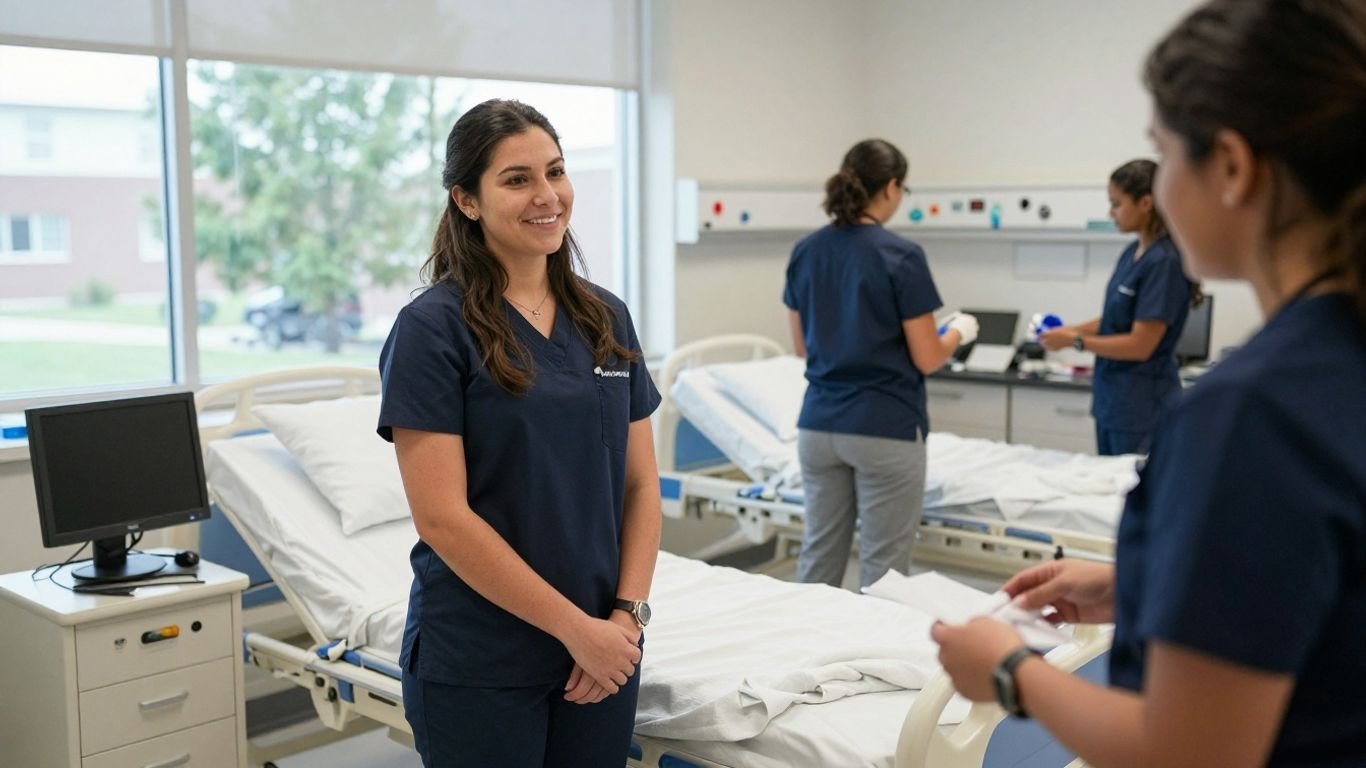
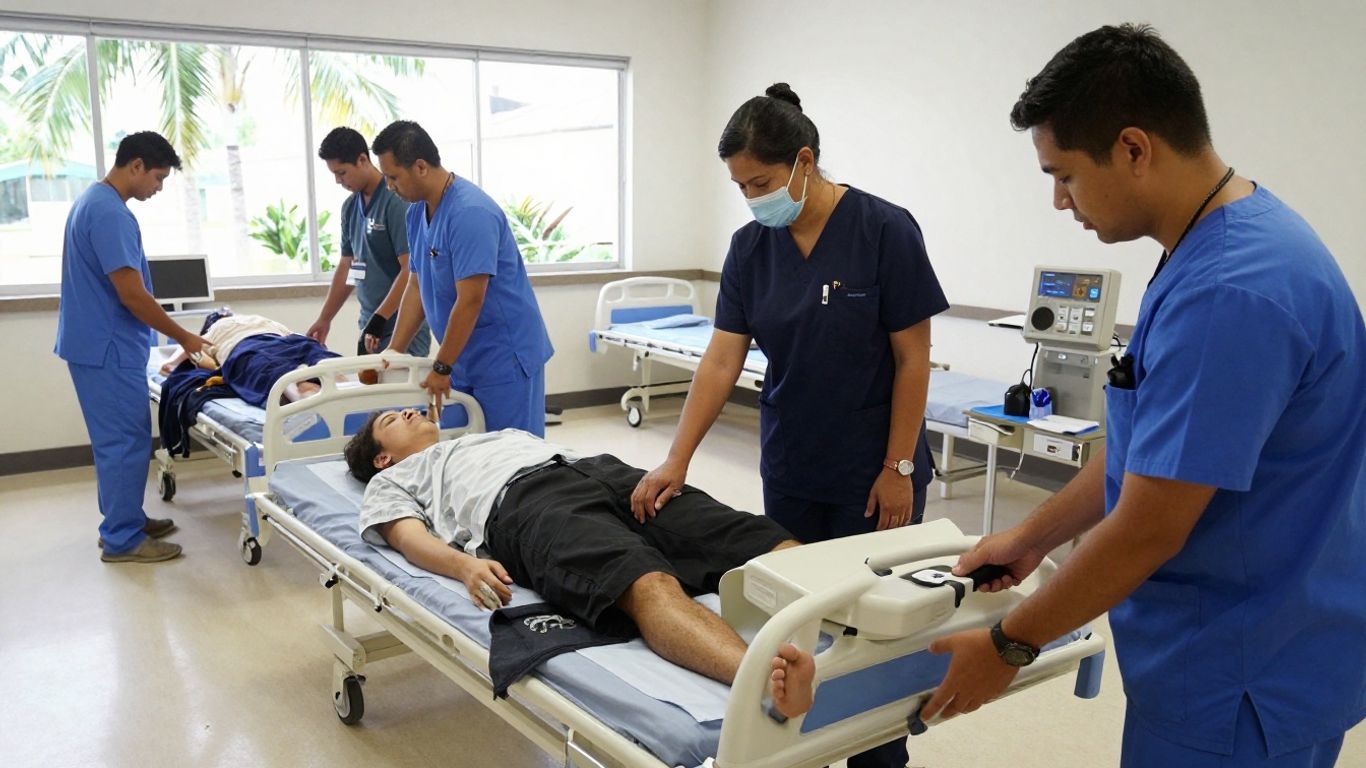
Lab sessions let you practice with equipment and classmates before entering a care setting. Expect repeated work on transfers, positioning, bathing, dressing, toileting, feeding, hand hygiene, and measuring vital signs. Ask how much time students actually spend practicing rather than relying only on the total course length.
Clinical experience adds the pace and unpredictability of real resident care. Under supervision, you learn to organize tasks, communicate with staff, and maintain safety while caring for people with different needs. Programs that clearly explain their clinical site, supervision model, and attendance rules are easier to evaluate.
Hawaii certification and competency requirements
Before enrolling, ask the school to explain how its curriculum prepares students for Hawaii’s nurse aide competency process. You should understand which training hours are required, what documentation proves completion, how exam registration works, and what happens if you do not pass on the first attempt. Requirements and testing procedures can change, so verify current details with the program and the appropriate state authority.
The competency exam generally tests both knowledge and practical performance. Your preparation should therefore include timed questions as well as demonstrations of required skills. A school that only promises a certificate, without explaining exam eligibility and next steps, leaves too much uncertainty.
Typical program length and attendance expectations
Program length varies with state requirements, school design, and whether classes run intensively or part time. Some courses finish in several weeks, while others spread the same learning across evenings or weekends. Background checks, health clearances, limited clinical placements, and missed sessions can also affect the finish date.
Ask for a calendar showing classroom, lab, clinical, review, and exam-related dates. A CNA program length guide is useful for comparing accelerated and traditional formats, but the individual school’s schedule is the final practical answer. Attendance is especially important for clinical hours, which usually cannot be replaced by simply watching an online lesson.
Compare CNA schools and training providers
Oahu offers several kinds of training providers, including community colleges, private schools, and healthcare facilities. Their prices and schedules may look similar at first, while their clinical access and student support differ considerably. Compare the full learning experience rather than choosing the first low-cost listing you find.
State approval and program accreditation
Start by confirming that the program is approved to provide the training required for Hawaii certification. Ask for the approval information in writing and check whether the school’s current course, location, and clinical arrangement are covered. Approval is not a minor detail; without it, completing classes may not make you eligible for the competency exam.
Also ask what the program’s completion and exam process looks like. A school should be able to explain its curriculum, required hours, clinical component, and documentation. The CNA program selection guide offers a useful framework for comparing approval, training quality, cost, and job support.
Instructor qualifications and student support
Instructors should be able to explain both the procedure and the judgment behind it. Ask about their clinical background, teaching experience, class size, office hours, and approach to students who need extra practice. You can also ask whether tutoring, skills review, career counseling, or help with exam registration is included.
Student support is most valuable when it is specific. Find out who answers questions after class, how quickly staff respond, and whether practice equipment is available outside scheduled lab time. A welcoming conversation before enrollment can reveal whether the school treats questions as part of learning or as an inconvenience.
Class schedules, locations, and transportation
A convenient location can make the difference between completing a course and missing required sessions. Map the classroom and clinical site separately, since they may not be in the same place. Check bus routes, parking, travel time during peak hours, and whether clinical shifts begin before public transportation is available.
When comparing local options, you can review Honolulu CNA classes for an example of the information a provider may publish about location, schedules, and contact details. Still, call the school to confirm current dates and the exact site for labs and clinical practice.
School reputation and graduate outcomes
Reviews can reveal patterns about communication, equipment, scheduling, and instructor availability, but they should not replace direct questions. Ask whether the school tracks completion, exam participation, or employment, and clarify how any reported figures were calculated. One graduate’s experience is useful context, not a guarantee of your result.
You might also request a sample syllabus or speak with a recent graduate. Listen for practical details: whether students had enough time to practice, whether clinical placements were organized, and whether staff explained the transition from training to job applications. Those answers often tell you more than polished advertising.
Review admission requirements and enrollment steps
Admission rules vary by provider, even when programs prepare students for the same state process. Some schools require an information session, an education prerequisite, or an interview before registration. Start early because health documents, background checks, and limited seats can delay your preferred start date.
Minimum age, education, and background checks
Ask about minimum age, reading or education prerequisites, and any placement assessment. Some programs may accept a diploma, transcript, or evidence of vocational training, while others use their own screening process. Never assume that meeting a general expectation guarantees admission to a particular Oahu course.
Background checks are another early checkpoint. A record may not automatically prevent enrollment or employment, but the school and clinical partner may need to review it. Disclose information honestly and ask how the review is handled before paying a nonrefundable fee.
Health screenings, immunizations, and CPR certification
Clinical partners commonly require evidence that students can safely participate in resident care. Possible requirements include a physical examination, tuberculosis screening, immunization records, drug screening, and CPR or basic life-support certification. The exact list, timing, and accepted providers should come directly from the school.
Request the health-clearance checklist before registration. Some documents expire, and appointments can take time to arrange. Completing them only after classes begin may create an avoidable interruption in your clinical schedule.
Required documents and application deadlines
Prepare a folder—digital or paper—with identification, education records, health forms, background-check authorization, CPR documentation, and payment information. Ask whether copies are accepted and how documents must be submitted. Keep confirmation emails and receipts so you can prove when each item was provided.
Deadlines may be rolling, fixed, or tied to an information session. A program with limited seating can fill before the advertised start date, so ask when the application is considered complete. If you are comparing providers, the CNA enrollment checklist can help you organize common steps without assuming every Hawaii school uses the same rules.
How to prepare for an entrance assessment or interview
An entrance assessment may cover reading comprehension, basic math, or the ability to follow written instructions. Review fractions, measurements, percentages, medical vocabulary, and short reading passages. The goal is not to memorize advanced nursing content; it is to show that you can learn safely and communicate accurately.
For an interview, prepare a clear explanation of why you want direct-care work and how you will manage attendance. Be ready to discuss transportation, childcare, work hours, and any accommodations you may need. Thoughtful preparation also helps you decide whether the program’s expectations match your circumstances.
Calculate the cost of CNA classes in Oahu
Tuition is only the first number in a CNA budget. Registration, books, uniforms, screenings, equipment, examination fees, and travel can change the final amount substantially. Ask for a written cost sheet and compare what is included before deciding that one program is cheaper.

Tuition, registration fees, and course materials
Ask whether tuition covers textbooks, online access, lab use, clinical placement, and exam preparation. Some providers bundle materials into one price, while others charge separate registration or technology fees. Confirm when each payment is due and whether a deposit reserves your seat.
For a concrete comparison point, one published community-college listing describes tuition of $2,200 with textbooks included, but prices and policies vary by course and date. Treat published figures as a starting point, then request the current written quote from the provider.
Uniforms, equipment, testing, and transportation expenses
Small expenses add up quickly when a course requires specific clothing and equipment. Budget for scrub uniforms, closed-toe shoes, a watch with a second hand, a blood-pressure cuff if required, CPR training, background checks, health screenings, and exam fees. Include parking, fuel, bus fare, and meals during long clinical days.
Use a simple comparison table before you commit. It helps separate the advertised tuition from the amount you will actually need to complete training.
| Cost category | Question to ask | When it may be due |
|---|---|---|
| Tuition and registration | Is the seat deposit refundable? | Before enrollment |
| Books and supplies | Are texts and lab items included? | Start of class |
| Health and background checks | Which providers are accepted? | Before clinicals |
| Exam and certification | Who pays the testing and registry fees? | Near completion |
| Transportation | Are classroom and clinical sites different? | Throughout the course |
After filling in the table for each school, compare totals rather than headline prices. A slightly higher tuition may be easier to manage if it includes books, practice time, or support that another provider bills separately.
Financial aid, scholarships, and employer sponsorships
Ask about scholarships, payment plans, workforce-development funding, and employer sponsorship. Some healthcare employers help cover training when students agree to work for them after graduation, while other assistance may have income, residency, or employment conditions. Get the terms in writing before accepting support.
You can also ask whether aid is applied to tuition only or to testing, uniforms, and screenings as well. A program coordinator may know about local resources, but it is your responsibility to confirm eligibility, deadlines, and repayment obligations.
Questions to ask about refunds and hidden costs
Read the refund policy before paying a deposit. Ask what happens if you withdraw, fail to complete health clearance, miss clinical hours, or the school changes the schedule. Clarify whether fees are refundable, transferable to another cohort, or lost once materials are issued.
A short phone call can prevent an expensive surprise. Ask for every mandatory charge, the payment timeline, the policy for missed sessions, and the cost of repeating a course or exam. Save the answers with your enrollment documents.
Choose a schedule and learning format that fits
The best format is the one you can attend consistently while still learning the skills safely. Online lectures may reduce travel, but labs and clinical experience require physical attendance. Before comparing convenience, identify the sessions that cannot be missed and build your weekly plan around them.
Full-time, part-time, evening, and weekend classes
Full-time classes may shorten the calendar but require broad daytime availability. Part-time, evening, and weekend options can work better for employees or caregivers, though they extend the period during which you must maintain momentum. Compare the complete calendar, not just the number of weekly class hours.
Ask whether clinical shifts follow the classroom schedule or are assigned separately. A weekend lecture course may still require weekday clinical attendance, and that detail can change whether the program is realistic for you.
In-person training compared with hybrid options
In-person instruction gives you immediate access to equipment, demonstrations, and feedback. Hybrid programs may deliver some didactic lessons remotely while keeping skills labs and clinical practice in person. The key question is not whether a course is called hybrid, but exactly which activities happen online and which require attendance.
A provider may describe virtual lectures and in-person clinical experience as part of its format. Confirm the technology requirements, live versus self-paced sessions, lab dates, and clinical location before registering. Remote coursework should make travel easier without reducing the supervised practice you need.
Balancing coursework with work or family obligations
Make a weekly plan that includes travel, reading, practice, meals, and recovery—not just the posted class time. Tell your employer and family the dates of labs and clinical shifts as soon as you receive them. CNA work is physical, so leaving no margin for sleep or unexpected responsibilities can make the schedule harder than it appears.
Before enrolling, answer these practical questions:
- Who can cover childcare or family duties during clinical shifts?
- How will you travel if a session begins early or ends late?
- When will you study and practice skills between classes?
- What is your backup plan for illness, transportation problems, or schedule changes?
A realistic plan is more useful than an ambitious one that depends on every connection and appointment going perfectly. If the calendar already feels impossible, ask about the next part-time cohort instead of hoping you can improvise later.
Making up missed labs and clinical hours
Ask for the written make-up policy before classes begin. Some schools offer limited practice sessions, while clinical hours may depend on site availability and instructor supervision. Missing one session can affect several later requirements if a skill must be demonstrated in sequence.
Find out whom to contact when you will be absent and how quickly you must report it. Keep copies of the attendance policy, clinical rules, and any required medical documentation. Clear procedures reduce confusion when an unavoidable absence occurs.
Prepare for the Hawaii CNA exam and job search
Exam preparation should begin during training, not after the final class. Keep a running list of skills that feel uncertain and ask instructors for correction while there is still time to practice. At the same time, begin collecting experience, references, and documentation for your first healthcare applications.
Written and skills exam preparation
Use the state’s current candidate materials and your school’s practice resources to understand the written or oral portion and the skills demonstration. Practice reading each question carefully, then rehearse skills in the required order while explaining what you are doing. Repetition reduces hesitation, but only feedback can correct unsafe technique.
Create short review sessions rather than waiting for one long study day. Rotate infection control, communication, safety, personal care, mobility, vital signs, and documentation. Ask the school how exam scheduling works and what documents you need on test day.
Common practical skills to master
Focus on fundamentals that appear throughout resident care: hand hygiene, gloves and other protective measures, privacy, body mechanics, transfers, positioning, bathing, dressing, toileting, feeding, and vital signs. Practice setting up supplies before beginning and cleaning the area afterward. Examiners often observe the whole interaction, not just the central task.
Say safety steps aloud during practice when appropriate. Identify the resident, explain the procedure, provide privacy, lock equipment, use correct positioning, and report observations. These habits make your performance more organized and support respectful care in a real workplace.
Building a CNA resume with limited experience
You do not need years of employment to create a credible first resume. Lead with training, clinical experience, certifications, transferable skills, and availability. Describe supervised tasks accurately, avoiding language that suggests independent responsibility you have not yet held.
Include relevant work such as caregiving, hospitality, customer service, childcare, or volunteering when it demonstrates reliability, communication, patience, teamwork, or infection-awareness. Ask an instructor or career adviser to review the document and help you prepare concise examples for interviews.
Finding entry-level healthcare jobs on Oahu
Search broadly across nursing homes, assisted-living communities, home-care organizations, hospitals, rehabilitation settings, and other employers that hire nursing assistants. Check each posting for certification status, shift expectations, transportation needs, and required experience. Local contacts from clinical placement can be helpful, but follow the employer’s formal application process.
Keep a simple record of applications, follow-ups, interview dates, and requested documents. A local CNA training contact can also be a useful example of the kind of provider information—questions, location, and contact channels—you may want to gather before applying to programs or employers.
Conclusion
The right CNA program in Oahu is not necessarily the shortest or least expensive one. Choose a state-approved course with supervised practice, transparent costs, a workable schedule, and support that carries you from enrollment through the Hawaii competency exam and your first job search.
Frequently Asked Questions
How long do CNA classes in Oahu usually take?
Programs may run for several weeks or extend across multiple months, depending on required hours, class frequency, clinical scheduling, and whether you study full time or part time. Ask each school for a complete calendar.
What should I look for in a CNA program?
Confirm state approval, classroom and lab content, supervised clinical experience, instructor qualifications, attendance rules, total cost, exam preparation, and student support. A written course outline makes comparisons easier.
Do CNA programs require clinical experience?
Programs preparing students for certification generally include supervised practical training. Ask where clinicals occur, how many hours are required, and what happens if you miss a scheduled shift.
Can I take CNA classes while working?
Many students do, but the fit depends on the calendar. Compare evening, weekend, part-time, and hybrid options while checking whether labs and clinicals still require daytime attendance.
What extra costs should I budget for?
Plan for registration, books, uniforms, shoes, equipment, background checks, health screenings, CPR certification, examination fees, transportation, parking, and meals. Request a complete cost sheet before paying.
How can I prepare for the CNA competency exam?
Study current candidate materials, review practice questions, and rehearse skills repeatedly under instructor feedback. Practice safety, privacy, communication, and correct sequencing rather than memorizing isolated steps.
What jobs can I apply for after training?
Depending on certification and employer requirements, entry-level opportunities may include nursing homes, assisted living, home care, rehabilitation, hospitals, and other direct-care settings. Read each posting carefully and tailor your resume to the role.