Key Takeaways
Starting a healthcare career requires careful planning and a clear understanding of the regulatory landscape in Georgia.
- State-approved programs in Georgia generally mandate a minimum of 85 training hours.
- Students must pass a comprehensive state exam covering both clinical skills and written knowledge.
- Accreditation and state approval status are non-negotiable markers of a quality educational institution.
- Practical clinical rotations are the cornerstone of developing real-world patient care experience.
- Financial aid and employer-sponsored programs can significantly offset the cost of your nursing assistant education.
Understanding the state requirements for CNA certification in GA
Becoming a Certified Nursing Assistant in Georgia involves meeting specific regulatory benchmarks established by the state. You need to focus on completing a program that is fully recognized by the state board, as this ensures your eligibility for the eventual certification exam. Navigating these requirements early prevents administrative hurdles down the road.
Prerequisites for clinical training
Before you start your hands-on work, most programs require proof of age and a clean criminal background check. You will likely need to provide documentation of current immunizations, including a negative TB skin test, to ensure patient safety before entering any medical facility. Meeting these prerequisites promptly is essential to secure your spot in a cohort.
Minimum state-mandated training hours
Georgia requires a specific number of instructional hours that combine classroom theory with supervised clinical practice. These hours are designed to build your competence in essential nursing tasks such as patient hygiene, mobility assistance, and accurate vitals monitoring. Checking these details through launch your healthcare career helps ensure your chosen program meets the 85-hour standard.
Background check and health screening regulations
Your journey into healthcare is contingent upon the results of a routine background check and physical health screenings. These steps are standard for all healthcare professionals, as they protect both the facility and the individuals under your care. Ensure your documentation is accurate and recent, as many schools have strict policies regarding the expiration dates of these reports.
Maintaining compliance with the Georgia Board of Examiners
Staying compliant with the Georgia Board of Examiners is the final piece of the initial certification puzzle. This involves submitting the correct paperwork following your graduation to receive your active status on the state registry. Consistent record-keeping during your training will make this final step much smoother.
Evaluating CNA programs across Georgia
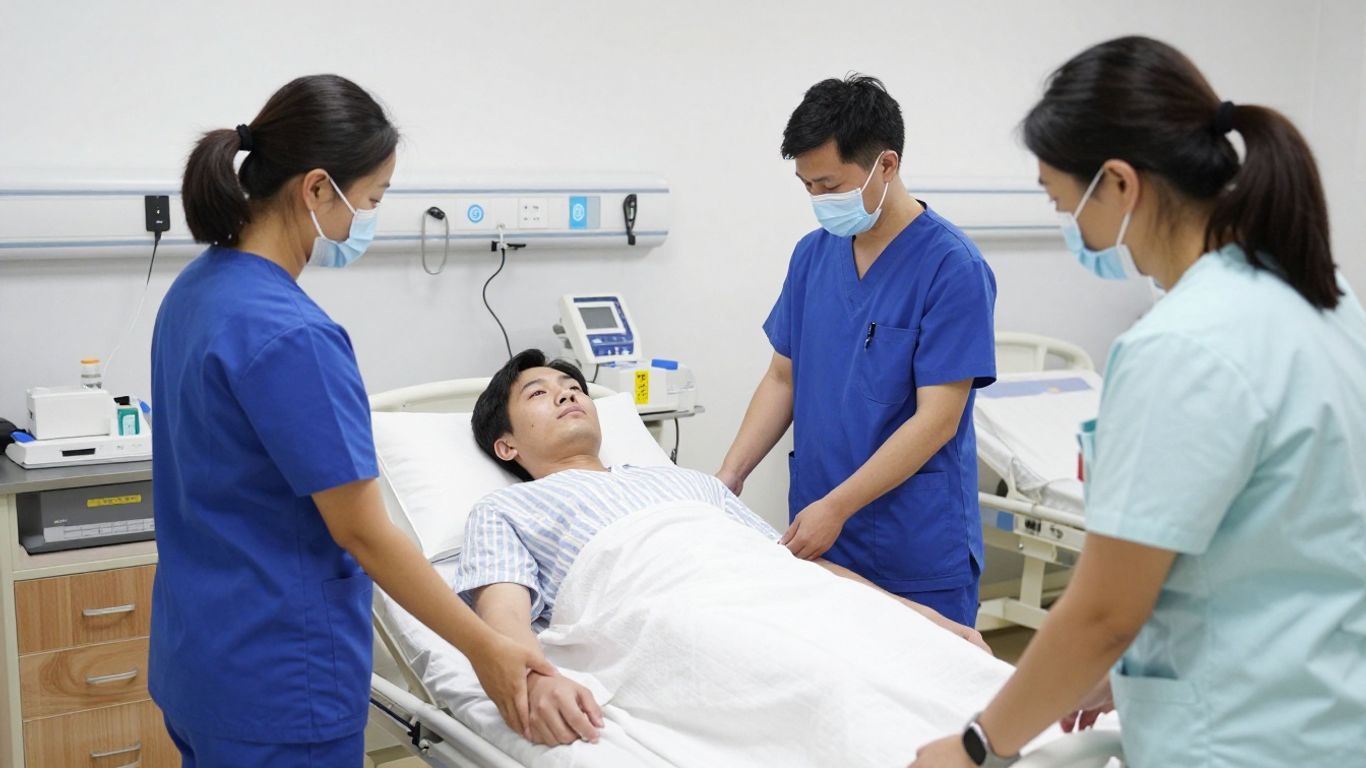
Choosing where to train is perhaps the most critical decision for your success. You should look for schools that demonstrate a clear commitment to student outcomes and provide transparent information regarding their curriculum. When you find CNA classes at reputable institutions, you gain access to the support systems necessary to pass your certification exam on the first attempt.
Comparing community college versus private training centers
Community colleges often follow a semester-based logic with broad academic support, whereas private centers may offer accelerated paths that get you into the field faster. Your choice depends on whether you value a traditional educational environment or a focused, quick-entry training model. Many students find that comparing these options allows them to balance their immediate income needs with their long-term educational goals.
Checking accreditation and state approval status
Always verify that your prospective program appears on the list of state-authorized training providers. An unaccredited school might leave you with a certificate that is not recognized for state board exams, rendering your training essentially useless for employment. Seeking schools that are authorized training providers ensures that your time and financial investment are protected by state standards.
Assessing clinical rotation sites and hands-on experience
Clinical rotation quality varies significantly between programs, and this is where you will gain the confidence needed for your career. Programs that have long-standing partnerships with local hospitals or nursing homes provide the most authentic learning environment. You want to ensure the labs have enough equipment for every student to practice rather than just observing others.
Verifying instructor experience and qualifications
Instructors often bring diverse backgrounds from various aspects of nursing. You can gauge the quality of a program by asking about the clinical experience of the faculty. Having teachers who are active in the industry ensures you learn current best practices rather than outdated methods.
Budgeting for your nursing assistant education
Planning for the financial aspects of your education is essential. Beyond tuition, you need to account for materials, testing fees, and potential travel expenses to clinical sites. Having a structured plan helps you avoid stress throughout the program.
| Expense Category | Estimated Cost | Notes |
|---|---|---|
| Tuition Fees | $1,000 – $2,500 | Varies by program type |
| Testing/Exam Fees | $120 – $150 | Paid to state testing agency |
| Supplies/Textbooks | $100 – $300 | Includes uniforms and equipment |
The table above helps demonstrate how cumulative costs can fluctuate based on the type of school you choose. It is wise to look at these costs upfront to see how they might affect your monthly budget.
Calculating total tuition and hidden costs
Tuition is rarely the final cost; schools often add fees for background checks, CPR certification, and student liability insurance. Ensure you get a comprehensive breakdown from any school you consider to avoid surprises after you arrive. Hidden costs can include specialized clothing or equipment like a blood pressure kit that the school may require you to purchase manually.
Exploring financial aid options in Georgia
Many students qualify for grants or state-specific programs that help reduce their out-of-pocket tuition burden. Investigating these possibilities early can be a highly effective strategy for financing your education without taking on significant debt. Local vocational departments often have information on scholarships specifically for healthcare students.
Seeking employer-sponsored or VA training programs
Some healthcare facilities offer training programs where they cover the lion’s share of costs in exchange for a commitment to work at their facility later. These programs are gold mines for students who are ready to jump directly into the workforce. If you have military service, specialized VA assistance can often cover almost all education costs.
Considering state grant opportunities for healthcare students
Georgia often provides specific grants to encourage students to join the high-demand healthcare field. These opportunities are not always advertised prominently on main school websites, so keep a close eye on the official state agency pages. Following these routes can make your education significantly more affordable.
Balancing your education with professional responsibilities

Many nursing assistant students are already balancing employment or family responsibilities. Choosing a program with flexible scheduling ensures that your education doesn’t become a source of burnout. Programs that understand the need for work-life integration are likely to have higher completion rates.
Choosing between full-time and part-time course loads
Full-time programs offer a faster route to certification, but they require a significant daily time commitment. If you work a full-time job, a part-time program might be a more sustainable option, even if it delays your graduation by a few weeks. Determining the right pace for your lifestyle is crucial for staying committed.
The benefits of evening and weekend class options
Evening and weekend classes are designed for precisely those who cannot attend during the standard Monday-to-Friday block. These sessions often attract motivated peers who are also juggling professional careers, creating a focused and productive learning environment. Having access to these times allows you to earn your certification without having to quit an existing job.
Adapting to blended learning environments
Blended learning combines online theory with in-person clinical practice. This format gives you the flexibility to complete your reading and exams from home, saving time on commuting. If you choose this path, you must be disciplined enough to manage your online coursework alongside your hands-on training requirements.
Managing transportation and scheduling conflicts
Getting to and from your clinical site and campus on time is non-negotiable. If you rely on public transportation or carpooling, map out your routes during the busiest times of day to ensure you are never late. Developing a backup plan for your commute will prevent small logistics hiccups from becoming major obstacles.
Preparing for the Georgia CNA state exam
Your final goal is the state exam, a rigorous test of your clinical technique and theoretical knowledge. Because the state requires a demonstration of competence, your preparation should include active dry runs of all skills. Using your school’s resources effectively makes a significant difference during this high-stakes testing phase.
Utilizing test preparation resources provided by schools
Most quality training programs provide dedicated review periods or practice tests. Utilizing these tools is the best way to get familiar with the test environment before the actual day. Don’t be afraid to ask for extra practice on skills you find particularly challenging to perform under pressure.
Mastering clinical skills assessment techniques
Clinical exams require precision and a clear adherence to procedural steps. Practicing these in a controlled lab environment ensures you know exactly how to handle equipment such as gait belts, blood pressure cuffs, and linens. Repetition helps move these actions from your conscious thought process to muscle memory.
Understanding the written knowledge test format
The knowledge test evaluates your understanding of patient safety, medical terminology, and ethical responsibilities. Reviewing these concepts periodically through the length of your course prevents the need for a frantic last-minute cram session. Focus on understanding the ‘why’ behind each rule, as this makes memorization easier.
Scheduling and testing center logistics
Timing your exam registration correctly is important for maintaining peak performance. Ensure you are familiar with the location of your chosen testing center and check the arrival requirements beforehand. Being calm about logistics on the day of the exam lets you focus entirely on your performance.
Navigating job placement after graduation
After passing the exam, the focus shifts to finding a role that fits your career goals. Many programs have internal networks that facilitate introductions to local healthcare administrators. Taking full advantage of these resources can bypass traditional, slower application channels.
Leveraging school partnerships with local healthcare facilities
Schools often have direct relationships with hospitals and clinics that hire their graduates regularly. These partnerships can give you a significant head start in the hiring process. Make sure to talk to your career services coordinator, as they often have the most up-to-date listings of open positions.
Building a professional resume for post-certification roles
Even with limited experience, your clinical rotation hours are valuable additions to your resume. Focus on highlighting your proficiency in direct patient care and your completion of the state-approved requirements. A clean, professional resume that outlines your specific training modules is your most important tool during job searches.
Networking through clinical internship supervisors
Your supervisors during your clinical training are the best people to ask for recommendations or advice. They have seen you work in a real-world setting and understand your potential as a practitioner. Building a positive relationship with them can open doors that are not accessible via standard job boards.
Identifying high-demand CNA roles in specific GA regions
Different parts of Georgia have different healthcare needs, ranging from urban hospitals to rural assisted living facilities. Understanding which regions have the highest need for CNAs can lead to better job offers and potentially higher starting wages. Conducting your own market research on find top CNA schools in your target area can reveal where the most consistent hiring is taking place.
Conclusion
Starting your career in healthcare through a recognized training path is a rewarding investment in your future. By focusing on accredited programs, staying disciplined through your clinical training, and actively preparing for your exams, you set the foundation for a stable and meaningful profession. As you move from student to certified practitioner, your commitment to continuous learning will remain your greatest asset in providing excellent patient care across Georgia.
Frequently Asked Questions
How long does it typically take to complete a CNA program in Georgia?
Most state-approved programs in Georgia take between four and twelve weeks to complete, depending on whether you take a full-time or part-time course load.
Can I work part-time while attending CNA classes?
Yes, many students work part-time while attending class, especially if they choose a program with evening or weekend scheduling options.
What are the main components of the Georgia CNA state exam?
The exam is divided into two parts: a written knowledge test covering patient care theory and regulations, and a clinical skills examination where you demonstrate proficiency in specific tasks.
Do I need to be a high school graduate to enroll in a CNA program?
While requirements vary by school, most institutions expect you to have either a high school diploma or a GED, though some programs may accept a minimum competency test.
Are there any upfront costs I should save for before starting training?
Yes, you should budget for the tuition payment, the cost of scrubs or uniforms, required immunizations, and the fee for your final state certification exam.
Can I transfer my CNA certification from another state to Georgia?
If you have a current, active license in another state, you may be eligible for reciprocity, which allows you to work in Georgia without repeating the entire training program.
What should I look for in a clinical rotation facility?
Look for a facility that offers a diverse range of patient care cases and allows you to practice under the direct supervision of experienced nurses, ensuring you receive high-quality feedback.