Key Takeaways
Choosing CNA classes in Nashville, TN, is easier when you compare approval status, hands-on training, schedule, total cost, and support after graduation.
- Confirm that the program meets Tennessee training and testing requirements.
- Compare classroom, lab, and clinical experience rather than tuition alone.
- Ask for a complete cost breakdown, including exam and screening expenses.
- Look for qualified instructors, practical student support, and clear enrollment policies.
- Use the program to build a foundation for long-term healthcare work.
Understanding CNA certification in Tennessee
A certified nursing assistant provides direct, practical support to patients and residents under the direction of licensed nurses. In Nashville, prospective students should understand the difference between completing a course and becoming eligible for placement on the state nurse aide registry. The right training program connects instruction, supervised practice, testing, and career preparation. This CNA certification guide can also help applicants organize the general steps before contacting schools.
What a certified nursing assistant does
CNAs help with everyday care such as bathing, grooming, dressing, feeding, mobility, positioning, and measuring vital signs. They also communicate observations to nurses and contribute to a safe, respectful environment for patients. The work calls for patience and careful attention because small changes in comfort, behavior, or condition may matter. A useful overview of CNA responsibilities can help you decide whether this kind of close patient contact suits your goals.
Tennessee CNA training and testing requirements
Tennessee applicants generally need to complete an approved nurse aide training program before taking the state certification examination. Programs commonly combine instruction in patient care, infection prevention, safety, communication, residents’ rights, and basic health concepts with supervised practice. Requirements can change, so confirm current eligibility rules, testing procedures, and registry information with the Tennessee Department of Health or the program itself.
How classroom, lab, and clinical hours fit together
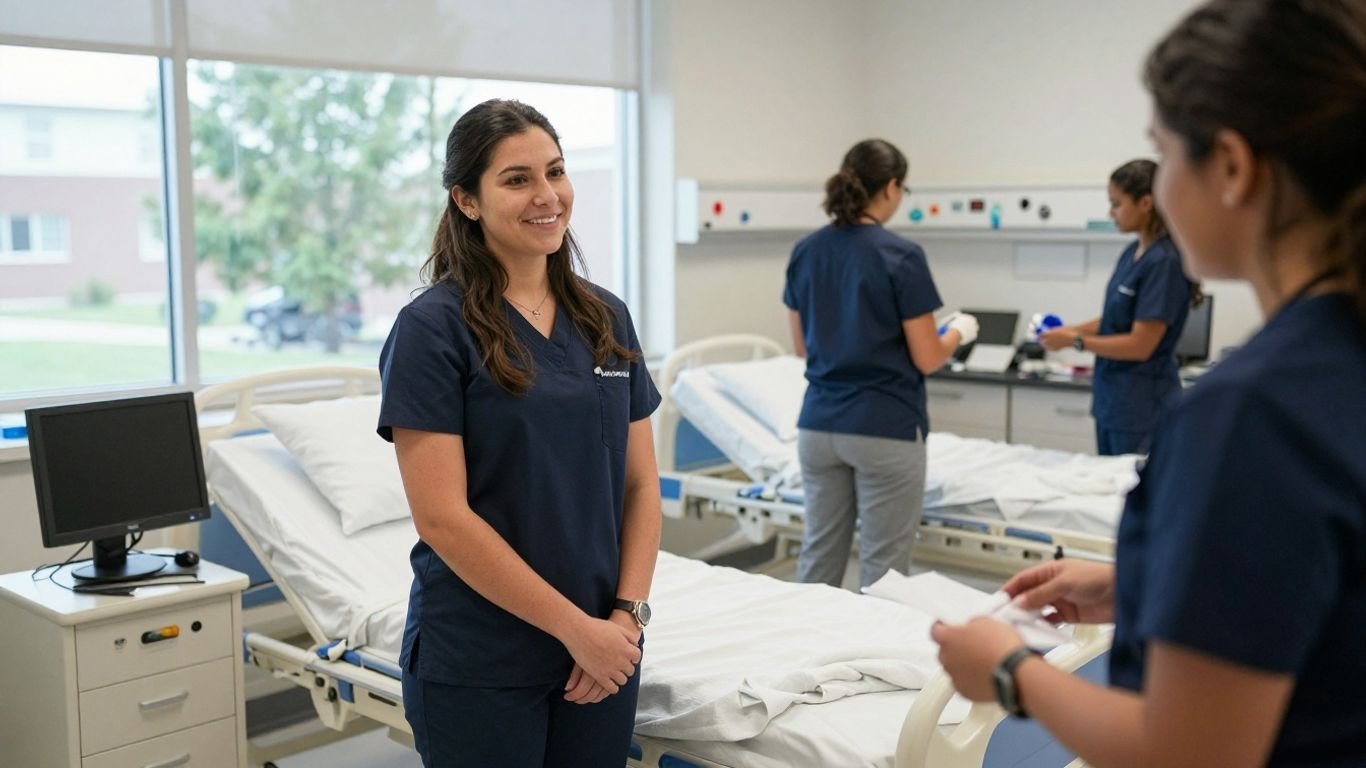
Classroom lessons explain the reasoning behind safe care, while lab sessions let students practice techniques in a controlled setting. Clinical training then places those skills in a real healthcare environment under supervision. Ask how many hours are assigned to each setting and whether students must pass classroom or lab assessments before entering clinicals. A program that clearly explains this sequence gives applicants a better sense of how prepared they will feel on the first day of work.
The difference between CNA certification and licensure
People often use “license” and “certification” interchangeably, but a Tennessee CNA is typically recognized through training, examination, and placement on the state nurse aide registry. That is different from holding a professional nursing license as an LPN or RN. Understanding the distinction helps prevent confusion when reading job postings or planning further education. Your school should explain what credential you receive, who records it, and what renewal or work-history rules may apply.
Comparing CNA classes in Nashville
Nashville offers several ways to enter nurse aide training, but programs can differ considerably in structure and student experience. Compare more than location: review the teaching format, clinical arrangements, attendance policy, and support offered between enrollment and examination. The local Nashville CNA school guide is a useful starting point for building a shortlist. Then contact each program directly for current dates and requirements.

Community colleges, career schools, and healthcare employers
Community colleges may provide broader student services and multiple healthcare pathways, while career schools often focus on a concentrated certificate course. Healthcare employers sometimes sponsor or host training connected to their staffing needs. Each model can work well, depending on whether you value transfer options, a short schedule, or a possible hiring connection. Ask who operates the program, where clinicals occur, and whether the listed tuition includes all required coursework.
In-person, hybrid, and online learning options
In-person classes are often the simplest choice for students who want immediate feedback while learning transfers, personal care, and infection-control techniques. Hybrid programs can offer online theory with scheduled lab and clinical meetings, but they still require reliable transportation and time on site. A fully online course may not satisfy the practical requirements for Tennessee certification, so verify exactly how hands-on work and supervised clinical hours are provided before enrolling.
Program length, schedules, and attendance requirements
Program length depends on the curriculum, required hours, and whether classes meet full time or part time. A short course is not automatically better; missed practice or rushed instruction can make exam preparation harder. Read the attendance policy carefully, including rules for tardiness, make-up work, clinical absences, and withdrawal. For broader comparisons of CNA program costs and lengths, use published guidance as a reference, then confirm figures with the school.
Day, evening, and weekend class availability
Schedule fit is a practical issue, especially for students who work, care for children, or rely on public transportation. Ask whether the same instructor, lab access, and clinical opportunities are available across day and evening cohorts. Weekend options may still require weekday clinical shifts, so request a complete calendar rather than relying on a course title. A realistic schedule protects attendance and gives you enough energy to learn safely.
Evaluating the cost of CNA training
The advertised tuition for CNA classes in Nashville, TN, is only one part of the financial picture. Registration, books, uniforms, screenings, transportation, examination fees, and missed work can all affect the real cost. Write down every expense before comparing programs so a lower headline price does not become a surprise later. Cost should be weighed alongside approval, instruction quality, and the amount of supervised practice included.
Tuition, registration fees, and textbook expenses
Request an itemized estimate that separates tuition from registration, textbooks, supplies, uniforms, and administrative charges. Some schools bundle materials into one fee, while others require students to purchase them independently. Ask when each payment is due and whether prices apply to the entire course or only the initial term. A written estimate makes it easier to compare programs fairly and plan around your available cash.
Additional costs for exams, background checks, and supplies
Students may also need to budget for a physical examination, drug screening, immunization documentation, background check, CPR training, and state testing. The amounts and responsibility for each item vary by program. Before paying a deposit, ask which costs are mandatory, which are optional, and whether a failed or rescheduled exam creates another charge. Small fees can add up quickly when they are not listed in the initial quote.
Financial aid, scholarships, and employer-sponsored training
Ask whether the school accepts grants, workforce funding, scholarships, payment assistance, or employer sponsorship. Some healthcare employers advertise free training, but the arrangement may include eligibility rules or a commitment to work for the employer after certification. Get those terms in writing, including what happens if you withdraw or do not pass the examination. State-focused resources on affordable CNA training may help you identify questions to raise with an advisor.
Questions to ask about refunds and payment plans
A refund policy should explain deadlines, nonrefundable deposits, withdrawal procedures, and whether unused materials can be returned. Payment plans deserve the same attention: clarify the installment dates, late fees, and consequences of missing a payment. These questions are especially useful when comparing a private course with an employer-sponsored option. Keep copies of the enrollment agreement and receipts so you can refer back to the terms.
When researching programs online, search results may also surface unrelated material, such as Attic Fanatics, a Canada to USA moving guide, product reviews, hospitality consultants, or land clearing contractors. Treat those results as a reminder to check the page topic and source before relying on any training information.
Choosing a reputable CNA program
A reputable program should be transparent about approval, teaching, practice opportunities, costs, and outcomes. It should answer questions directly rather than pressuring applicants to pay before they understand the commitment. Visit the facility when possible and notice whether the lab looks active, clean, and adequately equipped. Good CNA program selection advice can provide a checklist, but your own conversation with the school still matters.
State approval and program eligibility
Ask the program to identify its Tennessee approval status and explain whether successful completion makes you eligible for the state examination. Confirm the name of the approving agency and check that the approval applies to the specific campus and course you are considering. Be cautious with vague claims such as “nationally recognized” when your immediate goal is Tennessee registry eligibility. Clear documentation is more useful than impressive-sounding language.
Instructor qualifications and student support
Instructors should have appropriate nursing or nurse aide experience and the ability to teach both concepts and hands-on procedures. Ask how students receive feedback, how many people share a lab station, and whom to contact when they fall behind. Support may include tutoring, review sessions, remediation, or help understanding testing paperwork. Accessible guidance can matter as much as the classroom schedule when a student is learning unfamiliar care routines.
Clinical training locations and hands-on practice
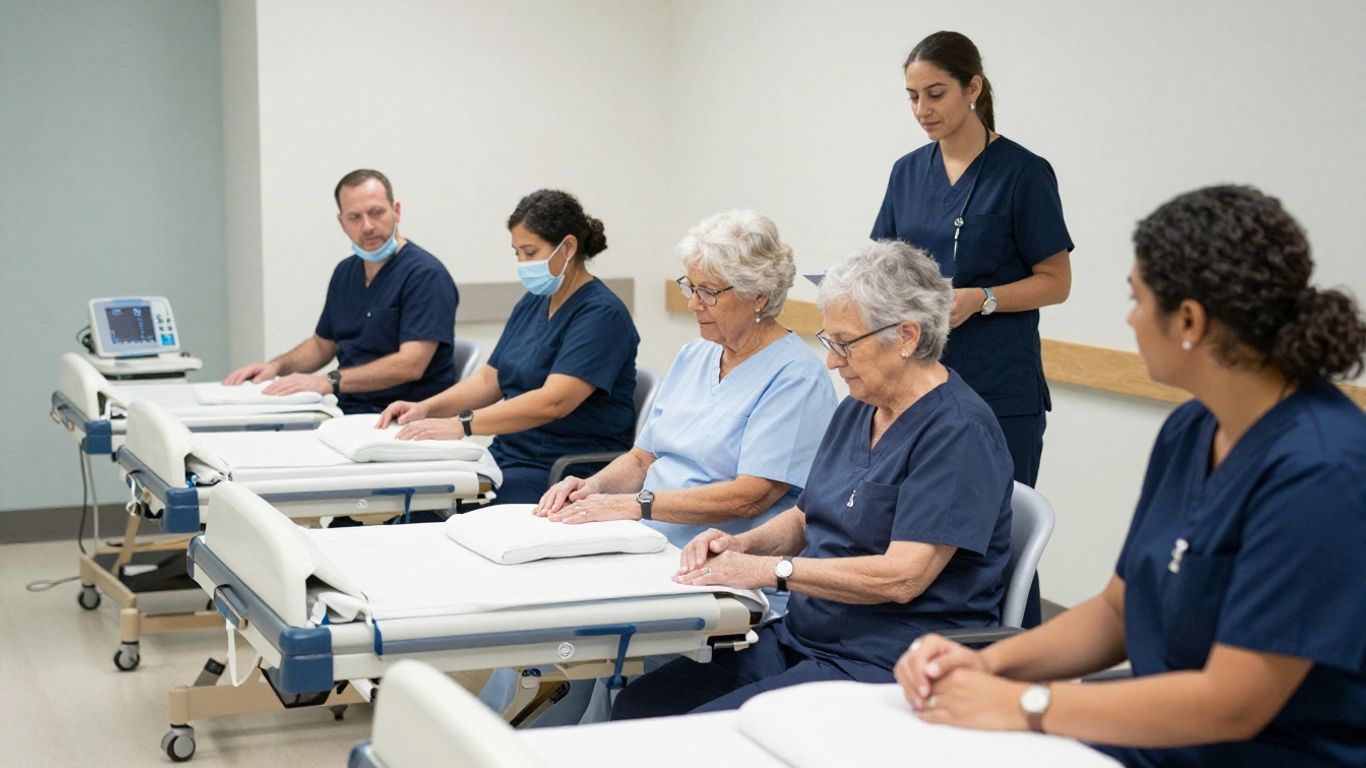
Clinical experience should be supervised and connected to the skills taught in class. Ask where students train, how transportation works, what patient populations they encounter, and whether every student receives meaningful practice. A lab demonstration alone is not the same as performing care in a healthcare setting. The more specific the program is about clinical placement and supervision, the easier it is to judge its preparation value.
Graduation rates, exam preparation, and job placement
Ask whether the school publishes completion or examination results and how those figures are calculated. A strong program should explain how it prepares students for both the knowledge test and skills evaluation without promising a guaranteed result. Job placement support may include resume help, interview practice, referrals, or employer introductions. Treat placement statistics as useful context, not as a promise that every graduate will receive a particular job.
Applying for CNA classes in Nashville
Applying is usually straightforward, but preparation can prevent delays. Schools may have limited seats, fixed start dates, or clinical requirements that make late applications difficult. Gather questions and documents before contacting an admissions office, and ask for the complete timeline from application to orientation. This guide to CNA classes near you can help you think through location and format while you compare Nashville options.
Common admission requirements
Requirements vary, but programs may set a minimum age, request proof of education or reading ability, and require students to meet physical demands. Some also ask for CPR certification or an admissions interview. Do not assume that meeting a school’s basic admission standard guarantees eligibility for the state examination. Ask the admissions representative to distinguish school requirements from state or clinical-site requirements.
Documents, health screenings, and background checks
Applicants may need identification, education records, immunization history, a physical examination, tuberculosis screening, drug screening, and a criminal background check. Clinical sites can have additional rules, and unresolved documentation may delay placement even after classes begin. Start gathering records early, especially if you need copies from another state or a healthcare provider. Ask how recent each document must be and whether the school accepts approved alternatives.
How to prepare for the entrance process
Read the application carefully and answer every question consistently. If there is an assessment, review basic reading, arithmetic, anatomy vocabulary, and comprehension rather than trying to memorize a narrow set of answers. Prepare a short explanation of why you want patient-care work and how you will manage the schedule. Arriving with realistic expectations makes the interview feel more like a conversation than a test.
What to expect during enrollment and orientation
After acceptance, you may complete registration, pay a deposit, submit health records, order uniforms, and receive a detailed calendar. Orientation often covers attendance, conduct, safety, privacy, clinical behavior, and examination procedures. This is the right time to ask about transportation, make-up work, supplies, and withdrawal deadlines. Keep the handbook and calendar accessible because small policy details can affect successful course completion.
Preparing for the Tennessee CNA exam
Exam preparation should begin during the first week of training rather than after the final class. The knowledge test checks understanding of safe care, while the skills evaluation asks you to perform selected tasks in the correct order. Practice should therefore combine recall, explanation, and physical repetition. Use your instructor’s materials and confirm current testing details through official Tennessee resources.
Written or knowledge test topics
Review topics such as infection prevention, safety, communication, residents’ rights, basic body systems, nutrition, emergency awareness, and activities of daily living. Learn the reason behind each procedure so you can apply it to a new question instead of relying only on memorized wording. Short, regular study sessions are usually easier to sustain than one long review the night before the test. Mark uncertain topics and bring them to your instructor.
Skills evaluation and common performance tasks
Skills practice may include hand hygiene, vital signs, transfers, positioning, personal care, measuring intake and output, and communication with a resident. Examiners look for safety, privacy, organization, and completion of critical steps, not just speed. Say what you are doing when communication is part of the task and keep the resident’s dignity in view. Rehearsing with a checklist can reveal skipped steps that feel obvious during a demonstration.
Study strategies, practice tests, and lab review
Create a weekly plan that alternates knowledge review with hands-on practice. Practice tests can show where concepts need more attention, but they should supplement—not replace—your textbook and instructor feedback. During lab review, ask a classmate to observe silently and then compare your performance with the official skill sequence. A CNA career resource can offer broader planning ideas as you move from study to employment.
Use the video as an optional visual supplement, not as a substitute for your program’s approved instruction. Procedures and testing rules can change, and an online demonstration may omit details required by your evaluator.
Retesting rules and next steps after an unsuccessful attempt
If you do not pass on the first attempt, ask the testing authority and your program what deadlines, fees, and retesting limits apply. Request specific feedback about the knowledge topics or skill steps that need work. Use that information to schedule targeted remediation rather than repeating every lesson without a plan. An unsuccessful attempt is disappointing, but it can also identify exactly where additional practice will help.
Starting a CNA career in the Nashville area
Once certified and listed as required, graduates can begin applying for entry-level roles in a range of care settings. Nashville’s healthcare employers differ in patient population, shift structure, pace, and orientation support. Read job descriptions closely and compare the actual duties with what you practiced in class. Your first position should offer a safe environment to build consistency, communication, and confidence.
Hospitals, nursing homes, assisted living, and home care
Nursing homes and assisted-living communities may provide extensive experience with daily care, chronic conditions, and older adults. Hospitals can expose CNAs to faster changes in patient needs and closer collaboration with a broader care team. Home care work may involve more independence and one-on-one support. Consider supervision, transportation, shift length, and training—not just the facility name—when choosing where to apply.
Entry-level CNA duties and workplace expectations
Employers expect CNAs to follow care plans, protect privacy, use equipment safely, report observations promptly, and document accurately according to workplace policy. Reliability matters because missed care affects both patients and coworkers. You may also need to handle emotionally difficult situations while remaining calm and respectful. Ask during interviews how new employees are oriented, evaluated, and supported when a task is unfamiliar.
Typical pay factors and advancement opportunities
Pay varies with setting, shift, experience, credentials, overtime, and the employer’s needs. Night, weekend, or short-notice work may carry different compensation, but applicants should compare the full package rather than one hourly number. Benefits, paid training, scheduling stability, and tuition assistance can change the value of an offer. Over time, additional credentials or specialized experience may open paths into medication aide work, practical nursing, or other healthcare roles where permitted.
Building experience for future healthcare careers
A CNA position can help you learn how care teams communicate and how patients move through a facility. Keep a record of completed training, strong evaluations, and skills you want to improve. Seek constructive feedback and observe how experienced staff prioritize tasks during busy shifts. If you later pursue LPN, RN, medical assistant, or another healthcare path, this experience can give your classroom learning a practical foundation.
Conclusion
The best CNA classes in Nashville, TN, are not necessarily the shortest or least expensive; they are the programs that clearly meet Tennessee requirements, provide supervised practice, fit your life, and prepare you to serve patients with care. Compare the full experience, ask direct questions, and choose a course whose expectations you can realistically meet.
Frequently Asked Questions
How long do CNA classes in Nashville usually take?
Program length varies by schedule and curriculum. Some courses run full time for several weeks, while part-time programs may take a few months; confirm the required classroom, lab, and clinical hours before enrolling.
Do CNA programs in Tennessee include clinical training?
Approved programs generally include supervised practical experience in addition to classroom instruction. Ask the school where clinical training occurs and how many hours students complete in that setting.
Can I complete CNA training entirely online?
Theory may be available online or in a hybrid format, but hands-on lab and clinical requirements still need supervised practice. Verify that the format meets Tennessee eligibility rules before paying tuition.
What costs should I budget for besides tuition?
Plan for registration, books, uniforms, supplies, background checks, health screenings, transportation, and examination fees. Request an itemized estimate so you can compare the total cost of different programs.
Is financial assistance available for CNA training?
Some students qualify for scholarships, workforce assistance, grants, payment plans, or employer-sponsored training. Each option has its own deadlines and conditions, so ask the program for current details in writing.
What happens if I do not pass the CNA exam?
You can usually review the testing authority’s retesting procedures, deadlines, and fees, then prepare for another attempt. Ask your school for targeted remediation based on the part of the exam that gave you difficulty.
Where can Nashville CNAs work after certification?
Common settings include nursing homes, assisted-living communities, hospitals, rehabilitation facilities, and home care. The best fit depends on the patient population, supervision, schedule, transportation, and duties offered by each employer.