Key Takeaways
Starting a new career in healthcare often begins by finding the right training, and our guide covers everything you need for success.
- Ensure you meet all age and educational prerequisites before enrolling.
- Compare local programs by accreditation, cost, and clinical rotations.
- Utilize Workforce Development Programs to lower or eliminate training costs.
- Prepare for the NNAAP exam by focusing on both written and practical skills.
- Look for schools with strong student-to-instructor ratios to ensure personalized support.
Understanding the requirements for CNA certification in Louisiana
Launching your journey into the nursing field requires navigating state regulations designed to ensure high patient care standards. For those interested in professional caregiving, understanding the legal path is the primary step in your career trajectory. You must satisfy basic eligibility criteria set by the Louisiana Department of Health to proceed with your certification process.
Educational and age prerequisites
To enroll in a program, you typically need to be at least 18 years old and possess a high school diploma or a GED. While some programs are flexible, the state mandates that you have an appropriate educational background to handle the technical aspects of the curriculum.
Mandatory background check procedures
Safety is non-negotiable in healthcare environments, which is why prospective students undergo a criminal history check. You will be required to submit your fingerprints to the state bureau for a background clearance before starting any clinical activities.
Immunization and health screening documentation
Before you can begin your training, you must provide proof of good physical health. This includes vaccination records and a negative TB skin test, ensuring you and your patients remain protected during your time at a care facility.
Where to find reputable CNA classes in Baton Rouge
Selecting the right school involves looking into established educational entities that maintain strong relationships with local health systems. Aspiring nurses often look for Baton Rouge Community College when they need a reliable, state-approved path for their initial training. The city offers diverse learning environments ranging from traditional academic settings to specialized vocational training options.

Community college and technical school options
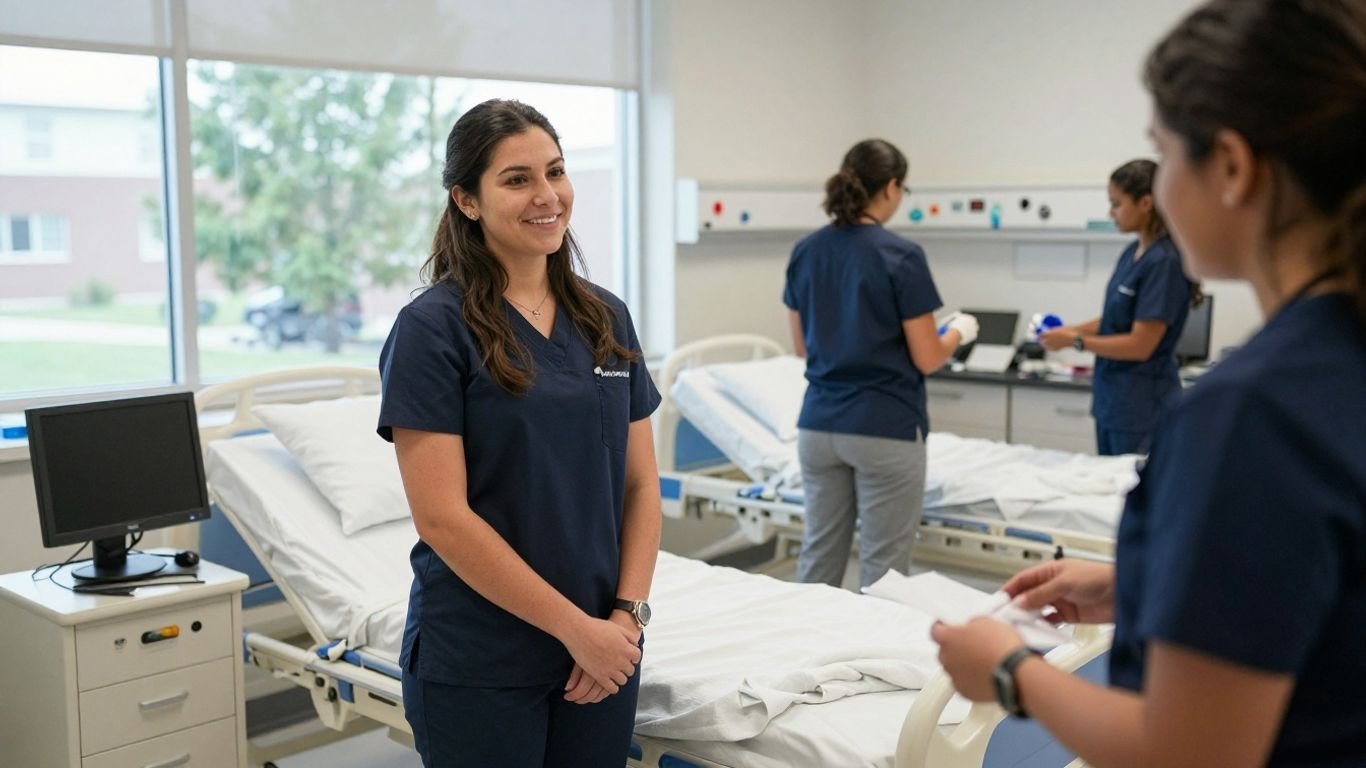
Many students prefer large institutions because they offer stability and direct pathways to state exams. These programs often integrate classroom work with simulated laboratory practice to prepare you for the realities of modern nursing.
Healthcare facility-based training programs
Some nursing homes and rehab centers offer on-the-job training, allowing you to learn while working alongside experienced staff. This approach often leads to immediate job offers within the same facility upon successful completion of your certification.
Nonprofit and workforce development partnerships
Organizations like the YWCA of Greater Baton Rouge serve as vital hubs for students needing both training and financial guidance. These partnerships often prioritize accessibility, providing low-cost or tuition-free options for those meeting specific criteria.
Factors to consider when selecting a training program
Finding a program that fits your life can feel overwhelming, but focusing on transparency is key. You need a program that balances rigorous academics with the flexibility required by an adult learner.
Analyzing program accreditation and state approval
Always verify that your school is recognized by the state board. Without proper accreditation, your hours will not count toward the certification requirement, meaning your efforts would be wasted despite your hard work.
Evaluating class schedules and course duration
Some students thrive in intensive, fast-track formats, while others prefer extended sessions. Many individuals find that cna classes baton rouge providers offer distinct scheduling styles to accommodate a variety of lifestyles.
Assessing laboratory facilities and simulated equipment
Practical application requires high-quality training tools. Here is how programs typically compare in their resource offerings:
| Feature | Excellent Program | Average Program |
|---|---|---|
| Bedside Mannequins | Full-size replicas | Basic dolls |
| Lab Hygiene Tools | Complete kits | Shared tools |
| Simulation Tech | Digital monitoring | Manual logs |
Access to modern equipment ensures you won’t be caught off guard when you finally transition to actual patient hospital equipment.
Reviewing student-to-instructor ratios
Small class sizes provide a significant advantage in this field. An optimal ratio ensures that you receive hands-on mentorship during every clinical lab, allowing instructors to correct your technique before you ever step foot inside a real hospital wing.
What to expect during your clinical rotations
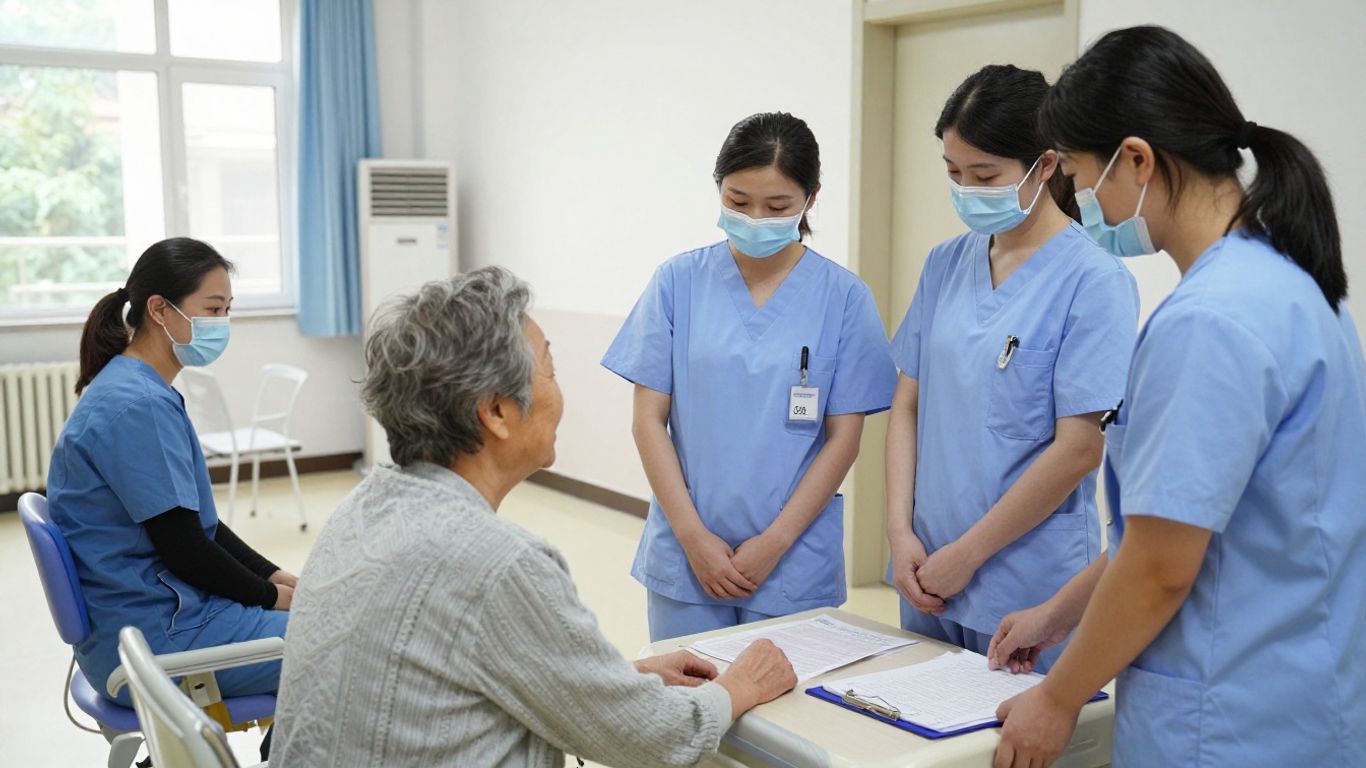
Clinical hours represent the most important phase of your growth, moving you from theory to actual patient care. Expect long days where you learn to balance compassion with strict medical protocols under the watchful eye of a licensed supervisor.
Coordinating clinical hours at local healthcare facilities
Your school will assign you to a partner facility to complete the mandatory clock hours. This process is time-sensitive, often requiring students to be available during standard daytime shifts regardless of their previous classroom schedule.
Practicing essential bedside care skills
During your time on the floor, you will perform many vital tasks including:
- Monitoring and recording vital signs such as blood pressure and pulse.
- Assisting patients with daily hygiene and personal care needs.
- Turning and positioning patients to prevent pressure injuries.
- Providing emotional support and observing patient mood changes.
These daily interactions build the foundational muscle memory required to succeed as a professional nursing assistant in high-pressure environments.
Meeting clinical supervision expectations
Instructors monitor your performance against a strict rubric. You must demonstrate that you can maintain sterile conditions at all times while documenting your clinical observations accurately in the patient folder.
Preparing for the Louisiana Nurse Aide Competency Examination
Passing the NNAAP, administered by The Heart Academy, is the final hurdle in your certification pursuit. You should begin testing your retention of the material at least three weeks before your scheduled exam date.
Scheduling the NNAAP exam
Registration typically opens once you have successfully completed your training hours. You must pay attention to the specific testing site location and show up early to ensure you meet all identification requirements.
Reviewing written test preparation materials
Practice multiple-choice questions that cover topics like resident rights and nutritional needs. Many students find that using official state flashcards helps them memorize the complex regulations they must follow on the job.
Developing a study plan for clinical skill demonstration
You will physically perform a variety of tasks in front of a proctor. Organize a study group or recruit a partner to observe your movements, ensuring you follow each step of the required checklist exactly as taught in class.
Financial aid and workforce development support in Baton Rouge
If the cost of tuition remains a barrier, remember that local resources are dedicated to helping qualified candidates enter the medical workforce. Dedicated programs exist to ensure that financial status does not prevent passionate students from joining the healthcare field.
Leveraging local workforce development grants
Regional agencies frequently provide grants for students entering high-demand professions. If you demonstrate a commitment to serving the elderly or the disabled, you may qualify for full tuition coverage and book stipends.
Exploring employer-sponsored training and tuition reimbursement
Some local private clinics offer to pay for your education in exchange for a short-term work contract. This is a common path that helps students graduate debt-free while securing their first job immediately upon finishing their training.
Navigating state-funded educational assistance programs
Louisiana offers several initiatives that assist low-income residents in accessing vocational education. By contacting a local career center, you can inquire about current financial aid opportunities intended for students starting their careers in nursing support.
Conclusion
Choosing the right path into nursing assistance requires diligence, but the local resources for training in Baton Rouge make the process achievable for dedicated individuals who want a meaningful career change. By carefully evaluating schools and applying for financial support, you can secure your future while developing the clinical expertise needed to keep patients comfortable and safe.
Frequently Asked Questions
How long does a typical CNA program take to complete?
A standard program usually spans between three to eight weeks of intensive study followed by clinical hours.
Do I need to be a high school graduate to enroll?
Yes, most state-approved CNA programs require applicants to have a high school diploma or a GED equivalent before enrollment.
Is the CNA state exam difficult to pass?
The exam is challenging because it requires you to retain wide-reaching safety protocols, but adequate preparation and clinical practice make it manageable for the average student.
Can I work while going through CNA training?
While some night or weekend programs exist, the intensive nature of the training can make balancing a full-time job difficult; consider flexible workforce programs if your calendar is packed.
What if I cannot afford the tuition for a program?
There are numerous options, including employer-sponsored tuition reimbursement and workforce development grants that cover the costs for qualified students.
Is there a high demand for CNA workers in Louisiana?
Yes, the demand for nursing assistants is consistently high across the state, making it a stable and rewarding career choice with reliable job growth.
Can I take my CNA classes entirely online?
While some theory work may be online, state regulations require in-person clinical hours at a healthcare facility, so you cannot complete the entire program exclusively through an online platform.