Key Takeaways
Choosing among cna schools oahu applicants can find means looking past a low advertised price or a convenient start date. The strongest comparison considers approval, clinical preparation, total cost, support, and the path to certification.
- Confirm that the program is currently approved and leads to exam eligibility.
- Compare classroom, laboratory, and supervised clinical training hours.
- Add books, uniforms, supplies, transportation, and testing costs to tuition.
- Ask about instructors, attendance rules, tutoring, clinical sites, and job support.
- Choose a schedule and learning environment you can realistically complete.
Understand CNA training requirements in Hawaii
Hawaii CNA training has several moving parts, and requirements can change as agencies update procedures. Before paying a deposit, verify the current rules with the program and the appropriate state office. A useful starting point is this Hawaii CNA certification guide, which explains approval, training hours, and the competency exam. Treat every school’s current enrollment materials as the final word on dates, documents, and fees.
State-approved education and clinical standards
A legitimate program should clearly identify its state approval and explain how its curriculum prepares students for nurse aide duties. Look for instruction in safety, infection prevention, communication, personal care, mobility, and respectful interaction with patients. Approval is more than a marketing phrase: ask who grants it, when it was last confirmed, and whether the approval applies to the specific cohort you plan to join.
A school should also explain where supervised clinical experience occurs and how students are evaluated. The Oahu CNA program comparison guide is useful for reviewing approval, instructor qualifications, lab practice, clinical experience, and student support in one framework.
Classroom, laboratory, and clinical hour expectations
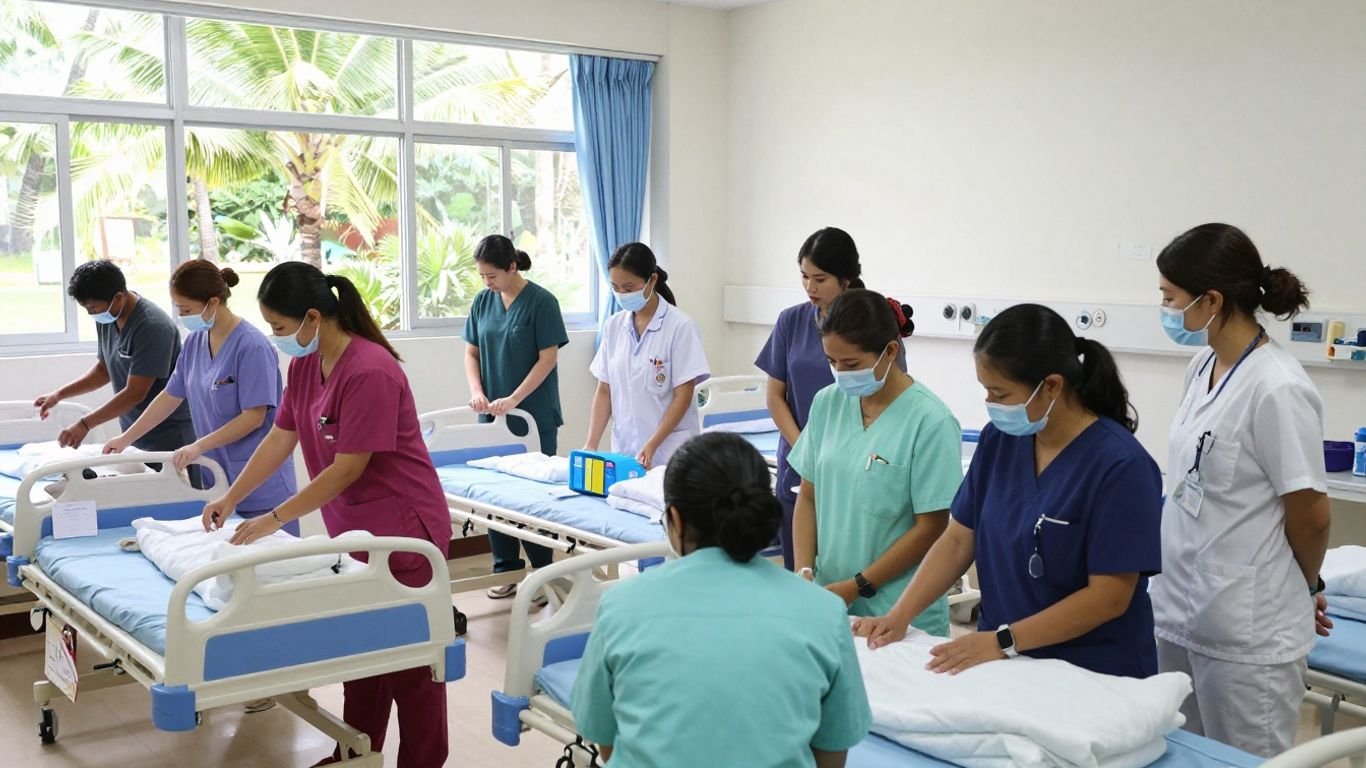
Training normally combines classroom lessons, laboratory practice, and supervised clinical work. Those parts serve different purposes: classroom time builds understanding, the lab allows repeated practice, and clinical placement requires students to apply skills around real patients under supervision. Ask for a written breakdown rather than relying on a single total-hour figure.
For example, Windward Community College describes a 14-week course with 106 classroom hours and 39 supervised clinical hours, along with CPR/BLS training and exam preparation. That kind of detail makes it easier to compare the structure of one program with another. If a school advertises an accelerated format, confirm that hands-on requirements are still fully covered.
Eligibility requirements for CNA applicants
Admission rules vary, so collect the details before you apply. Programs may ask for education records, an information-session attendance record, health documentation, immunizations, a background check, or an assessment. Some may have limited seating and review applicants in a particular order.
Ask whether prerequisites must be completed before registration or submitted after an information session. Also check whether a past conviction, incomplete health record, or scheduling conflict could affect clinical placement. Addressing those questions early is less stressful than discovering a barrier after paying tuition.
The certification exam and application process
Your program should explain how training connects to Hawaii’s certification process, including application steps, required documentation, testing arrangements, and retesting rules. Ask whether the school helps students submit paperwork or simply provides a completion record. You should also know what happens if you finish classes but do not pass the first attempt.
Request recent, clearly defined pass-rate information if the school publishes it. A number without a time period, graduating cohort, or explanation of who was tested is difficult to interpret. The goal is not a promise of success; it is a transparent picture of preparation and support.
Compare CNA schools on Oahu
Oahu offers different kinds of training providers, from community colleges to private career schools and healthcare organizations. Their schedules, admission rules, facilities, and student services may be quite different even when they lead toward the same credential. Compare the learning experience, not just the school name. Visiting an information session can reveal more than a polished course page.

Community colleges and career training providers
Community colleges may offer structured cohorts, established student services, and academic pathways, while private providers may emphasize shorter schedules or more frequent starts. Neither format is automatically better. Consider whether you need advising, tutoring, transportation help, or a faster route into entry-level work.
For a concrete example of the information to gather, Kapi’olani Community College describes a mandatory information session, prerequisite documentation, limited seating, tuition, and included textbooks. Use that level of specificity when comparing any provider, without assuming another school has the same policies.
Program accreditation and state approval
Ask the admissions representative to show you the current approval information, not merely a general statement that the school is “certified.” Confirm the program name, location, approval period, and whether graduates are eligible for the Hawaii competency exam. If a school cannot answer those questions directly, pause before enrolling.
Approval should also match the actual delivery model. A program that recently changed locations, schedules, or clinical partners may need updated documentation. Keep copies of the approval details and enrollment agreement for your records.
Class formats, schedules, and campus locations
A schedule can look manageable until commuting, work, family care, and clinical hours are added. Ask whether lectures are in person, online, or hybrid, and identify which activities must happen on campus. Clinical shifts may have different start times from classroom sessions, so request a full calendar before making a decision.
Transportation deserves practical attention on Oahu. Find out where the lab and clinical site are located, whether students arrange their own travel, and how much notice you receive about placement. A slightly longer program near reliable transportation may be more workable than a shorter one with difficult travel.
Cohort size and instructor support
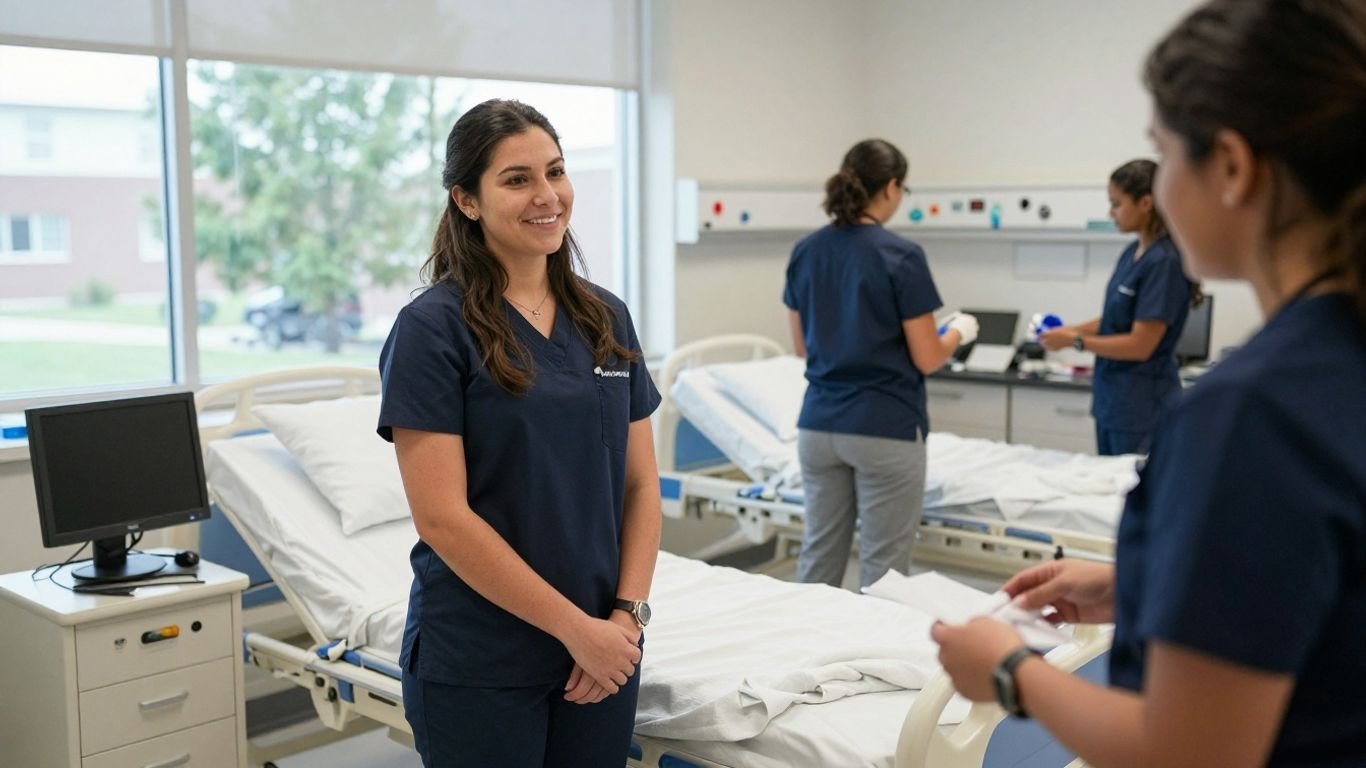
Small groups can make it easier to ask questions and receive feedback during skills practice, but cohort size alone does not guarantee good instruction. Ask how many students attend each lab session, how instructors observe competency, and whether students can book additional practice time. Also ask who teaches the clinical portion and how concerns are handled.
The best answer is specific: named instructional roles, office hours, feedback methods, and a clear escalation process. Those details show whether support is built into the program or left to individual students to arrange.
Evaluate program cost and financial aid
Tuition is only one part of the financial decision. A program can advertise a low price and still become expensive after uniforms, supplies, transportation, missed work, and exam fees are included. Build a complete estimate before comparing schools. This is where a simple worksheet can prevent surprises.
Tuition, fees, books, uniforms, and supplies
Request an itemized cost sheet that separates tuition from registration fees, books, uniforms, shoes, equipment, CPR or BLS charges, health screening, background checks, and testing expenses. Ask which items are included and which must be purchased independently. Clarify refund deadlines too, since a change in circumstances can otherwise leave you responsible for fees.
Use the same categories for every school. The advertised number matters less than the amount you must have available before clinical training begins and before the certification exam is scheduled.
Payment plans and available financial aid
Ask whether the school offers installment payments, scholarships, grants, or referrals to outside funding. Find out when each payment is due and whether a payment plan carries an enrollment or administrative fee. If financial aid is limited to certain programs or eligibility groups, get those conditions in writing.
Do not assume that “financial assistance available” means the full cost will be covered. Compare the amount, timing, application process, and consequences of withdrawing from the program.
Employer-sponsored and workforce funding options
Healthcare employers sometimes support entry-level training, while workforce agencies may have funding for eligible job seekers. Contact these organizations early because approvals can take time and may require income, residency, employment, or career-plan documentation. Ask whether funding pays the school directly or reimburses you later.
Also check whether an employer-sponsored option includes a work commitment, a required schedule, or repayment terms. Those conditions may be reasonable, but they should be understood before enrollment.
Comparing total cost rather than advertised tuition
A side-by-side budget makes hidden differences visible. Include both direct charges and the costs created by the program’s schedule, such as travel and reduced work hours. A simple comparison might look like this:
| Cost category | School A | School B | Question to ask |
|---|---|---|---|
| Tuition and registration | $— | $— | What is required to reserve a seat? |
| Books, uniform, and supplies | $— | $— | Which items are included? |
| Health, background, and exam costs | $— | $— | Are these paid to the school or separately? |
| Transportation and missed work | $— | $— | How often must I travel to class or clinicals? |
After filling in the blanks, compare the total you can realistically afford, not simply the largest number on a brochure. Total cost clarity can be the difference between starting confidently and stopping midway.
Look at hands-on training and student support
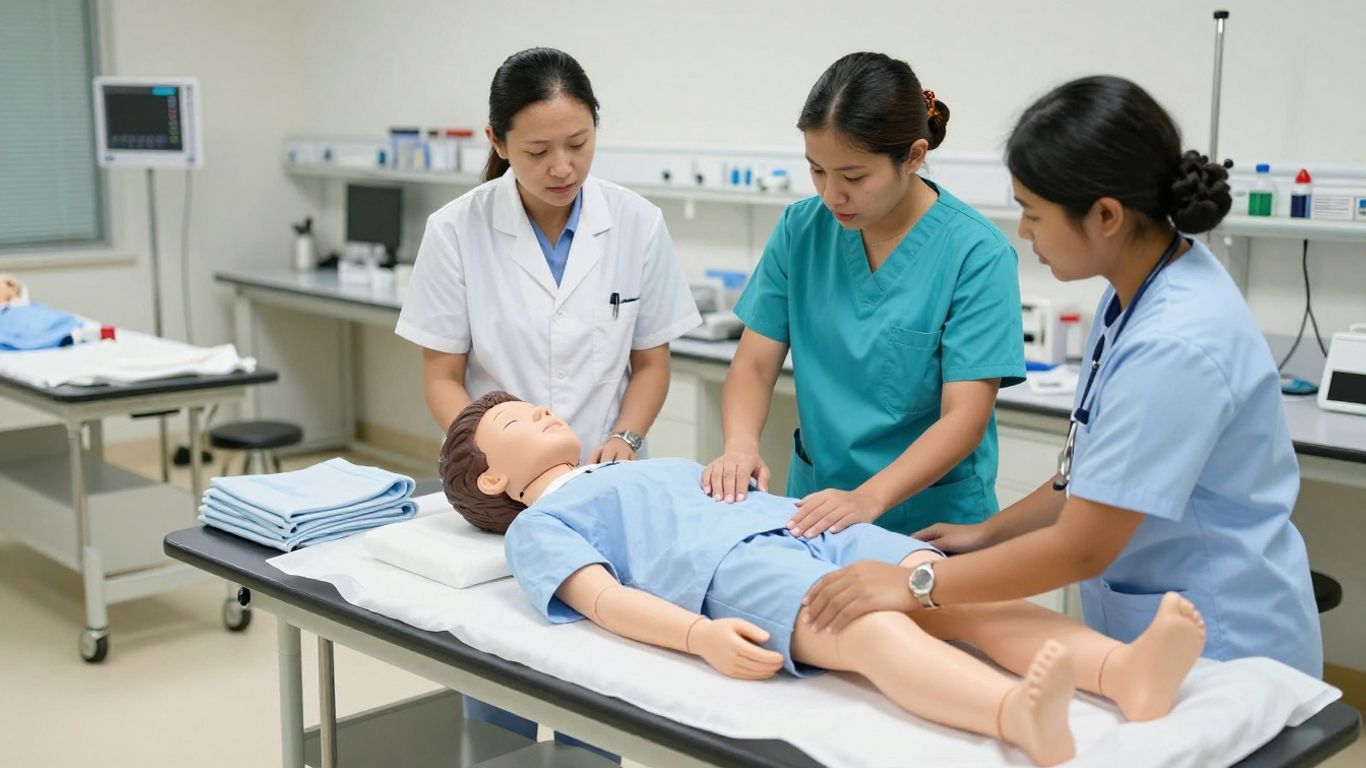
CNA work is practical, so a program should give you repeated opportunities to perform skills safely and receive correction. Ask how students move from demonstration to independent practice and then to supervised clinical care. Support also includes academic help, communication from staff, and reasonable procedures when life interrupts attendance.
Clinical partnerships with local healthcare facilities
A school should explain how clinical placements are arranged, what types of facilities students may enter, and whether transportation is your responsibility. Ask when placement information is provided and what happens if a site becomes unavailable. Clinical experience should be supervised and connected to the skills taught in class.
Do not accept vague assurances that placements are “available.” Ask whether students have ever had their clinical start delayed and how the school communicates changes. Clear answers help you plan work and family responsibilities.
Skills practice before clinical placement
Before entering a facility, you should have time to practice core tasks in a lab. Ask how often students use equipment, whether practice groups are large, and how competency is checked. It is reasonable to ask what happens if you need another attempt before moving forward.
A well-organized sequence reduces pressure: explanation, demonstration, practice, feedback, and evaluation. If most learning is self-directed, find out what instructor access is available when you are unsure.
Academic tutoring and exam preparation
Ask whether the program provides study sessions, practice questions, skills reviews, or individual tutoring. Find out when exam preparation begins and whether it covers both written and skills portions. A school should be able to describe its support without promising that every student will pass.
You can also ask graduates how they prepared and whether instructors remained available after the final class. Consistent follow-up is especially helpful for students balancing work with exam preparation.
Attendance policies and make-up options
CNA programs often depend on group practice and scheduled clinical placements, so attendance rules may be strict. Read the policy for absences, tardiness, illness, missed clinical hours, and required make-up work. Ask whether a missed session can be repeated and whether a make-up creates an additional charge.
Before enrolling, compare the calendar with your obligations. A program that fits your actual life is more useful than one that looks ideal on paper but leaves no room for an unavoidable emergency.
Consider career outcomes after graduation
Training is the beginning of the decision, not the end. Ask how the program measures completion, exam readiness, and employment support. Outcomes should be presented as historical information rather than guarantees. Your own attendance, preparation, certification result, and job search will still matter.
Pass rates for the state certification exam
Request pass rates for recent cohorts and ask how the school calculates them. A useful report identifies the testing period and distinguishes first-time results from cumulative results. If the school does not publish a rate, ask whether it can provide a general explanation of exam preparation and retesting support.
Be cautious with unusually broad claims. A pass rate is meaningful only when you understand the group it describes and whether all enrolled students were included.
Job placement support and employer connections
Find out whether staff review resumes, practice interviews, share openings, or connect graduates with local employers. Ask whether placement assistance continues after graduation and whether the school tracks employment outcomes. These services can shorten the search, but they do not replace your responsibility to apply and interview.
It is also useful to ask what kinds of positions recent graduates pursued. That answer may reveal whether the program’s network matches your preferred work setting.
Common CNA work settings on Oahu
CNAs may explore long-term care, assisted living, home care, rehabilitation, and hospital-related support roles, depending on employer requirements and their certification status. Each setting can involve a different pace, patient population, schedule, and level of teamwork. Ask programs and employers what entry-level openings are most common locally.
Consider which environment suits your strengths. Someone who values continuity with residents may prefer one setting, while another person may want a faster clinical rhythm or broader exposure.
Opportunities for experience and career advancement
A CNA role can provide practical healthcare experience and help you decide whether to pursue additional education. Ask about employer tuition support, internal advancement, and opportunities to build experience in different departments or care settings. Advancement is not automatic, but a first role can clarify your next step.
Choose a program that supports your immediate certification goal while leaving room for longer-term plans. The right fit may be the one that helps you become employable without closing off future education.
Choose the program that fits your goals
By this stage, you should be able to compare programs using evidence rather than impressions. Recheck approval, schedule, clinical details, total cost, and support in the same order for each school. The CNA selection checklist can help organize questions about curriculum, instructors, hands-on practice, costs, and outcomes. Then narrow the list to programs you can realistically attend and complete.
Questions to ask during an information session
Bring written questions and record the answers. Ask who teaches the course, how many students share a lab, where clinicals occur, what costs are excluded, and how the school supports exam applications. Also ask what happens if the cohort changes dates or if you miss a required session.
You may find it helpful to ask these additional questions:
- What current approval document can I review?
- Which costs must I pay before the first class?
- How are clinical placements assigned and communicated?
- What tutoring or make-up options are available?
The quality of the answers matters as much as the answers themselves. Direct, specific responses usually make comparison easier than enthusiastic but general promises.
How to verify current program approval
Use the relevant Hawaii state resources and ask the school for its current approval information. Check that the document applies to the exact program, campus, and delivery format you are considering. If online information conflicts with the admissions office, pause and resolve the discrepancy before submitting payment.
Keep copies of the catalog, enrollment agreement, cost sheet, schedule, and approval information. These records give you a clear reference if details change later.
Warning signs of a poor-quality training provider
Be cautious if a provider avoids questions about approval, refuses to itemize costs, promises guaranteed employment, or cannot explain clinical placement. Other warning signs include pressure to pay immediately, unclear refund rules, outdated websites, and a schedule that omits hands-on practice. A polished advertisement cannot substitute for verifiable program details.
Search results can also become noisy. A page about a Hawaii real estate guide, servant leadership center, hemp lighting cable, Cysticure protocol, or car shipping guide may appear beside healthcare results without being relevant to CNA training. Check the source and topic before treating any online page as evidence about a school.
A practical checklist for comparing CNA schools Oahu options
Before choosing, place each program’s information in one document and compare like with like. This local CNA classes guide offers another useful way to review approval, hours, prerequisites, costs, clinical training, and exam eligibility. You can then make a decision based on your own schedule and resources.
A final review should cover four areas: certification eligibility, learning quality, affordability, and practical fit. If a program is strong in three areas but impossible for you to attend consistently, it may not be the right choice.
Conclusion
The right CNA program on Oahu is the one that is approved, transparent, hands-on, financially manageable, and compatible with your life. Compare written details, ask direct questions, and verify current information before enrolling so your training decision supports both certification and your first step into healthcare.
Frequently Asked Questions
How long does CNA training in Hawaii take?
Program length varies by schedule and provider. Compare the total classroom, laboratory, and clinical hours rather than judging a course only by the number of weeks.
What should I bring to a CNA information session?
Bring questions about approval, prerequisites, costs, clinical placement, attendance, exam preparation, and job support. If requested, ask which documents you should prepare for admission.
Are online CNA programs enough for certification?
Online coursework may cover some lessons, but CNA preparation also requires laboratory practice and supervised clinical experience. Confirm exactly which parts are in person and whether the format meets current state requirements.
What costs should I budget beyond tuition?
Plan for registration, books, uniforms, shoes, supplies, health screening, background checks, transportation, missed work, and certification-related expenses. Ask the school for a complete itemized estimate.
How can I check whether a CNA school is approved?
Ask the provider for current approval information and verify it with the appropriate Hawaii state resources. Confirm that the approval covers the exact program and location you intend to attend.
Do CNA schools help graduates find jobs?
Some programs offer resume reviews, interview preparation, employer referrals, or job listings. Ask what support is provided, how long it continues, and whether employment outcomes are tracked.
What if I miss a class or clinical day?
Read the attendance and make-up policy before enrolling. Clinical hours may be especially difficult to replace, and some programs may charge for make-up sessions or require you to join a later cohort.